
Free Estimate
888-698-1958
Call for Priority Scheduling
888-698-1958
Call for Priority Scheduling
Book Online
Homes in Harrison, TN face frequent basement moisture issues due to the region’s heavy rain and soil composition. Learn how '58 Foundations & Waterproofing can help protect your home with expert drainage, sump pump, and humidity control solutions tailored to your local conditions.
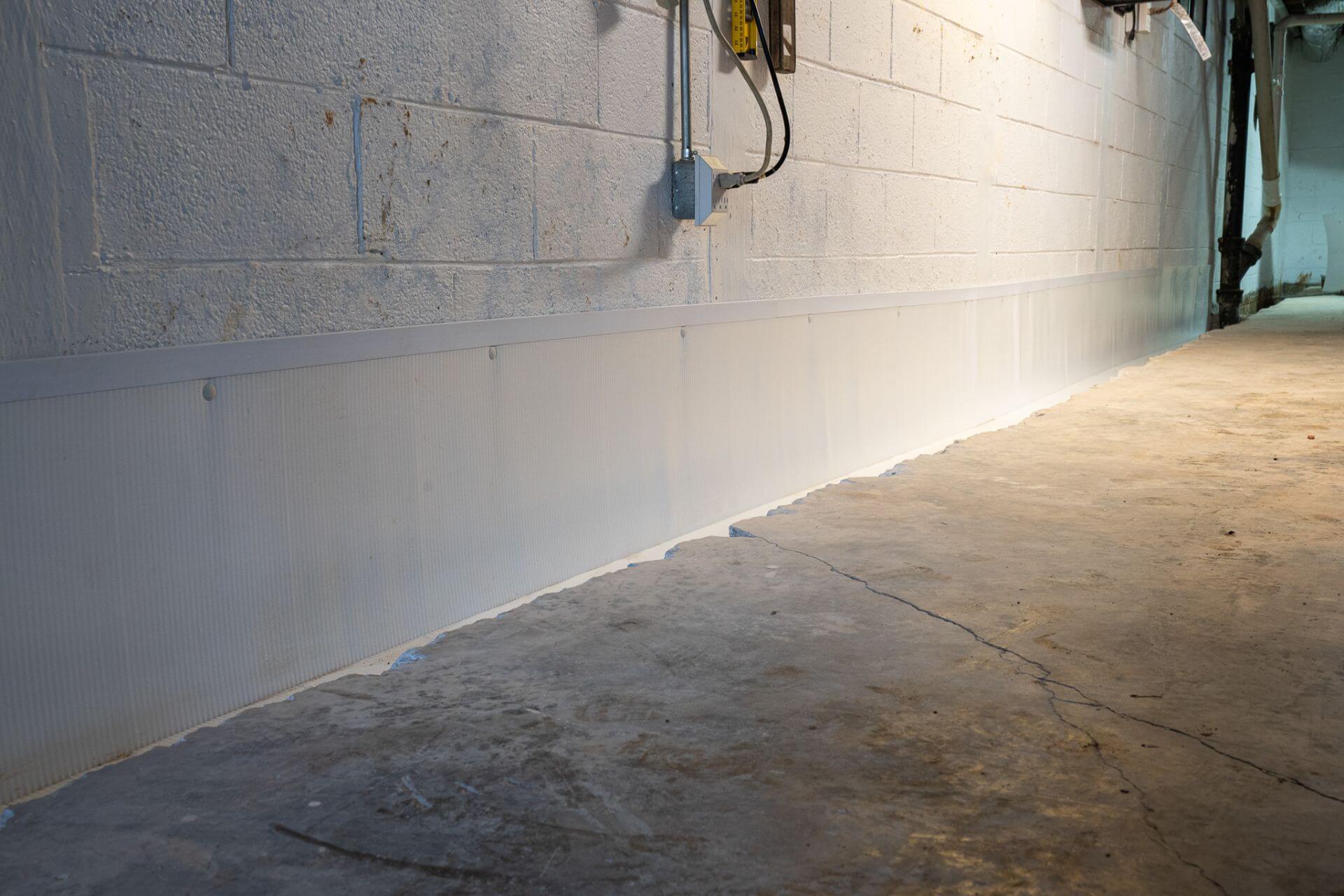





Harrison sits along the eastern shore of Chickamauga Lake, and that proximity shapes what happens beneath homes here in ways that rainfall alone doesn't explain. The lake level rises and falls on a TVA schedule, and the water table in the surrounding soil follows. Basements throughout Harrison deal with seepage, standing water, mold, and walls that show the effects of ground that rarely stays dry for long, and those problems don't resolve without intervention.
'58 Foundations & Waterproofing has been doing this work since 1958. Our Certified Foundation Specialists handle everything from interior drainage and sump pump systems to vapor barriers and humidity control, and every inspection comes free with a written estimate.
Chickamauga Lake is the defining factor for basement water problems in Harrison. TVA manages the lake on a seasonal schedule, raising it through spring and summer and drawing it down in fall and winter. The soil around foundations in this community doesn't behave like soil in a typical inland neighborhood. It responds to the lake. When water levels are high, the water table follows, and homes close to the shoreline or near Wolftever Creek feel that pressure against their foundation walls consistently, rather than just after storms.
The red clay soil throughout Hamilton County compounds the problem. Clay absorbs water slowly and releases it even more slowly, which means the ground around a foundation stays saturated well after a rain event or a seasonal lake rise has passed. That sustained pressure finds its way through porous concrete, mortar joints, and any crack that has developed over time.
Sloped lots add a third variable. Many Harrison homes are built on grades that put them in the path of surface runoff moving toward the lake. When that runoff collects against the foundation rather than draining past it, it loads the soil on one or more sides and increases the pressure differential the basement wall has to resist.
Living close to Chickamauga Lake means basements here are working against a water table that shifts with the seasons, not just with the weather. Some of what shows up gets dismissed as a lake community quirk. Most of it shouldn't be.
Reddish brown streaking around a pipe penetration, a floor drain rim, or the base of a metal support post means that spot has been wet more times than you've noticed. It builds up gradually and tends to be more widespread by the time it gets attention. Learn more about rust stains in the basement.
A finished basement wall that has been taking on moisture will eventually show it. The tape along a seam may begin to bubble, the bottom edge of the board can feel dense and slightly swollen, or the paint above the baseboard starts to lift in a thin band. None of it firms back up once it gets to that point. Learn more about water-damaged drywall.
Discoloration that keeps returning to the same spot on a floor or wall after wet periods, even when the basement looks dry in between, means water is finding a consistent path in. The stain itself is just what gets left behind when it evaporates. Learn more about water stains in the basement.
A damp basement draws termites. What they leave behind includes wood that sounds hollow when tapped, thin mud tubes climbing a masonry wall, and small deposits of fine material near wood framing that don't look like ordinary dust or debris. Learn more about termite damage.
Mold in a Harrison basement often starts where things don't get looked at regularly. The underside of a shelf, the back of stored boxes sitting against the wall, or along wood framing that never quite dries out between wet seasons. The smell usually arrives well before anything visible does. Learn more about basement mold.
Efflorescence is the white chalky powder that forms on concrete or block walls when water carries dissolved minerals through the surface and leaves them behind as it evaporates. It scrubs off, but it comes back in the same place because the water driving it through the wall hasn't stopped. Learn more about efflorescence.
A smell that hits you at the top of the stairs before you reach the basement floor, or one that intensifies after several consecutive wet days, is coming from moisture in the building materials, not from stale air. It won't clear up by running a fan. Learn more about musty odors in the basement.
A crack with a white mineral trail running down from it has been wet enough, long enough, to leave that record. One that shows a damp halo after rain or feels cool to the touch when the rest of the wall doesn't is conducting water under pressure from outside. Learn more about leaking cracks.
A horizontal crack running the length of a block wall, a floor crack where one edge sits higher than the other, or a diagonal crack spreading outward from a corner are all signs of movement in the foundation. On sloped lakefront lots where clay soil loads the uphill side, that kind of pressure builds gradually, and the cracks tend to follow. Learn more about floor and wall cracks.
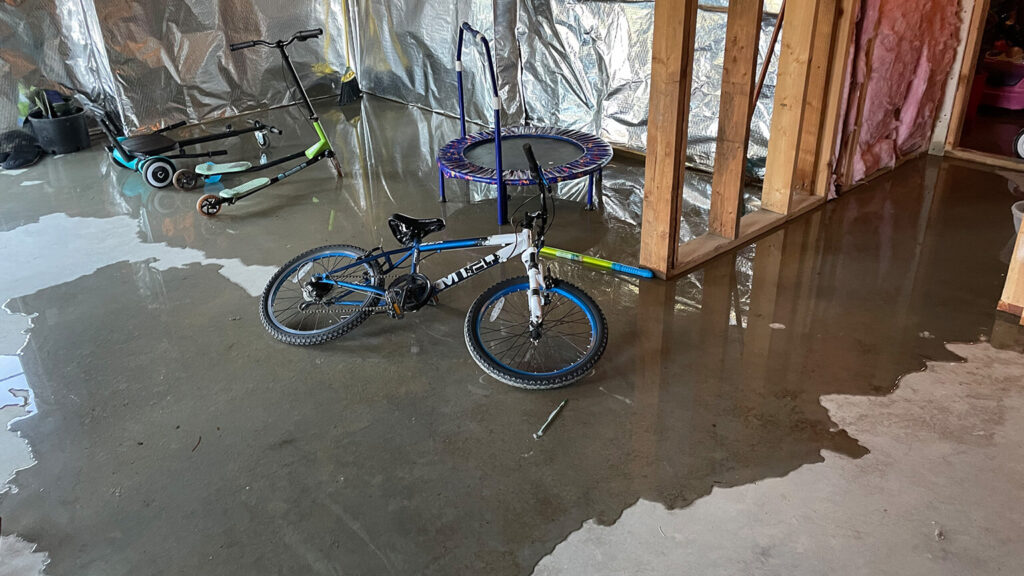
'58 Foundations & Waterproofing has served homeowners in the Harrison area since 1958. Every system we recommend comes out of what the inspection finds. These are the basement waterproofing services we install most often in this area.
Standing water and seeping walls both point to the same need: a way to collect water before it spreads across the basement floor. Channel 58 interior drainage is a perimeter drain system installed along the inside base of the foundation walls. It captures water as it enters and channels it directly to the sump pit.
A sump pump removes water from the pit and discharges it safely away from the home. Our Workhorse pump is built for high volume and continuous use. The Workhorse OT battery backup ensures the system keeps running through a power outage without any action needed from the homeowner.
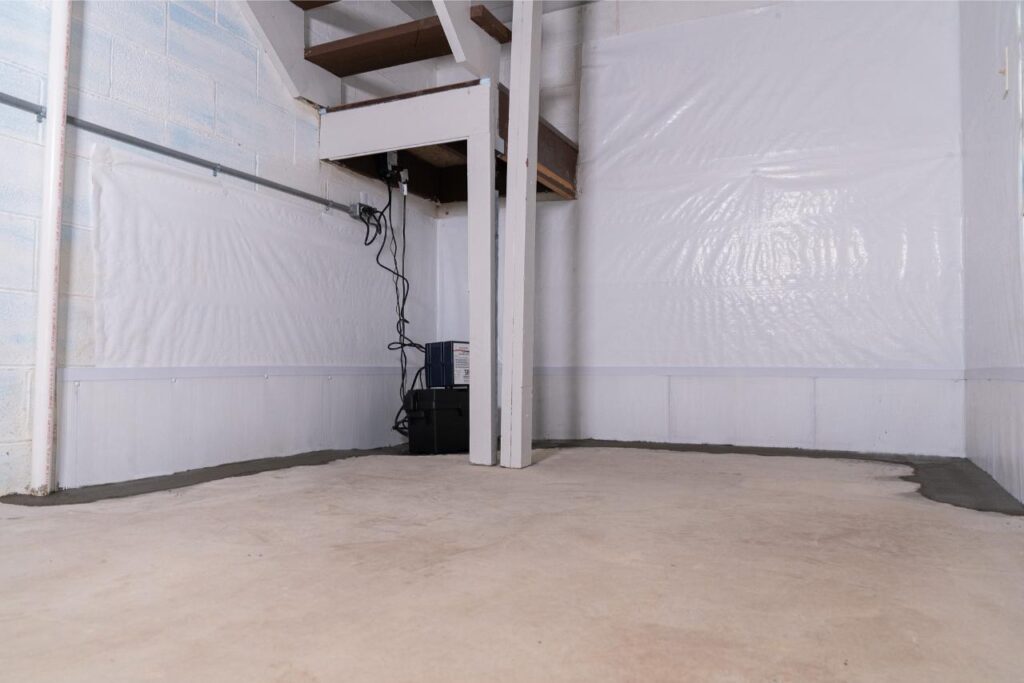
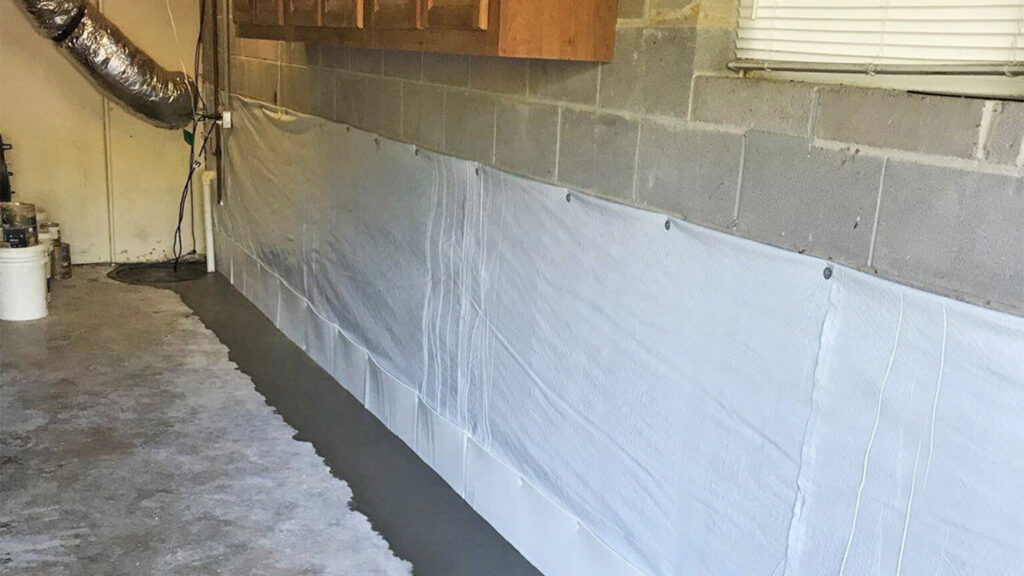
Waterproof wall membranes and vapor barriers are applied directly to interior foundation walls to stop moisture from coming through the concrete or block surface. Any water that does penetrate is directed into the drainage system rather than into the living space.
A basement dehumidifier controls the moisture level in the air after active water intrusion has been addressed. Our HumidiGuard unit runs continuously and is sized for the sustained humidity loads that below-grade spaces carry through warm months.
Exterior drainage systems manage surface water before it reaches the foundation. When grading or runoff patterns direct water toward the home, correcting that at the surface reduces the load on everything installed inside.
Mold remediation is handled before waterproofing installation begins when the inspection finds active growth. We remove the mold, treat affected surfaces, and clear the space so the waterproofing system starts with a clean baseline.
Our Life-of-the-Structure Warranty backs every system we install. Learn more about our Basement Waterproofing services.»
A sump pump system works as a unit. Channel 58, our interior perimeter drainage system, collects water as it enters along the foundation walls and floor and routes it to the sump pit. The pump clears the pit and discharges water away from the home through an underground line. The drainage system and the pump depend on each other, and a gap in either one affects the whole.
Pit placement, discharge line routing, and pump capacity all affect how the system performs when conditions are at their worst. A discharge line that terminates too close to the foundation sends water back into the same soil the system just pulled it from. A pump undersized for the volume the home sees during a sustained storm will run continuously and burn out before the event is over. Our Certified Foundation Specialists configure the system based on what the inspection finds in each specific home.
The Workhorse OT battery backup runs on a marine-grade battery and activates automatically the moment grid power fails. For a home where the water table can stay elevated for days at a stretch, that automatic continuity keeps the system working through conditions that would otherwise leave the pit to fill on its own.
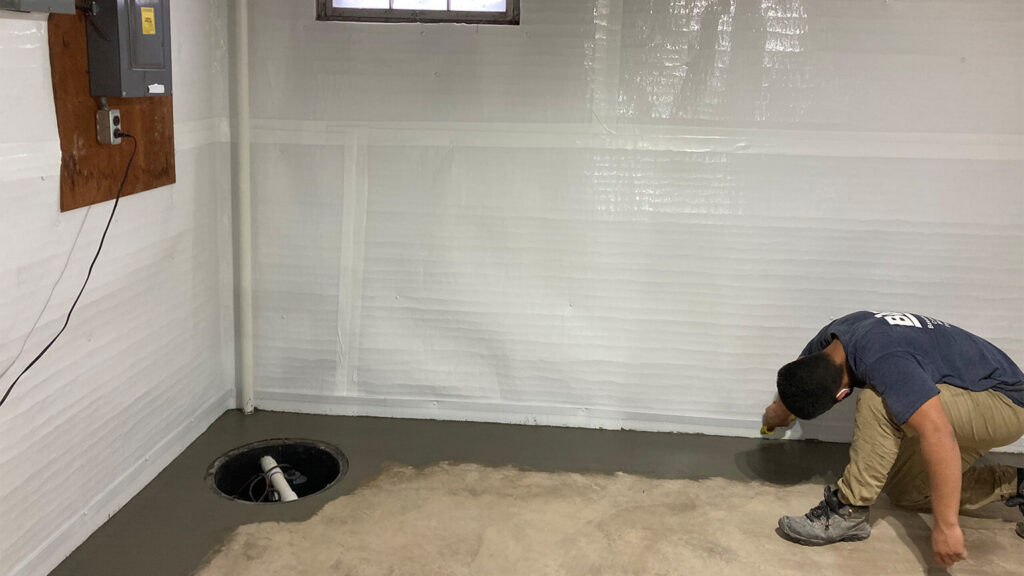
Basement waterproofing costs vary because what's driving the problem varies. A damp smell with no visible water, a wall that weeps after rain, and a floor that stays wet for days after a storm can all be traced back to different sources that each require a different response. Until someone has looked at the space, there's no reliable way to know what the work actually involves.
Some projects address a single entry point. Others require drainage along the full foundation perimeter, humidity control, or mold remediation before installation can begin. The inspection determines which.
Here is what shapes the scope and cost of a waterproofing project:
What You Can Expect
'58 Foundations & Waterproofing provides free inspections with written estimates. Your Certified Foundation Specialist will go through the basement, identify the source of the moisture, and walk you through exactly what the work involves before anything is scheduled.
Homeowners in Harrison hire us because basement water problems here aren't straightforward, and they want someone who will figure out what's actually going on rather than sell them the same package they give everyone else. '58 Foundations & Waterproofing has been working in the Chattanooga area since 1958, and our Certified Foundation Specialists take the time to go through the space, explain what they find, and recommend only what the home needs. The crews who do the installation are our own employees, not subcontractors.
We've earned the BBB Torch Award for Ethics four times across three regions in three years, and This Old House has recognized us as the most experienced company in the industry. Every system we install is backed by our Life-of-the-Structure Warranty.

Mold spreads. Soft drywall doesn't firm back up. A crack that lets water through this season will let more through the next. Whatever is happening in your basement right now will not improve on its own, and the longer it goes without attention, the more of the home it works its way into.
'58 Foundations & Waterproofing offers free inspections with written estimates throughout Harrison and the surrounding area. A Certified Foundation Specialist will assess your basement, identify what's driving the problem, and give you a straight answer about what it will take to fix it.
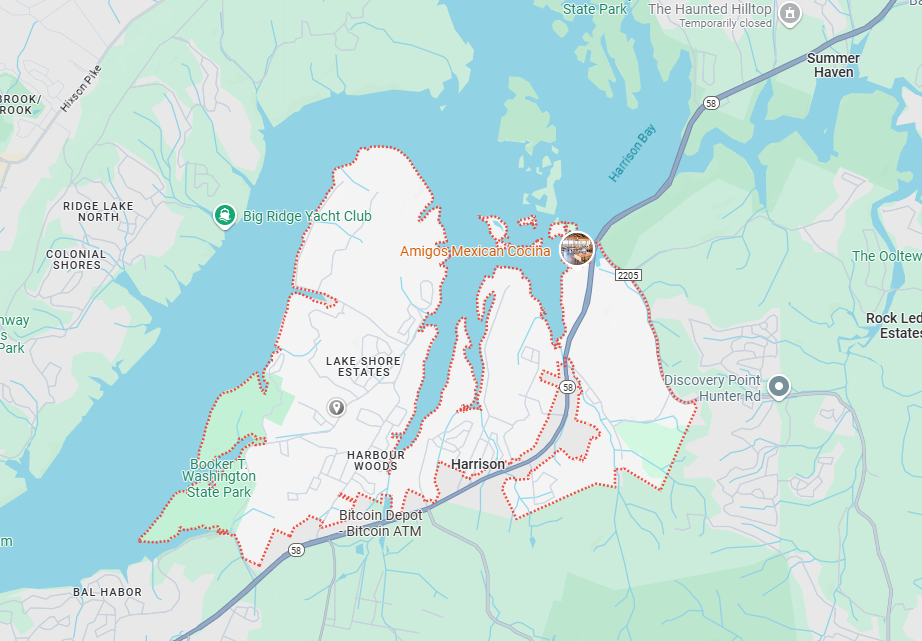
Harrison, TN Foundation Repair
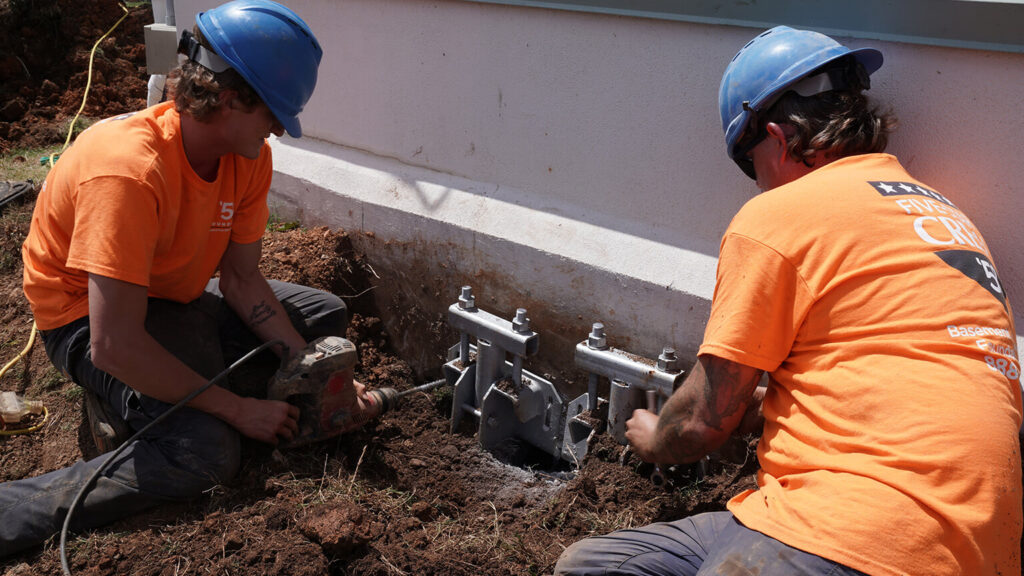
Harrison Crawl Space Encapsulation
We respect your privacy. By submitting, you authorize '58 Foundations and Waterproofing to reach you via call, email or text for information about your project needs. We will never share your personal information with third parties for marketing purposes. You can opt out at any time. Message/data rates may apply. Consent is not a condition of purchase. Privacy Policy