
Free Estimate
888-698-1958
Call for Priority Scheduling
888-698-1958
Call for Priority Scheduling
Book Online
Foundation problems in Harrison are often caused by shifting clay soil and poor drainage. Learn how '58 Foundations & Waterproofing uses piers, wall anchors, and expert structural solutions to stabilize your home and stop damage before it spreads.
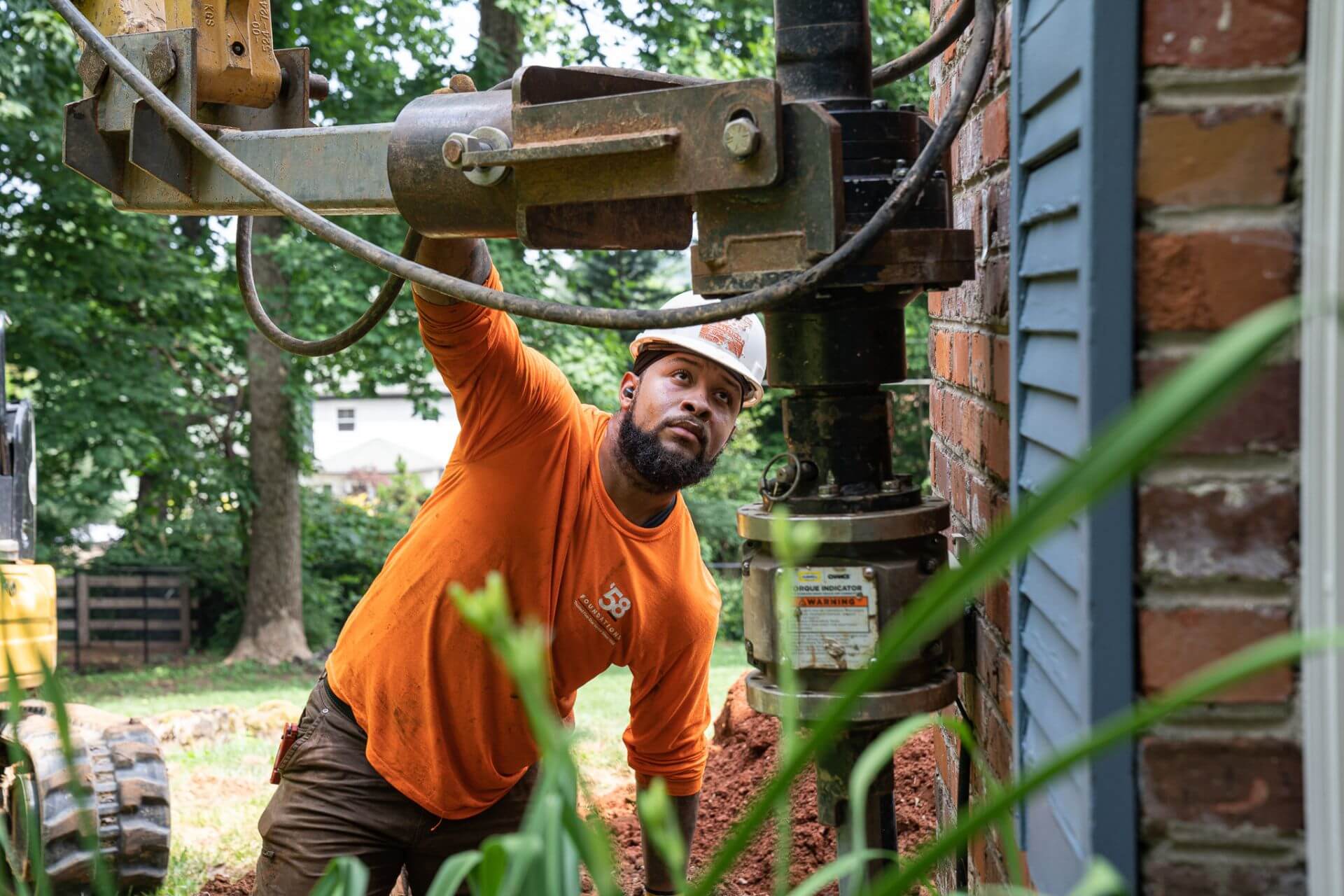





Cracks in your foundation walls, floors that have started to slope, and a crawl space that stays wet no matter the season. These are the signs that bring Harrison homeowners to '58 Foundations & Waterproofing, and they are more common here than most people realize. Harrison's proximity to Chickamauga Lake creates water table conditions that affect near-shore foundations year-round, and the area's older rural homes have been dealing with unmanaged drainage and shifting soil for decades. We know what drives foundation damage in Harrison, and we know how to stop it.
'58 Foundations & Waterproofing has been repairing foundations across the Chattanooga region for over 60 years. Our Certified Foundation Specialists diagnose the actual cause of the damage before recommending anything, and every repair we install is backed by our Life-of-the-Structure Warranty.
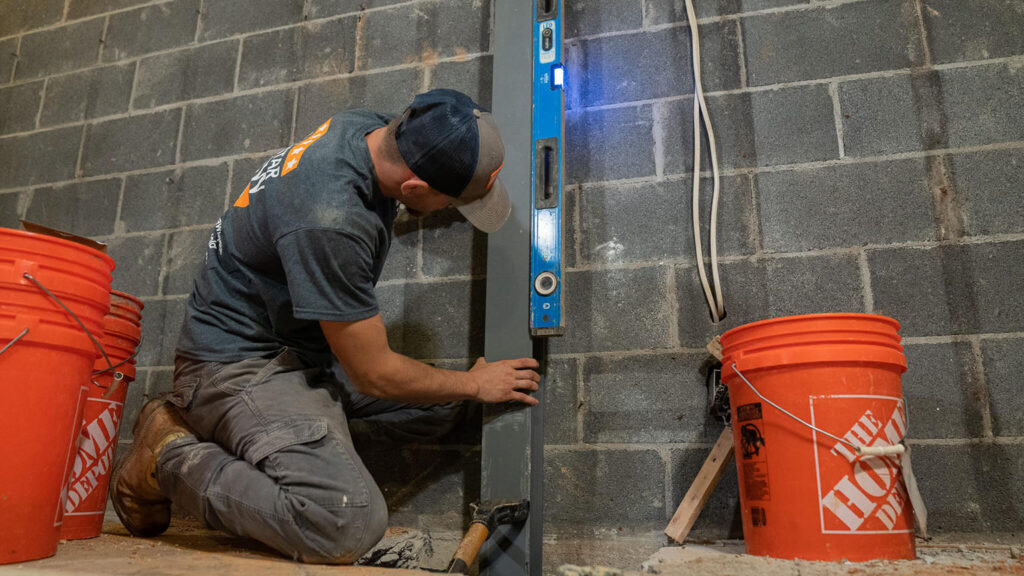
Harrison's foundation problems come from two distinct sources, depending on where the home sits.
Homes near Chickamauga Lake sit on alluvial soils deposited by the original Tennessee River before the TVA built the dam in 1940. These soils compact unevenly and hold moisture differently than the upland clay found further inland. When the reservoir level rises seasonally, the water table in near-shore neighborhoods rises with it, putting upward and lateral pressure on foundations from below. This is not a drainage problem that better gutters will solve. It is a geological condition that affects how the foundation behaves year-round.
Further from the lake, Harrison's older rural properties sit on the expansive clay typical of the Ridge and Valley terrain. The problem with these lots is less about the lake and more about decades of unmanaged surface drainage. Yards that slope toward the house, mature trees pulling moisture unevenly from the soil, gutters draining against the foundation rather than away from it. These conditions do not cause dramatic, sudden damage. They cause the kind of slow cumulative settlement that homeowners adjust to without realizing how far it has progressed.
The warning signs in Harrison tend to reflect which part of town the home sits in. Near-shore properties along Chickamauga Lake show up differently than older rural homes further inland. Either way, catching the movement early matters.
Foundation walls leaning inward or showing horizontal cracking are under active lateral pressure from saturated soil outside. In Harrison's near-shore neighborhoods, that pressure builds with the reservoir and does not fully release between seasons. A wall that has moved an inch is a manageable repair. A wall that has moved three inches is a different conversation entirely.
A floor that has drifted out of level, or feels soft in a consistent spot, usually points to a compromised crawl space structure beneath it. In Harrison's older rural homes, this kind of movement has often been building for years before it becomes noticeable enough to act on. What feels like a minor slope to the homeowner frequently represents significant structural loss below the floor.
A door that jams closed and drags when opening it, or a window with a visible gap along one side of the frame, reflects the structure above, responding to movement at the footing level. This is often the first sign homeowners notice before they connect it to the foundation.
Diagonal cracks at door and window corners, or nail heads working their way back through drywall, mean the framing above is twisting as the foundation shifts below it. These interior signs often appear before any crack shows up in the foundation wall itself and are easy to attribute to an aging home before the real cause is identified.
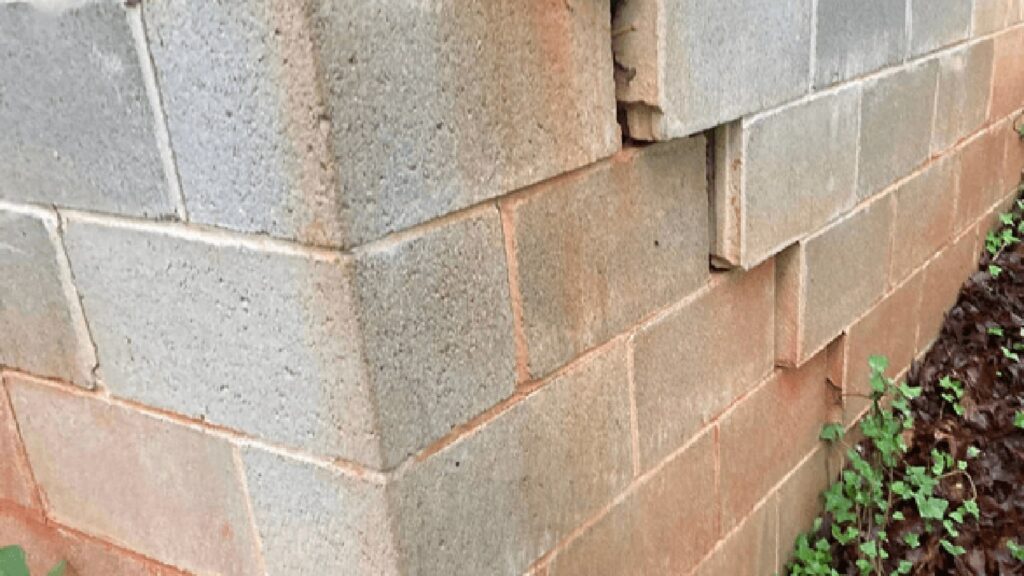
Stair-step cracking in block walls, horizontal lines in poured concrete, or vertical separation in the foundation are the structure telling you directly that the soil outside is winning. In Harrison, cracks that appear or widen after the lake level peaks in late winter are worth treating as urgent.
Cracking in exterior brick, or gaps opening between the foundation and a porch or garage slab, often indicate differential settlement where one section of the home is moving at a different rate than the rest.
A chimney pulling away from the exterior of your home or developing a gap at the roofline is a foundation problem that happens to be visible from the outside. In Harrison's near-shore properties, where soil conditions shift with the reservoir, chimneys often show movement before the rest of the structure does.
Harrison's mix of near-shore water table conditions and older rural crawl space homes means the repair needs here are specific. Our foundation repair contractors assess what is actually driving the damage before recommending anything.
Bowing or cracking foundation walls are one of the most common problems we see in Harrison, particularly in near-shore homes where the water table stays elevated for extended periods. Carbon fiber straps, wall anchors, and steel I-beams are all tools we use depending on the wall condition, soil pressure, foundation material, and how the home is constructed. Our Certified Foundation Specialists determine the right approach during the inspection.
Many of Harrison's older rural homes have original wood support posts in the crawl space that have been dealing with ground moisture for decades. When those posts can no longer carry the load, the floor above starts to sag and shift. We install permanent adjustable steel support jacks that restore the support the floor system needs. Unlike wood, they are not vulnerable to the moisture conditions that caused the original problem.
When a foundation is settling, the structural load needs to be transferred to stable ground below the zone of movement. We assess the soil conditions, the extent of the settlement, and how the home is constructed before recommending a system. Harrison's near-shore properties and older rural homes present different conditions, and the approach we take reflects that.
Cracks that are no longer showing active movement are sealed with flexible materials that hold up through seasonal changes. This stops water from entering through the damaged joint and keeps the crack from deteriorating further.
Every repair we install is backed by our Life-of-the-Structure Warranty. Learn more about our Foundation Repair Solutions.»
Foundation piers are one of the most effective long-term solutions for a settling foundation. They work by transferring the weight of the home to stable ground below the soil that is moving. Once that load transfer happens, the settling stops.
Helical Piers are screwed into the ground until they reach a stable bearing. In Harrison's near-shore neighborhoods, where alluvial soils make that depth unpredictable, helical piers find solid ground wherever it actually is rather than assuming it is at a standard depth. They can be installed in crawl spaces with minimal disruption to the yard and home.
Push Piers are driven using the weight of the structure itself as resistance. For heavier homes on Harrison's upland clay soils where settlement has been more significant, push piers deliver a direct and durable result.
Where conditions allow, both systems can partially lift settled sections of the foundation. A floor that has been sloping for years, a door frame that has racked out of square, gaps that have opened between walls and ceilings. These are outcomes that go beyond stopping the damage.
For Harrison homeowners who want to know the problem is actually solved, foundation piers are the most reliable long-term investment in the structural health of the home.

No two foundations in Harrison are in the same condition, and the cost of repairing them reflects that. A home on a near-shore lot with active wall pressure is a fundamentally different job than a rural crawl space where the support system has been gradually giving out for twenty years. We do not put a number on it until we have seen what is actually going on beneath the home.
The things that shape the scope most often in Harrison are how many areas of the foundation are involved, whether the home sits on alluvial near-shore soil or upland clay, how accessible the crawl space is, and how long the conditions have been developing without intervention. Older rural homes in particular tend to surprise homeowners during the inspection because what feels like a localized problem from inside the house frequently turns out to be more widespread beneath it.
After the inspection, you will receive a written proposal with a clear breakdown of what we found, what we recommend, and exactly what it costs. No ranges, no estimates that grow once the work starts, and no pressure to commit before you are ready.
Not every foundation repair company working in Hamilton County has experience with what Harrison's conditions actually require. Alluvial soils near Chickamauga Lake behave differently than the upland clay most contractors are used to, and older rural crawl spaces that have been quietly deteriorating for decades need a different eye than a newer suburban foundation showing its first crack.
Our Certified Foundation Specialists have been working across this region long enough to know the difference. We do not arrive with a predetermined solution. We look at what your specific home is dealing with, explain it in plain terms, and recommend what the conditions actually call for.
Harrison homeowners have enough to manage without worrying about whether their foundation repair will hold. That is what the warranty is for, and that is why we stand behind every job we do here.

If you have noticed cracks in your foundation walls, floors that have shifted, or a crawl space that does not look right, the time to find out what is happening is before the problem gets further along. Foundation damage in Harrison does not resolve on its own, and the repairs are almost always more straightforward when they are caught early.
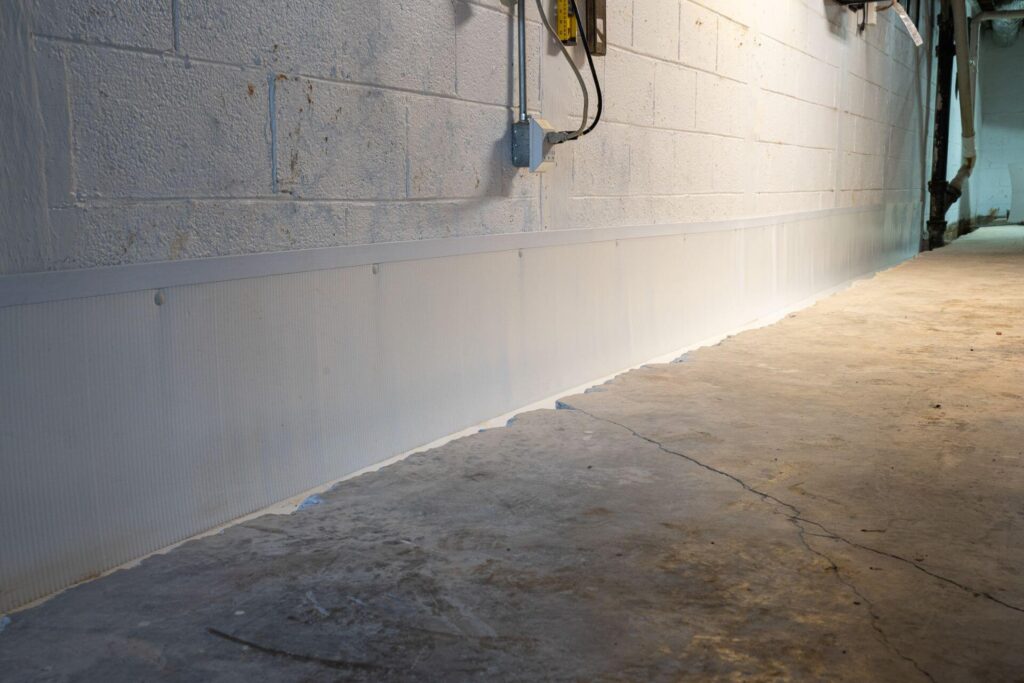
Harrison, TN Basement Waterproofing
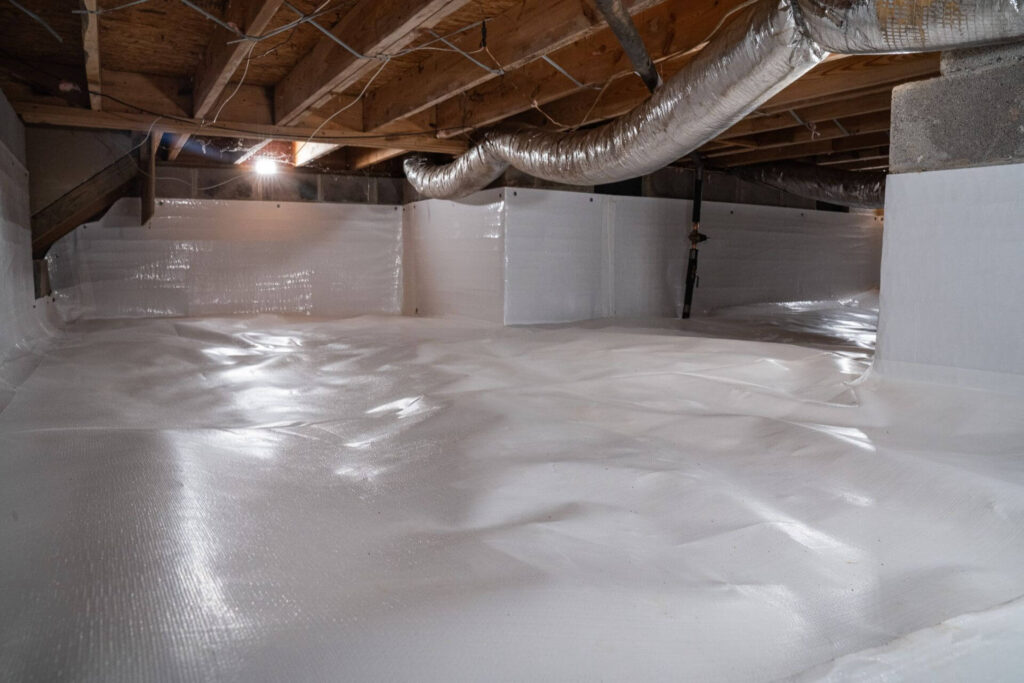
Harrison, TN Crawl Space Encapsulation
We respect your privacy. By submitting, you authorize '58 Foundations and Waterproofing to reach you via call, email or text for information about your project needs. We will never share your personal information with third parties for marketing purposes. You can opt out at any time. Message/data rates may apply. Consent is not a condition of purchase. Privacy Policy