
Free Estimate
888-698-1958
Call for Priority Scheduling
888-698-1958
Call for Priority Scheduling
Book Online
Basement leaks and dampness are common in Kennesaw, where shifting clay soil and heavy rain make water intrusion a real risk. At '58 Foundations & Waterproofing, we install proven drainage and waterproofing systems to keep your basement dry.
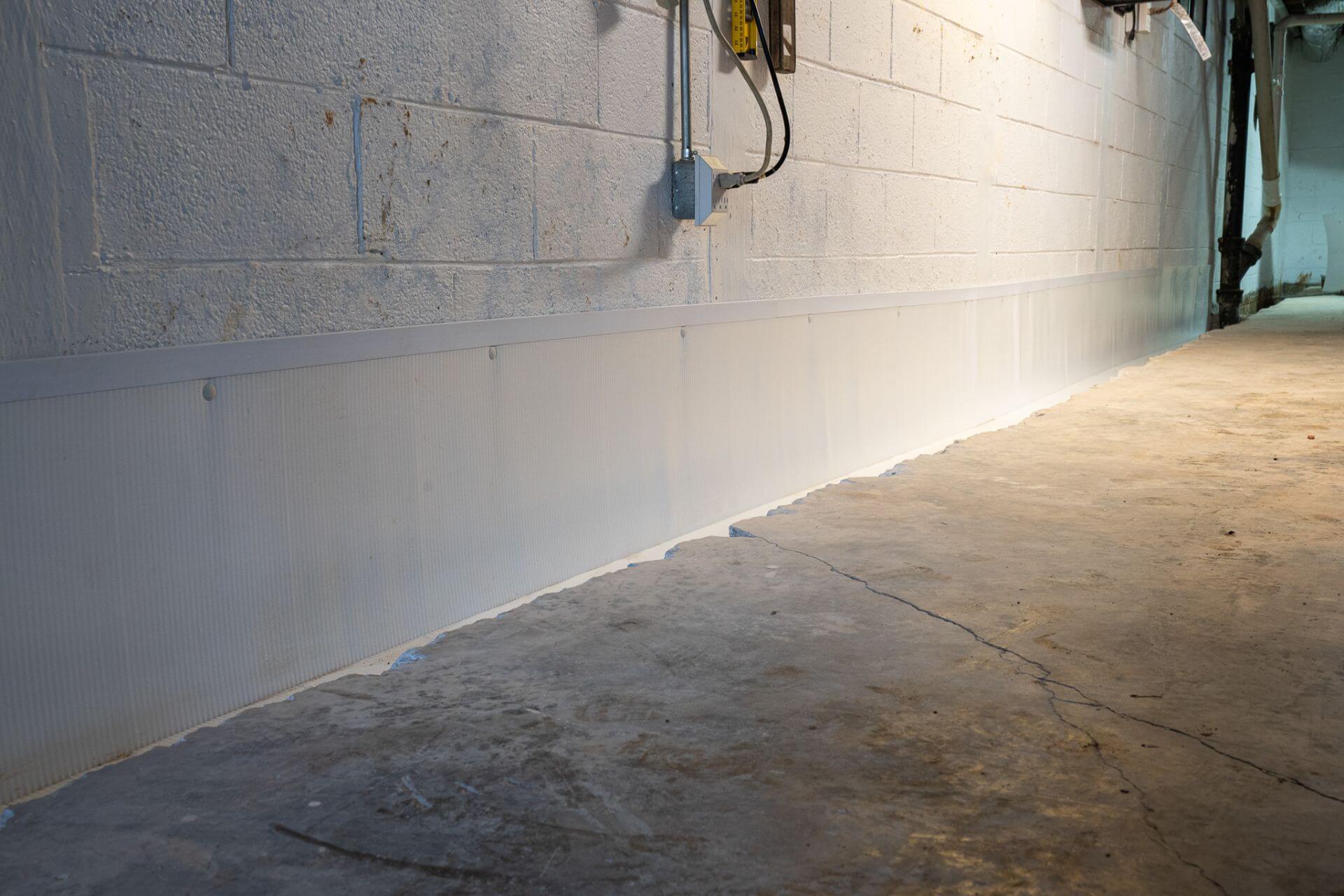





Kennesaw sits in the Piedmont physiographic province of northern Georgia, where red clay soil and close to 53 inches of annual rainfall create conditions that put consistent pressure on basement walls and floors. Most of the housing stock here went up during the suburban boom of the 1980s and 1990s, when the city's population more than doubled in a single decade. Basements that were dry when they were poured have spent thirty or forty years absorbing the effects of soil movement, shifting drainage patterns, and the kind of slow moisture intrusion that rarely announces itself until it has already done real damage.
If your basement has developed a smell, staining on the walls, or moisture that shows up after heavy rain, those signs are worth taking seriously in Kennesaw. '58 Foundations & Waterproofing has been doing this work since 1958. Our Certified Foundation Specialists assess each home's specific conditions before recommending a waterproofing system, because what water does beneath a Kennesaw home depends on the lot, the neighborhood drainage, and what the soil beneath the footing is holding.
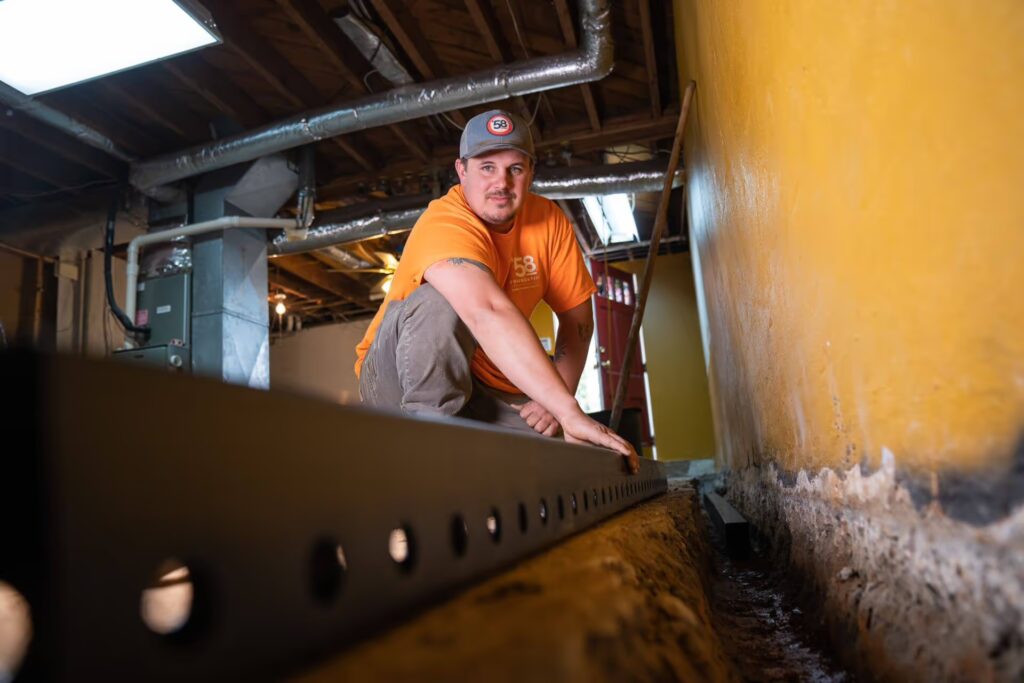
The red clay soil that covers most of Cobb County absorbs water slowly and holds it for a long time. After a heavy rain, that saturated clay sits against the basement walls and pushes. When dry conditions follow, the same clay shrinks and pulls away from the foundation, opening small gaps that let water in the next time it rains. That back-and-forth runs through every season and adds up over the years.
Lot grading that looked correct when a neighborhood was built has settled and shifted since. Many properties now slope toward the house rather than away from it. Downspouts that drain against the foundation, shallow swales that have filled in over time, and concrete surfaces added over the years all push runoff toward the basement instead of directing it away.
Kennesaw's rolling terrain means water moving across higher ground has to go somewhere, and in a lot of neighborhoods, it ends up against the foundations on lower-lying lots. Homes near Noonday Creek and its tributaries see the water table rise quickly after significant rain and stay elevated longer than homeowners expect. A basement can look dry at the surface while the soil underneath is still holding moisture weeks after the last storm.
Most basement water problems in Kennesaw show up gradually. By the time water is visibly pooling, the damage has usually been building for a while. These are the signs that tend to surface first.
Rust stains on basement floors or walls come from metal components, fasteners, or appliances sitting in a persistently damp environment. In Kennesaw's clay soil conditions, where moisture stays elevated long after rain, that dampness does not have to be visible to leave rust behind.
Drywall that is bubbling, warping, or soft to the touch has been absorbing moisture. Finished basements can hide water intrusion for a long time before the wall surfaces start showing it. By the time the damage is visible, the framing and insulation behind it have usually been affected too.
Brown or yellowish staining along the base of basement walls or across the floor marks where water has moved through and evaporated, leaving mineral deposits behind. Stains that follow the same line after every heavy rain tell you water is finding a consistent path into the space.
Termites need moisture to survive, and a damp basement gives them both food and favorable conditions. If you are finding soft or hollowed wood in the lower level, moisture is likely part of the reason they are there. Treating the infestation without addressing the moisture means the conditions that attracted them remain.
Mold growth in a basement is a sign that moisture levels have been high enough, long enough, for it to take hold. In Kennesaw's humid summers, basements that stay damp through the wet season give mold exactly what it needs. It does not always appear in obvious spots. Check along wall bases, behind stored items, and in corners where air does not circulate.
White chalky deposits on basement walls are left behind when water moves through concrete and carries dissolved minerals to the surface. The water itself has already evaporated by the time you see it, but efflorescence tells you water has been passing through the wall regularly.
A persistent musty smell in the basement means moisture is present even when nothing looks wet. In Kennesaw, where humidity stays elevated through much of the year, that smell often builds gradually and becomes easy to stop noticing. Visitors to the home usually notice it before the people living there do.
Cracks in basement walls or floors that let water through during or after rain are under active hydrostatic pressure from outside. The clay soil surrounding Kennesaw foundations holds water against the wall long after a storm passes, which means a crack that seeps a little today will typically seep more as the pressure continues.
Not all cracks leak right away. Cracks in poured concrete walls or along the floor can start as hairline separations and widen gradually as the clay outside goes through repeated wet and dry cycles. A crack that is not leaking today is a path water will find eventually.
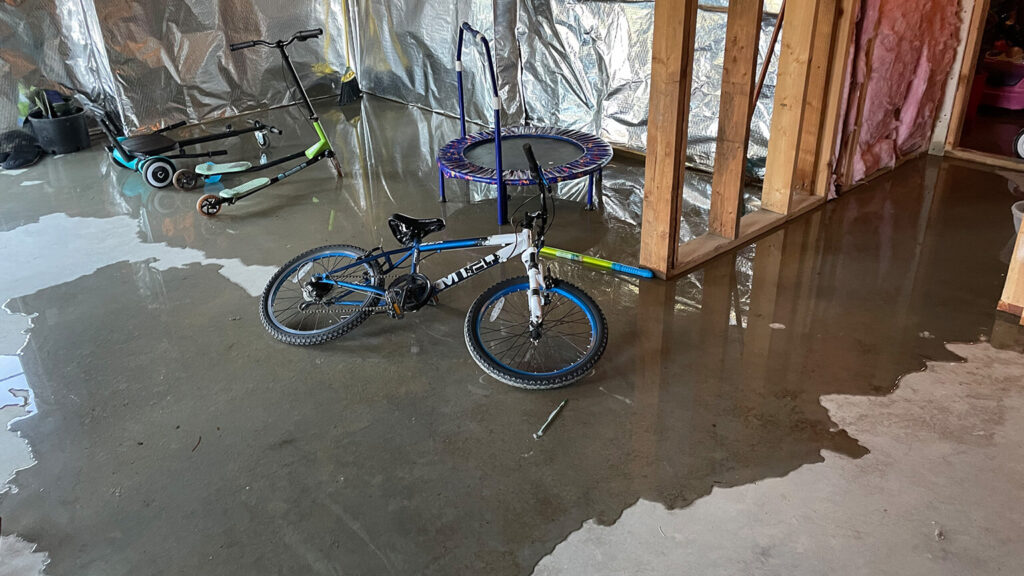
Every basement waterproofing system we install in Kennesaw starts with understanding where the water is coming from and what is driving it. We assess each home before recommending anything, because a system that does not account for the specific conditions at that property will not hold up.
Surface water that has nowhere to go ends up against the foundation. We correct grading problems and install exterior drainage solutions that move water away from the home before it reaches the basement wall, reducing the hydrostatic pressure that builds up in Kennesaw's clay soil after heavy rain.
Moisture does not only enter through cracks and joints. It migrates through concrete walls and floors as vapor, especially in Kennesaw's humid summers. We install vapor barriers that block that migration and keep moisture from accumulating behind finished walls or across basement floors.
Interior drainage channels installed along the base of the basement walls intercept water before it spreads across the floor. Rather than trying to stop water at the wall, this system captures it at the point of entry and directs it to a sump pump for removal.
A properly installed sump pump removes the water that the drainage system collects. Battery backups keep the system running during power outages, which in Kennesaw often coincide with the heaviest storms. We cover the full system in detail in the next section.
Even a basement with no visible leaks can hold enough moisture to support mold growth in Kennesaw's summers. A basement dehumidifier maintains air quality, protects stored belongings, and keeps humidity at a level that does not invite the problems that follow.
Where moisture has already allowed mold to take hold, we remove it before installing the waterproofing system. Sealing a basement without addressing existing mold traps the problem inside rather than solving it.
Our Life-of-the-Structure Warranty backs every system we install. Learn more about our Basement Waterproofing services.»
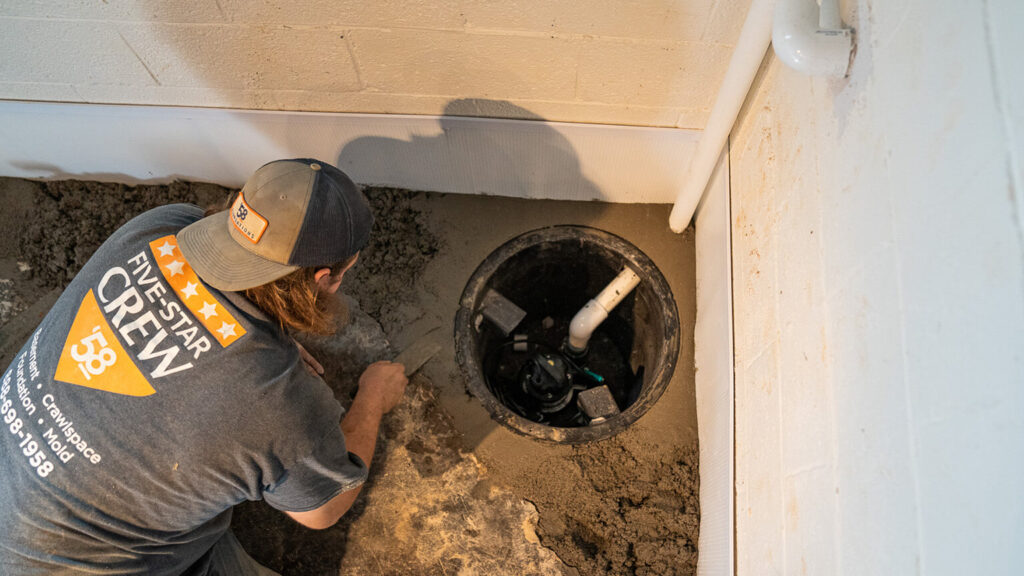
A sump pump is the core of most basement waterproofing systems, but what makes it effective is how it is installed and what supports it. A pump dropped into a pit without proper drainage feeding into it, or without a backup for when the power goes out, is not a complete solution. In Kennesaw, where the heaviest rain and the most likely power outages tend to happen at the same time, the installation details matter.
The pump sits in a pit at the lowest point of the basement. Water that collects in the pit, whether from drain channels, seepage through the floor, or rising groundwater, triggers the pump when it reaches a set level. The pump then moves that water out of the home through a discharge line to a safe location away from the foundation. A check valve on the line keeps discharged water from flowing back in.
Battery backup addresses what a primary pump cannot. When a storm knocks out power, the backup takes over automatically. For Kennesaw homeowners, that is not a rare edge case. Summer thunderstorms that push significant water into clay soil are the same storms that take down power lines.
What size pump a basement needs, whether drain channels are necessary to feed it properly, and how the discharge line should be routed all depend on the specific conditions at the home. A Certified Foundation Specialist will assess those conditions during the inspection and recommend what is actually needed rather than a standard package.
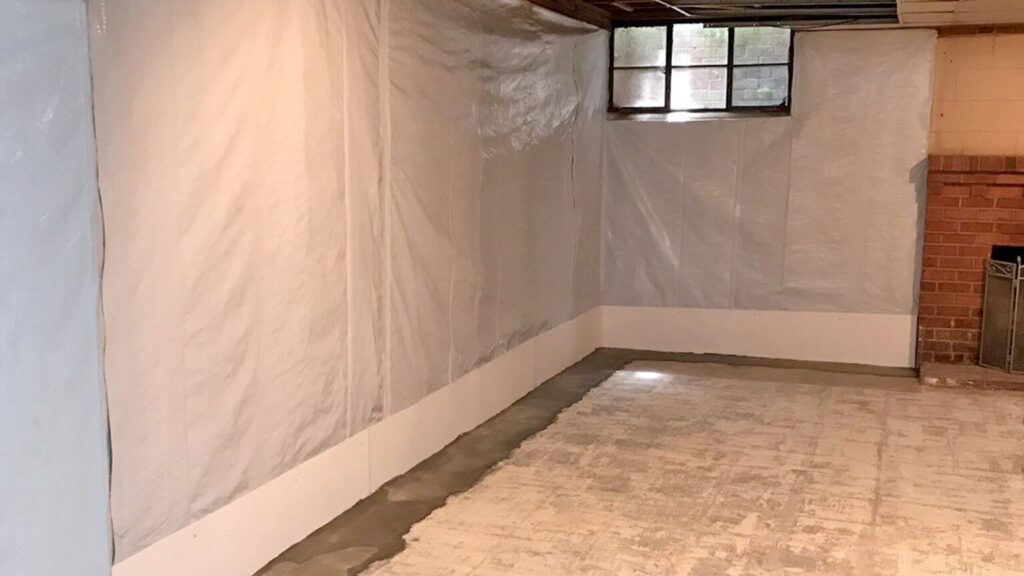
Basement waterproofing cost in Kennesaw depends on what is actually happening in the basement. A single leaking crack in an otherwise dry basement is a very different scope than a basement with active seepage along multiple walls, existing mold, and drainage graded toward the house. There is no honest number to put on it without first seeing the conditions.
Factors that most commonly affect cost in Cobb County include:
After every inspection, we provide a written proposal with a clear explanation of what we found, specific recommendations based on your home's conditions, transparent pricing, and full warranty details. No pressure to decide on the spot and no estimates that change once the work begins.
Cobb County has no shortage of waterproofing contractors. What separates them is whether the person showing up at your door understands what is actually happening beneath your specific home, or whether they are working from a script and a standard package.
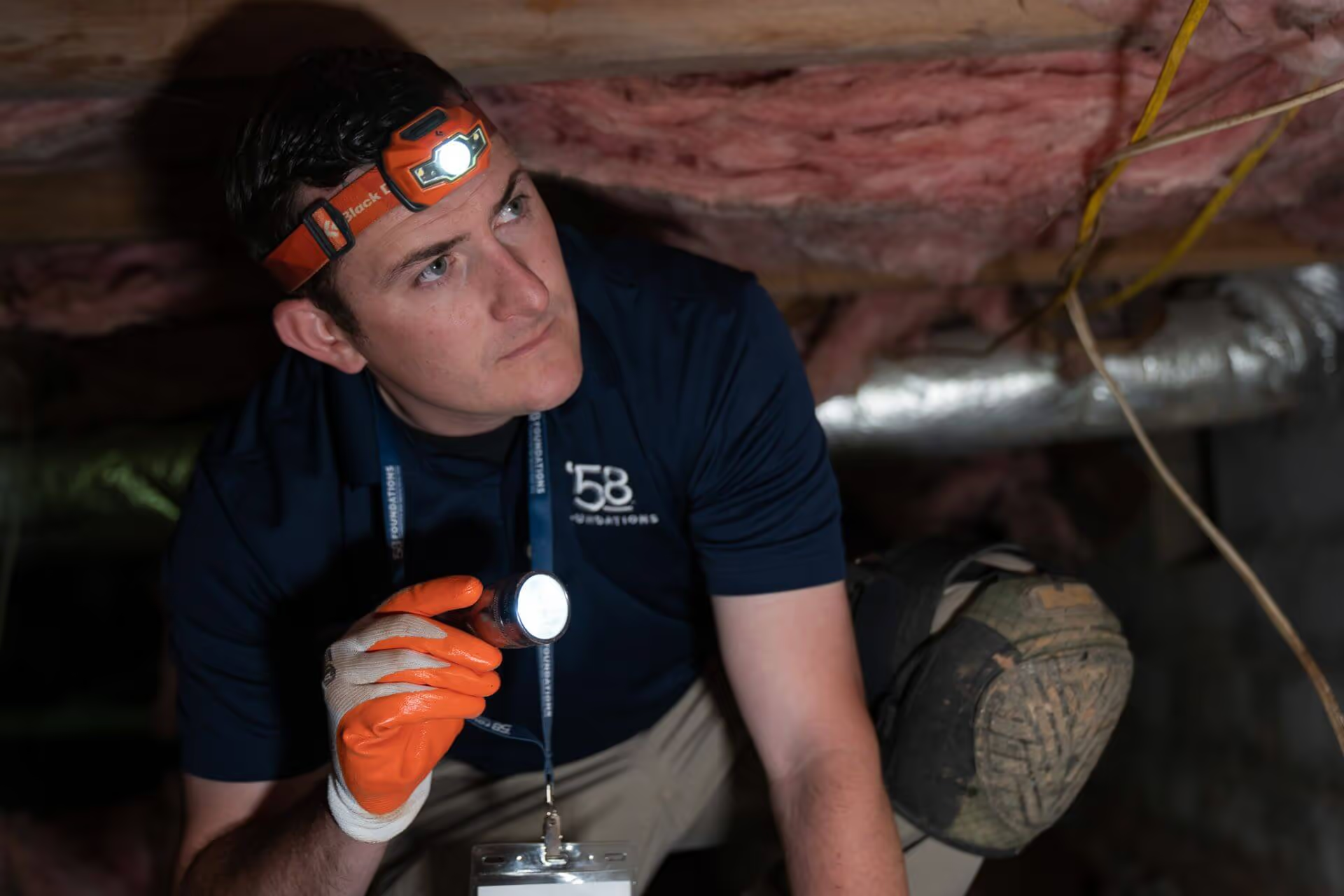
Our Certified Foundation Specialists are trained to identify the full range of conditions that drive basement moisture problems, including the ones that develop gradually over years and do not announce themselves until the damage is already done. When they make a recommendation, it is based on what your home needs, not on what is easiest to install.
'58 Foundations & Waterproofing has been doing this work since 1958. We do not subcontract our crews, which means the people who show up are the people accountable for the work. Every system we install is backed by our Life-of-the-Structure Warranty, which transfers to the new owner if you sell the home.
We have earned the BBB Torch Award for Ethics four times across three regions in three years, and we have been recognized by This Old House as the most experienced company in our field.
A free inspection comes with a written estimate, a clear explanation of what we found, and no pressure to commit. If your basement has a problem, we will tell you what it is and what it will take to fix it.

If you have noticed staining on the walls, a smell that will not go away, or moisture that shows up after heavy rain, the time to find out what is happening is before the next storm adds more water to soil that is already holding plenty. Basement moisture problems in Kennesaw do not resolve on their own, and the work is almost always simpler and less costly the earlier it is caught.
Contact '58 Foundations & Waterproofing today to schedule your free inspection. A Certified Foundation Specialist will evaluate your basement, explain what they find, and give you a clear plan for making it right.

Other Services We Offer in Kennesaw, GA
Kennesaw, GA Crawl Space Encapsulation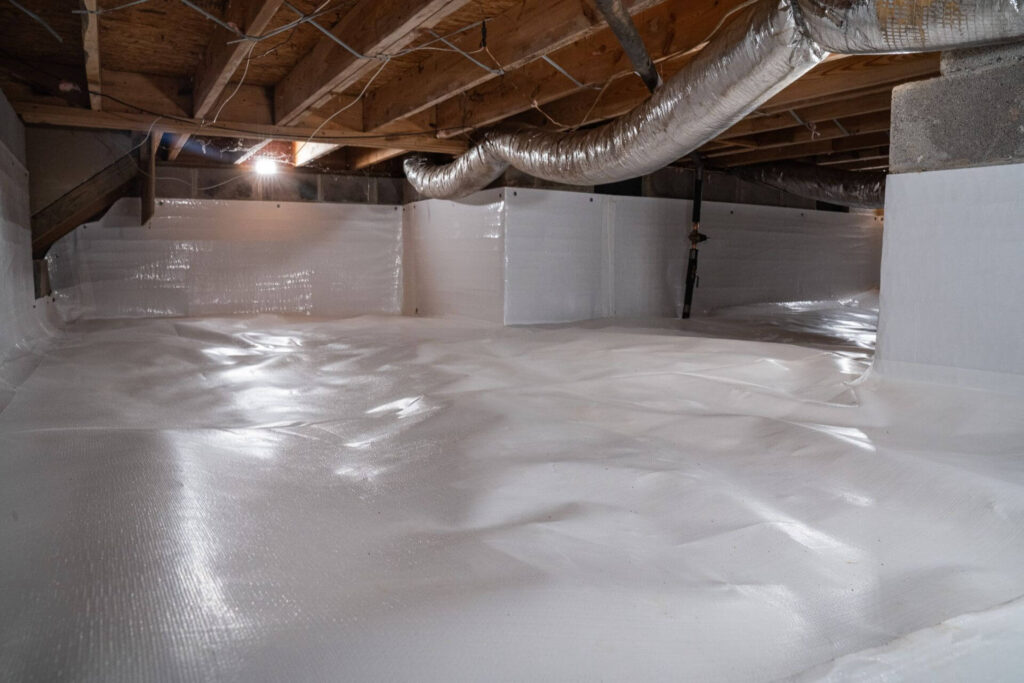
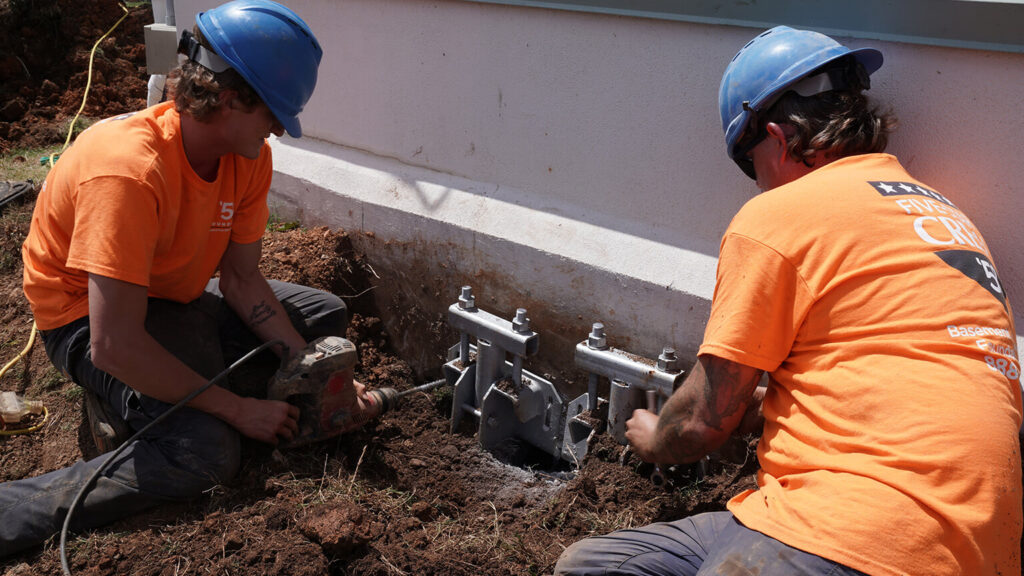
Kennesaw, GA Foundation Repair,
We respect your privacy. By submitting, you authorize '58 Foundations and Waterproofing to reach you via call, email or text for information about your project needs. We will never share your personal information with third parties for marketing purposes. You can opt out at any time. Message/data rates may apply. Consent is not a condition of purchase. Privacy Policy