
Free Estimate
888-698-1958
Call for Priority Scheduling
888-698-1958
Call for Priority Scheduling
Book Online
Basement water problems are common in Harrisburg, but they don’t have to last. At '58 Foundations & Waterproofing, we stop leaks at the source with drainage systems, sump pumps, and permanent waterproofing solutions built for Central PA homes.
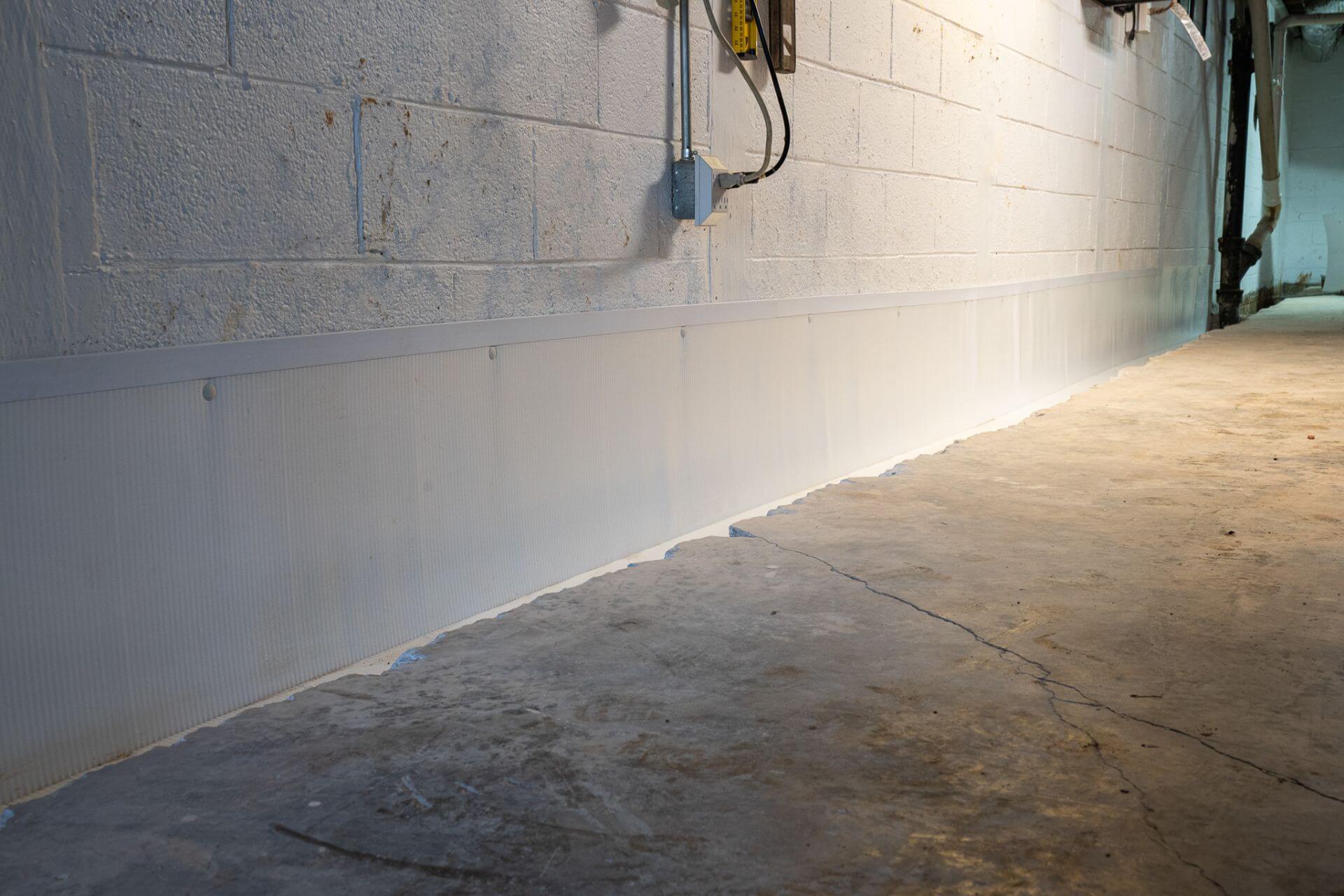





Harrisburg sits on the Susquehanna River, and the river has a long history of reminding homeowners here what water can do. But the flooding that makes the news is only part of the picture. The limestone bedrock beneath Dauphin County, the runoff that comes with dense urban development, and Paxton Creek moving through the city all keep groundwater active against basement walls year-round. Water finds its way in through cracks, joints, and porous concrete, and once it does, the damage to walls, floors, and air quality builds steadily.
'58 Foundations & Waterproofing has been keeping basements dry in the greater Harrisburg area since 1958. Our Certified Foundation Specialists inspect each home, identify what is driving the moisture, and design a drainage and waterproofing system built for the specific conditions they find. Every job comes with a written estimate before work begins, and every system we install is backed by a Life-of-the-Structure Warranty. We don't use subcontracted crews. Call us to schedule your free inspection.
The Susquehanna drains a massive watershed upstream before it reaches Harrisburg, which means heavy rain anywhere across a wide region can raise the river and push the local water table up within the city. The USGS gauge at Harrisburg notes that at 17 feet, basements on both banks of the river begin to flood. Tropical Storm Agnes reached more than 33 feet at that gauge in 1972. Tropical Storm Lee exceeded major flood stage again in 2011. Those events are on the extreme end, but the river's influence on groundwater levels in this valley is a year-round condition, not just a storm event.
Beneath the city, Dauphin County sits on limestone and carbonate bedrock. The Pennsylvania Geological Survey has formally catalogued karst features in Dauphin County, the same subsurface limestone network of fractures and voids that moves groundwater unpredictably and can create unstable soil conditions above it. Water moving through that network doesn't behave the way it does in clay or sandy soil. It travels through fractures and surfaces where the path of least resistance leads, which is sometimes directly against a foundation wall.
Harrisburg is also a densely developed city. Impervious surfaces, such as rooftops, parking lots, and paved streets, concentrate stormwater runoff rather than letting it absorb into the ground. Paxton Creek runs through the city and collects that runoff before joining the Susquehanna. When the ground is already saturated from a high water table, and runoff has nowhere to go, the pressure against basement walls builds from multiple directions at once.
A wet basement in a river valley city rarely looks the same twice. Some homeowners notice it immediately. Others live with small signs for years before realizing the damage has been building the whole time. Here is what to pay attention to.
Look for orange or brown discoloration on the basement floor near the base of steel support columns, around pipe penetrations through the wall, or along the bottom of poured concrete walls. Metal corrodes when moisture stays in contact with it over time. If the staining has spread or darkened since you first noticed it, the moisture source is ongoing. Learn more about rust stains in the basement.
Press your hand against the lower portion of the finished basement walls. Drywall that has absorbed moisture feels soft or slightly spongy rather than firm. You may also notice the paint surface separating from the drywall itself, or the bottom edge of the board beginning to deteriorate. By the time it is visible from across the room, the damage is usually well advanced. Learn more about water-damaged drywall.
In Harrisburg basements, water staining often appears as a horizontal band along the lower portion of block or concrete walls, marking the level water reached before evaporating. You may also see it as dark patches on the floor near wall joints or in corners. A stain that has grown wider or darker over time means water has been reaching the same area repeatedly. Learn more about water stains in the basement.
Check wood framing, floor joists, and any wood in contact with the foundation wall. Termite-damaged wood sounds hollow when tapped and may show thin channels running along the grain just beneath the surface. Mud tubes on the wall surface, roughly the width of a pencil, are another indicator. A damp basement is exactly the environment termites seek out. Learn more about termite damage.
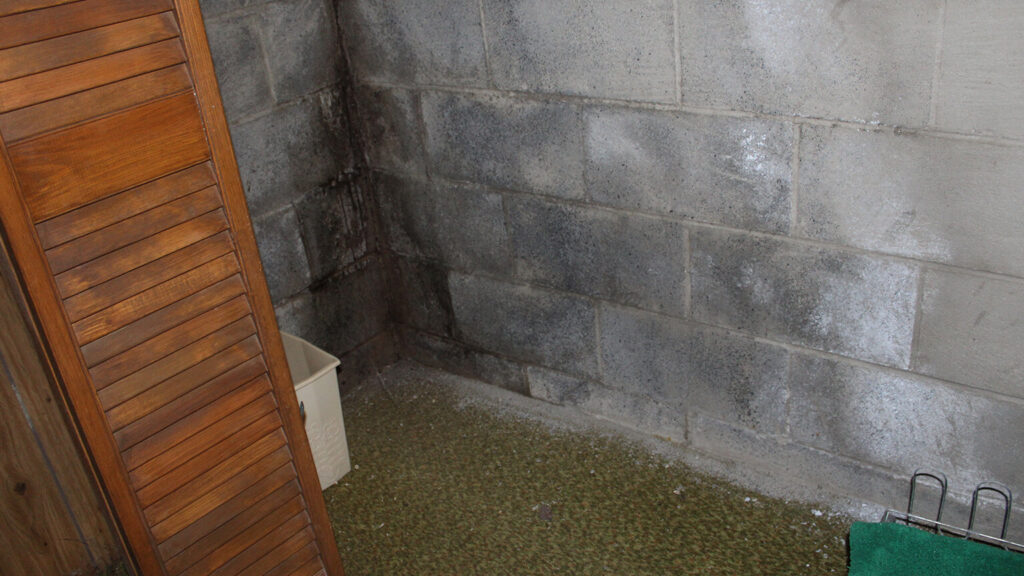
Mold in a basement can be black, green, gray, or white, depending on the type and surface it is growing on. Run your hand along the base of unfinished walls, check the underside of any wood framing near the floor, and look behind items stored against the walls. A musty smell in an area where you cannot see mold often means it is growing out of sight. Learn more about basement mold.
White or gray powdery deposits on block or concrete walls are efflorescence. It forms when water carries dissolved minerals through the wall material and deposits them on the surface as it evaporates. In a city with active groundwater moving through limestone bedrock beneath it, efflorescence on basement walls often means that water has been working through the same path for a long time. Learn more about efflorescence.
A basement that smells damp even when the floor is dry is holding moisture somewhere. The odor is produced by mold and mildew colonies that may be inside wall cavities, beneath flooring, or on the surface of concrete that stays perpetually damp. In a dense urban environment like Harrisburg, where basements are surrounded by saturated soil on multiple sides, that baseline dampness can be persistent. Learn more about musty odors in the basement.
A crack that shows a white mineral trail down the wall, has a damp halo around it, or drips actively during or after rain is under pressure from water on the other side. In Harrisburg, where groundwater can rise quickly when the Susquehanna backs up, or heavy rain saturates the city's limited permeable surface, that pressure can build fast and sustain itself for days. Learn more about leaking cracks.
Horizontal cracks running across block walls are worth taking seriously, as they indicate lateral pressure from saturated soil outside. Diagonal cracks running from the corners of window openings or wall junctions, and floor cracks with one side slightly raised above the other, are also signs that the ground around the foundation is moving. Learn more about floor and wall cracks.
A river valley city with limestone bedrock beneath it and dense development above it creates basement water conditions that vary from block to block. We assess each home before recommending anything.
In a city where impervious surfaces concentrate runoff rather than absorbing it, surface water around a foundation can accumulate faster than most homeowners expect. Exterior drainage corrections redirect that water away from the foundation before it loads the soil against your basement walls.
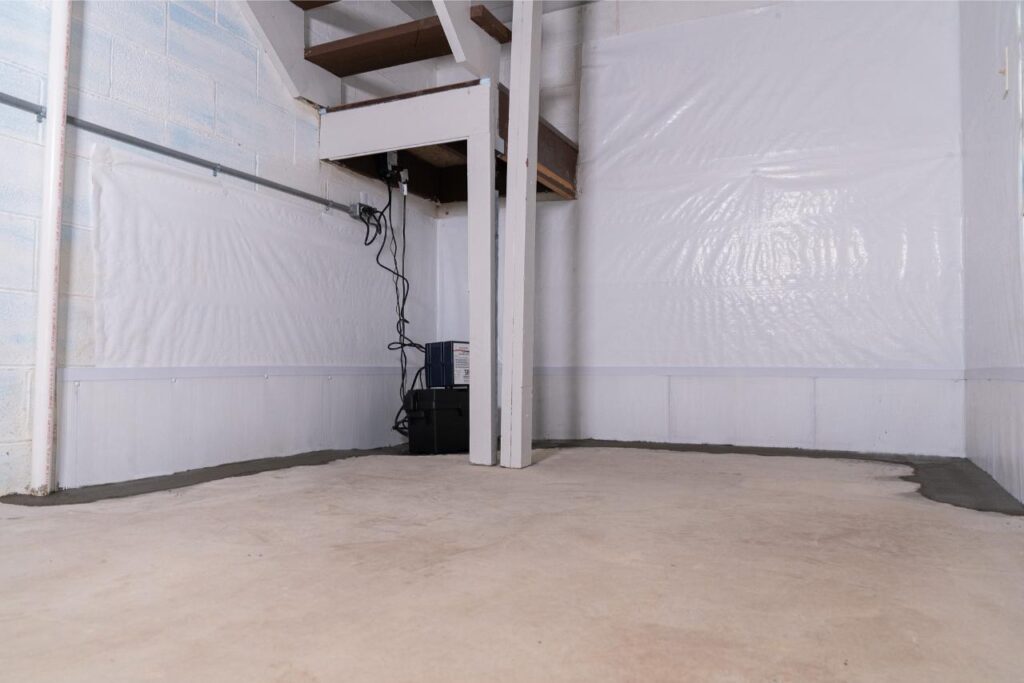
Groundwater moving through limestone fractures beneath Harrisburg keeps moisture active against basement walls even when there is no rain and no visible seepage. Vapor barriers and wall membranes block that transmission at the wall surface before it raises humidity and damages the space.
When the water table rises after a storm backs the Susquehanna up or saturates the city's limited green space, hydrostatic pressure against foundation walls can build quickly and stay elevated for days. Channel 58 interior drainage runs along the foundation perimeter at floor level, intercepting water as it enters through the wall base and routing it to the sump pit before it spreads across the floor.
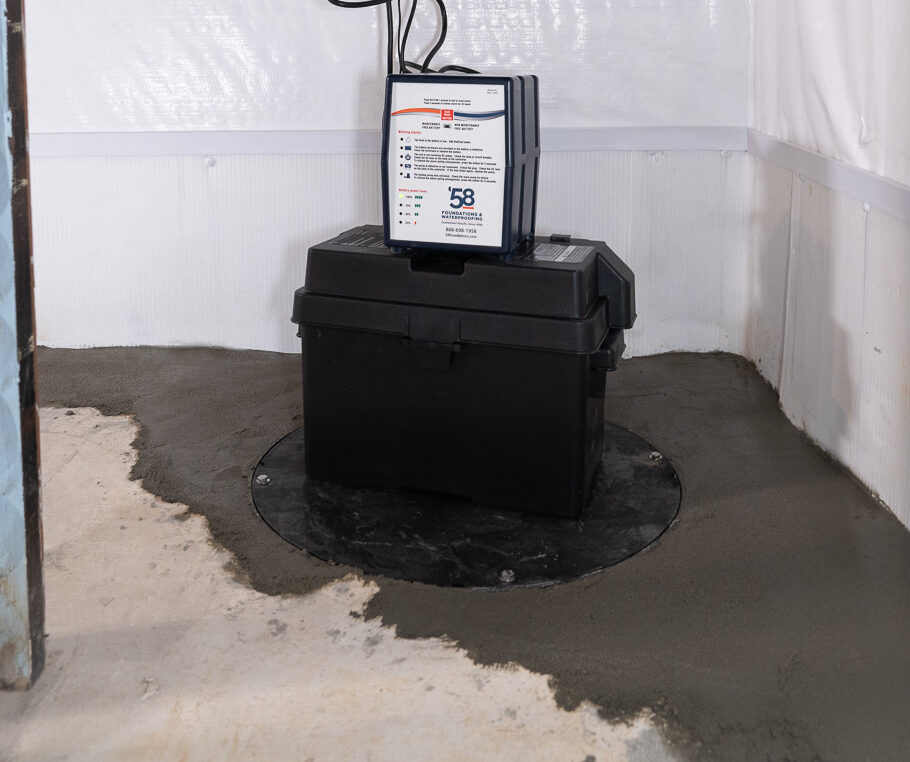
The sump pump removes what the drainage system collects and pushes it out of the home. The storms that raise the Susquehanna and saturate Harrisburg's streets are the same ones that knock out power. The Workhorse OT battery backup keeps the system running through an outage so the pump doesn't fail at the moment it is needed most.
Dense urban development, active groundwater, and humid Pennsylvania summers keep basement humidity elevated in Harrisburg even in homes that show no active seepage. Our HumidiGuard dehumidifier is rated for the sustained moisture load that below-grade spaces in this environment carry.
Mold that has established in a basement before waterproofing work begins needs to be cleared before any system goes in. We provide professional mold remediation when the inspection finds it.
Our Life-of-the-Structure Warranty backs every system we install. Learn more about our Basement Waterproofing services.»
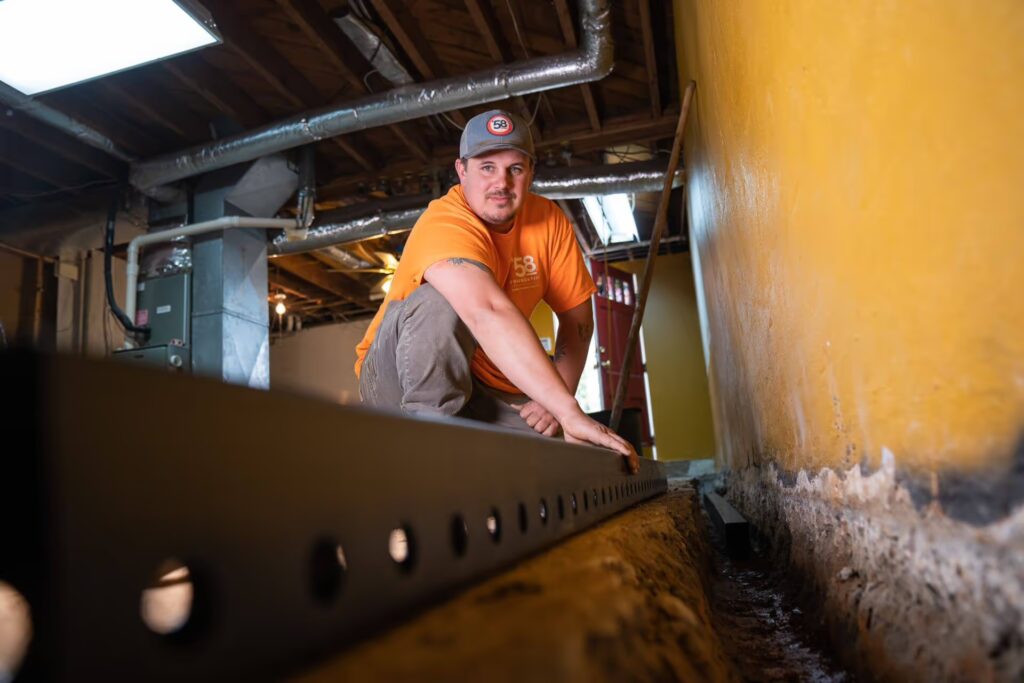
A functioning sump pump is only as good as the system feeding it. On its own, a pump sitting in a pit can only react to water that has already reached the floor. Paired with Channel 58 interior drainage running along the foundation perimeter, it becomes part of a complete system that intercepts water at the wall base before it spreads, routes it to the pit, and removes it from the home. Each component depends on the other working correctly.
Getting the installation details right matters. Pit placement, pump capacity, and discharge line routing all affect real-world performance. A discharge line that terminates too close to the foundation returns water to the same soil the system just pulled it from. A pump undersized for the volume a Susquehanna storm event sends in will run continuously and burn out.
The Workhorse OT battery backup operates on a marine-grade battery and activates automatically when the primary pump loses power or fails. The storms that raise the river and saturate Harrisburg's streets are the same ones most likely to knock out power across the city. A complete system with a functioning backup doesn't go offline when conditions are at their worst.
Basement waterproofing costs in Harrisburg vary because the conditions here vary more than most. A home sitting close to the Susquehanna with a water table that rises during storm events is a different job than one several blocks inland, where dense urban runoff is the primary driver. A basement where groundwater is moving through limestone fractures beneath the slab requires different intervention than one where a single aging block wall has been transmitting vapor for years without active seepage.
The scope of the work follows what the inspection finds. These are the factors that shape it:
What You Can Expect
'58 Foundations & Waterproofing provides free inspections with written estimates. Your Certified Foundation Specialist will assess the property, identify what is driving the moisture, and give you a clear picture of what the work involves before anything is scheduled.
A city built on a river valley with limestone bedrock beneath it and a documented history of major flood events above it is not the easiest environment to keep a basement dry. The conditions here put real demands on both the systems installed and the people installing them.
'58 Foundations & Waterproofing has been working in central Pennsylvania since 1958. Every inspection is handled by a Certified Foundation Specialist who evaluates the home and provides a written estimate before any work is scheduled. We don't use subcontracted crews. The people who show up are our employees, trained to our standards and accountable for the work they do.
We have earned the BBB Torch Award for Ethics four times across three regions in three years, and This Old House has recognized us as the most experienced company in our field. A Life-of-the-Structure Warranty backs every system we install.
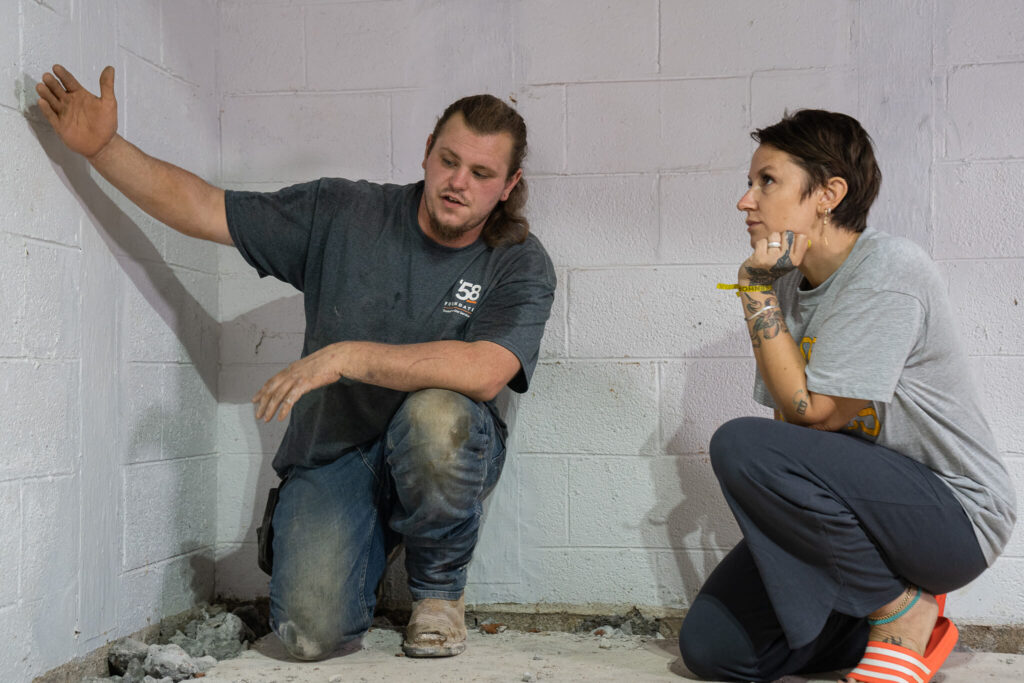
Harrisburg's geology and its proximity to the Susquehanna mean basement water problems here often have more going on beneath the surface than what is visible on the wall. A free inspection with '58 Foundations & Waterproofing gives you a clear picture of what is actually driving the moisture before you decide what to do about it.
Contact '58 Foundations & Waterproofing today to schedule your free inspection. A Certified Foundation Specialist will evaluate your basement, explain what they find, and give you a clear plan for making it right.
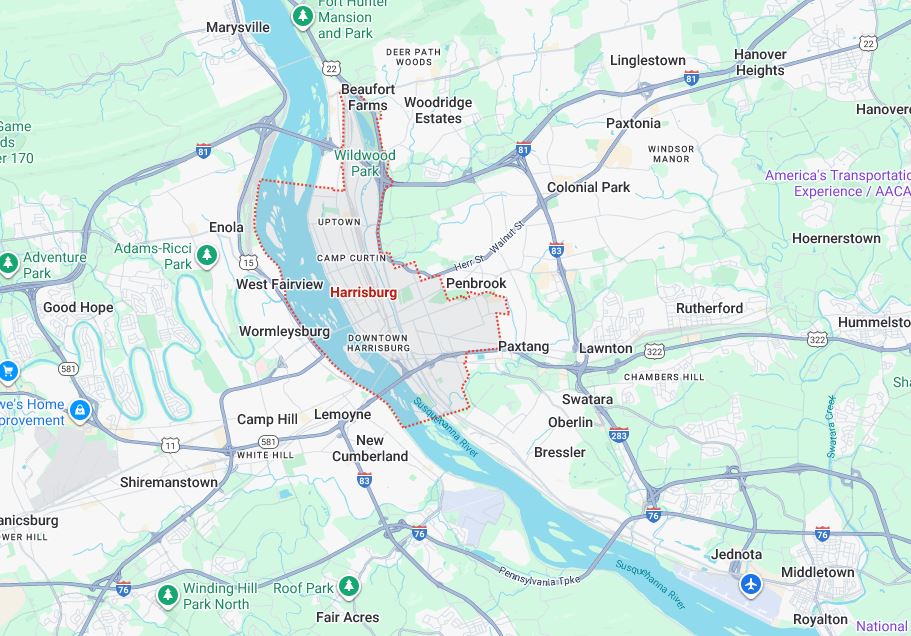
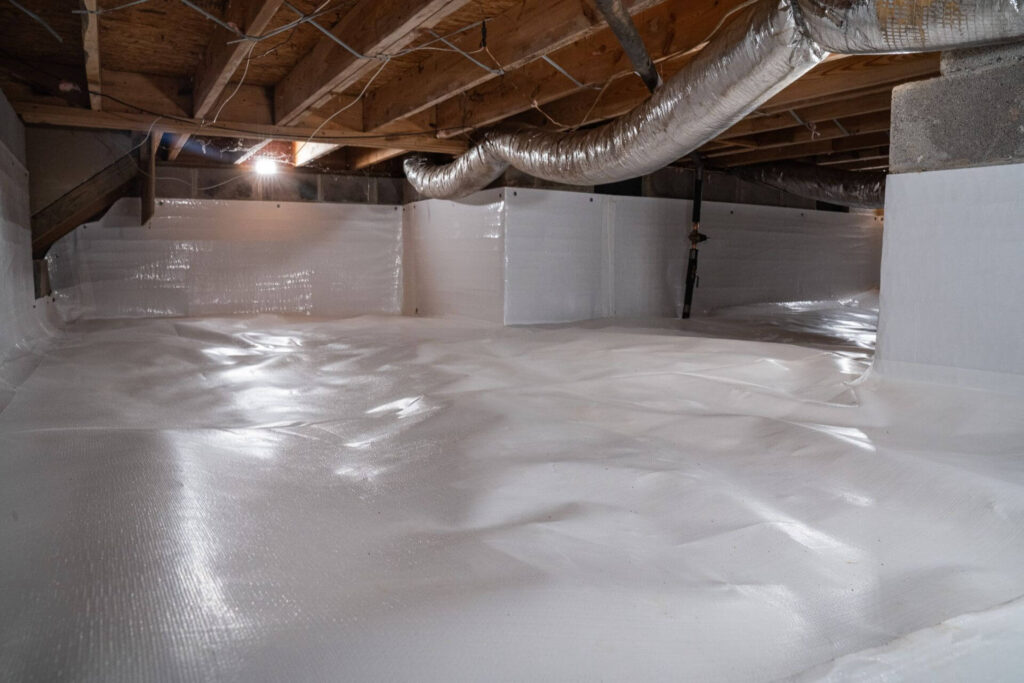
Harrisburg, PA Crawl Space Encapsulation
We respect your privacy. By submitting, you authorize '58 Foundations and Waterproofing to reach you via call, email or text for information about your project needs. We will never share your personal information with third parties for marketing purposes. You can opt out at any time. Message/data rates may apply. Consent is not a condition of purchase. Privacy Policy