
Free Estimate
888-698-1958
Call for Priority Scheduling
888-698-1958
Call for Priority Scheduling
Book Online
Rely on '58 Foundations & Waterproofing for expert foundation repair in Centreville. We address cracks, settling, and structural concerns to help keep your home stable, secure, and protected for years ahead.
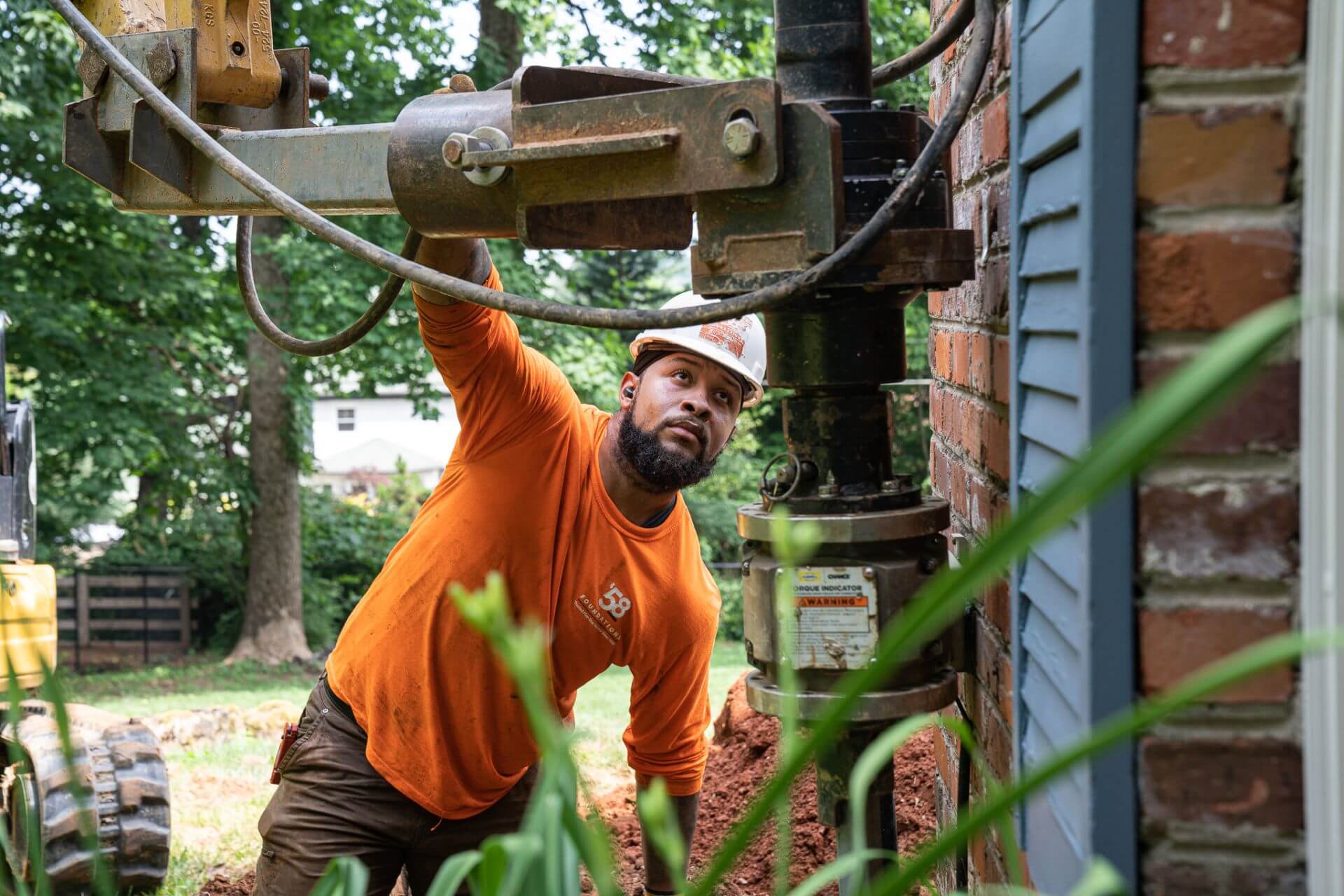




Centreville grew fast. Most of the housing here was built during the suburban boom of the 1980s, 90s, and early 2000s, when land was graded, cleared, and built on quickly to keep pace with demand. That kind of rapid development often left homes sitting on backfilled soil that was never given time to settle properly, and in Fairfax County's clay-heavy ground, that's a combination that shows up in foundations over time.
If you're seeing cracks in your walls, floors that have started to slope, or doors that no longer sit right in their frames, '58 Foundations & Waterproofing can help. We've been repairing foundations across Northern Virginia since 1958, and our Certified Foundation Specialists will give you a straight answer about what's happening beneath your home and what it will take to fix it.
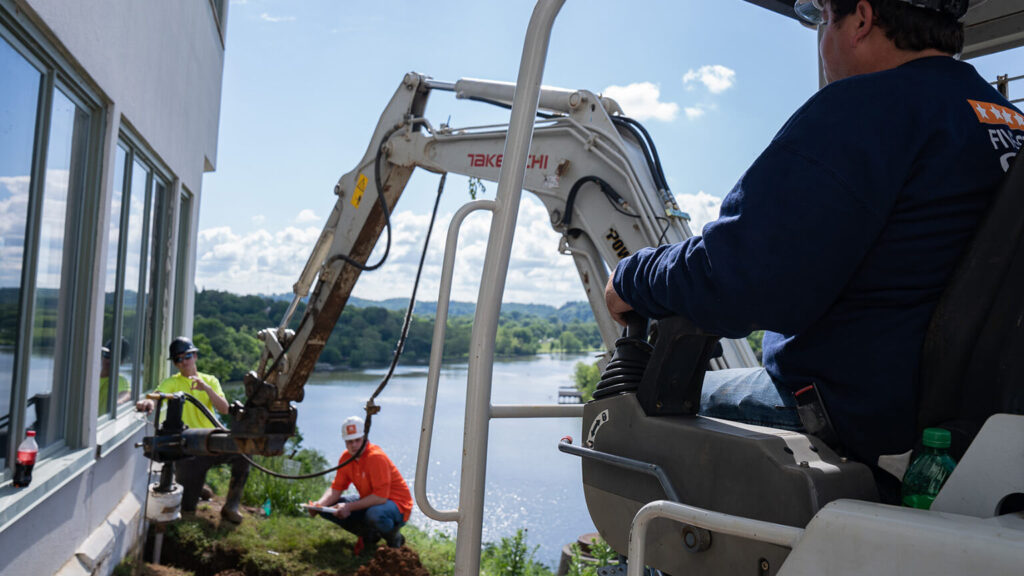
Centreville sits within the Triassic Basin portion of Fairfax County, where the soil over sedimentary and igneous bedrock tends to be dense with plastic clay. That clay absorbs water and swells during wet periods, then shrinks and pulls away during dry stretches. For a foundation, that cycle never really stops.
The rapid development that defined Centreville's growth made things more complicated. When land gets cleared and regraded quickly, the disturbed soil that gets backfilled around and beneath new foundations doesn't compact the same way undisturbed ground does. It settles unevenly over time, sometimes for years after construction is complete. Homes in neighborhoods built during the 1980s and 90s buildout are now old enough that this kind of movement has had time to accumulate.
Drainage is the other consistent factor. Centreville's mix of impervious surfaces, tight lot lines, and sloped terrain means water moves quickly during heavy rain and often ends up concentrating near foundations. A downspout that discharges too close to the house, a yard that pitches toward the structure rather than away from it, or a clogged area drain can all push water into the soil directly against the foundation wall. Over time that pressure adds up, and the clay soil holds onto that moisture long after the rain has stopped.
Centreville's mix of backfilled lots, clay soil, and homes that are now 30 to 40 years old means foundation movement shows up in a lot of different ways. These are the signs that typically bring homeowners to call us.
A door that used to close cleanly but now has to be forced, or a window that jams in its frame, happens when the structure above shifts as the foundation moves below it. When it's happening to multiple doors or windows throughout the house, it's worth having the foundation looked at.
Diagonal cracks from the corners of door and window frames, horizontal cracking in drywall, and cracks that come back after being patched are all signs of structural movement. So is a gap forming where an interior wall meets the ceiling.
A floor that has developed a noticeable slope, sags in the middle of a room, or bounces underfoot points to failing support beneath the subfloor. In homes built over crawl spaces, deteriorating posts and beams are often the cause.
Horizontal cracks in poured concrete walls and stair-step cracks along mortar joints in block walls indicate soil pressing against the structure from outside. Horizontal cracks carry more risk than vertical ones and tend to widen over time.
If a basement wall looks like it's leaning inward or has a visible curve to it, that's not normal settling. It means the wall is moving under pressure from the soil outside, and in Centreville's clay-heavy ground, that pressure builds gradually with each wet season.
Chimneys sit on their own footings and often move at a different rate than the main foundation. A visible tilt, or mortar cracking where the chimney meets the roofline, usually means the soil beneath the footing has been shifting for some time.
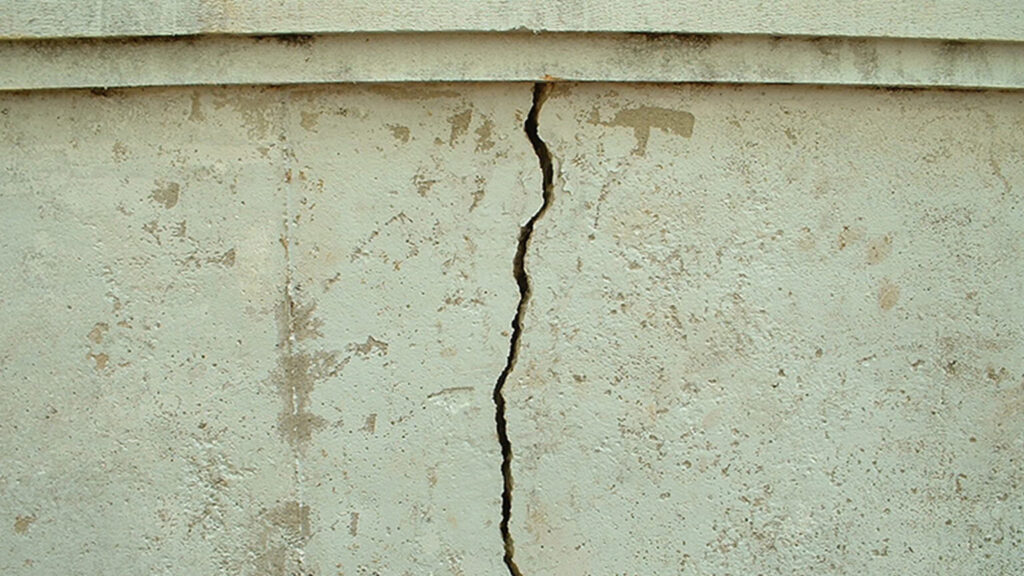
At '58 Foundations & Waterproofing, the repair we recommend comes from what we find during the inspection, not a predetermined package. Centreville's soil conditions, development history, and mix of home styles mean the cause of the problem varies from property to property, and the repair should reflect that.
For basement walls that are bowing or leaning, we install carbon fiber straps, steel I-beams, or helical tieback anchors, depending on what the inspection reveals. The right choice depends on several factors specific to your home and site conditions. Our Certified Foundation Specialist will walk you through the recommendation and the reasoning behind it.
When a foundation is settling, piers are installed beneath the footing to transfer the structural load to stable soil below the active clay layer. We install helical piers and push piers, and the type we use depends on your home's specific conditions, including soil profile, access, and the nature of the settlement. Both systems stop further movement and can often recover some of the elevation that has been lost.
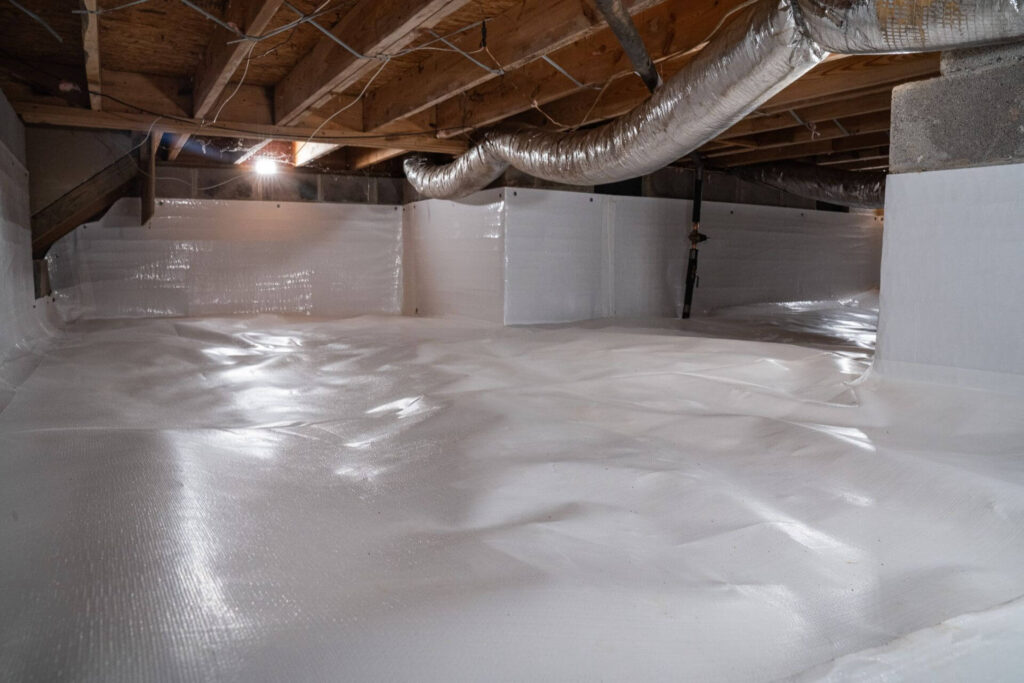
When support posts beneath a crawl space are no longer doing their job, the floors above start to sag and bounce. We install adjustable steel jacks that shore up the structure from below, restoring proper support without disturbing the existing framing.
Cracks in the basement walls that are letting in water are sealed to stop intrusion and prevent further deterioration. We use flexible materials that move with the structure through seasonal soil shifts rather than rigid fillers that can break down over time.
Basement floor cracks that are widening or letting in moisture need more than a surface seal. We install carbon fiber floor stitches across the crack and finish with epoxy, stopping further movement and closing the crack against water intrusion.
[Learn more about our Foundation Repair Solutions]
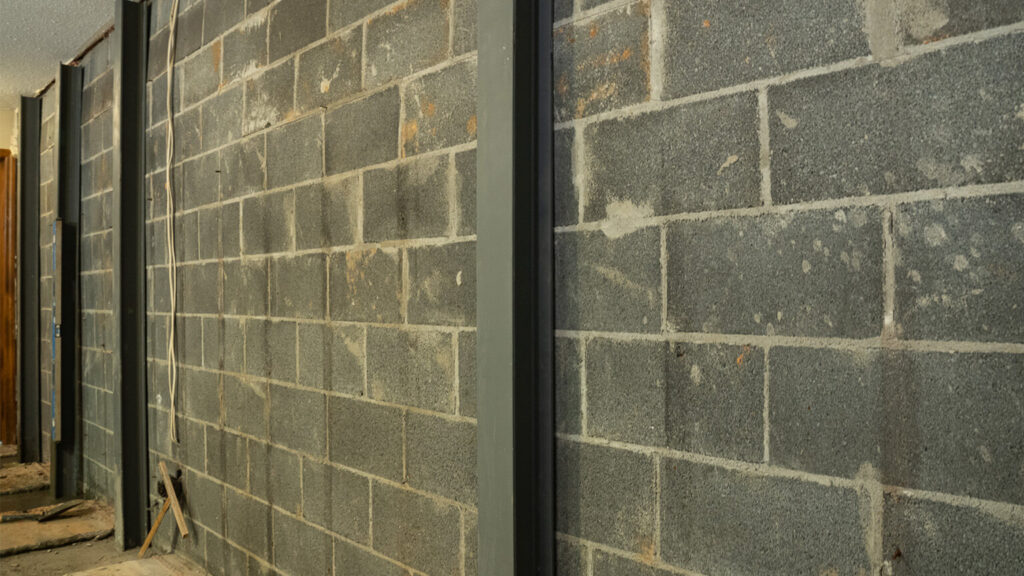
When a foundation has started to settle, the issue is in the soil, and piers are the repair that addresses it directly. A pier is a steel shaft installed beneath your home's footing that transfers the structural load past the unstable soil to a stable bearing layer below. Once in place, the weight of the home rests on the pier rather than on ground that has been shifting.
Centreville's backfilled lots and clay-heavy soil make settlement a common issue, particularly in homes built during the rapid development of the 1980s and 90s. Disturbed soil that was never properly compacted continues to move under load for years, and piers are the most reliable way to stop that movement permanently.
Helical piers are steel shafts with plates welded along them in a helix pattern. They are rotated into the ground like a large screw rather than driven, which gives the installer precise control over depth and torque. That torque reading is what confirms the pier has reached soil capable of bearing the load. Because installation relies on rotation rather than impact, helical piers can be installed with compact equipment in tight spaces, making them well suited for properties with limited access, low clearance, or landscaping that needs to be preserved.
Push piers are steel shafts driven hydraulically straight into the ground. Installation continues until the pier reaches a depth where the soil resists further penetration, a point called refusal, which confirms the pier has found a stable bearing layer. The depth and resistance achieved at each pier location is recorded, giving homeowners and engineers a measurable, documented record of the work. Push piers are well suited for a range of settlement conditions and soil profiles.
Once either system is installed, the structural load transfers off the compromised footing and onto the piers. In many cases that transfer also allows us to recover some of the elevation the foundation has lost, reducing the slope, gaps, and misalignment that settlement leaves behind.

Foundation repair costs in Centreville vary widely, and what you can see on the surface isn't always a reliable guide to what the repair will involve. A crack in a basement wall might be a straightforward seal. It might also be a symptom of a foundation that has been settling for years under backfilled soil and needs a pier system. The same visible damage, two very different scopes of work.
That distinction matters because the right diagnosis changes everything. A Certified Foundation Specialist looks beyond the crack or the sloping floor to understand what's actually driving the problem. The repair we recommend is based on that, not on what's easiest to quote.
'58 Foundations & Waterproofing provides free inspections and written estimates before any work begins. You'll receive a clear explanation of what was found, what caused it, and what it will take to correct it, with transparent pricing and no pressure to decide on the spot.
What separates companies isn't the equipment or the product lines; most reputable contractors use similar systems. It's the quality of the diagnosis and the honesty of the conversation that follows.
Our Certified Foundation Specialists don't work from a script. They inspect the home, identify what's actually driving the damage, and explain it in plain terms. If the repair is straightforward, the estimate will reflect that. If it's more involved, you'll understand exactly why before any work begins.
Life-of-the-Structure Warranty. Most of our repairs are backed by a warranty that stays with the home, not the owner. If you sell, that coverage transfers to the buyer, which increasingly matters during home inspections in Northern Virginia's real estate market.
No subcontracted crews. Every job is completed by our own team. That means consistent standards and a single point of contact if questions come up after the work is done.
Free inspections and written estimates. No obligation, no pressure, and nothing verbal. You'll have everything in writing before you make a decision.
When homeowners in Centreville are searching for a foundation repair contractor they can trust, those are the things that tend to matter most once the initial quote conversation is over.
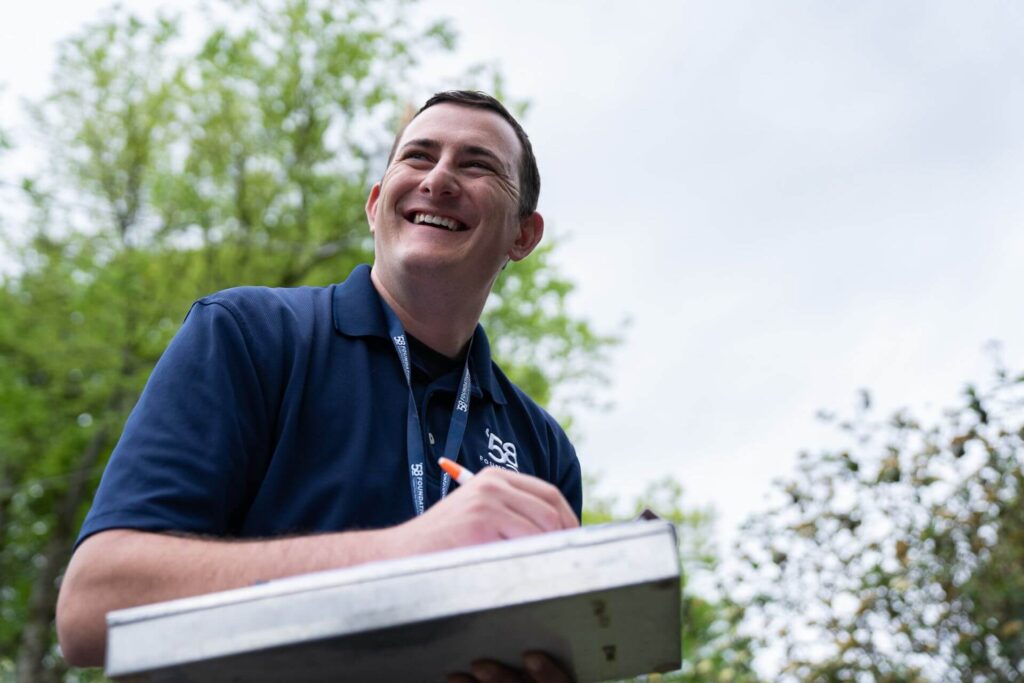
If you've noticed cracks, sticking doors, or floors that have started to shift, our Certified Foundation Specialists serve Centreville and the surrounding Northern Virginia area. Call '58 Foundations & Waterproofing today or fill out our online form to schedule your free inspection. No obligation, no pressure, just a straight answer about what's happening beneath your home.
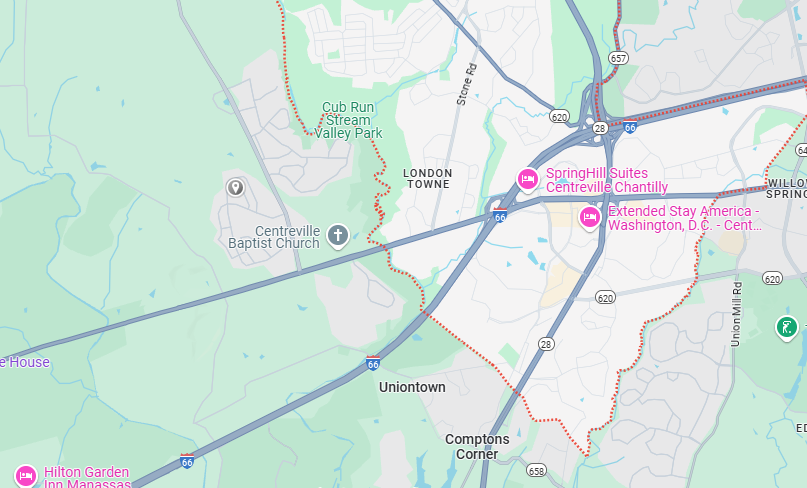
Other Services We Offer in Centreville
Centreville Basement Waterproofing
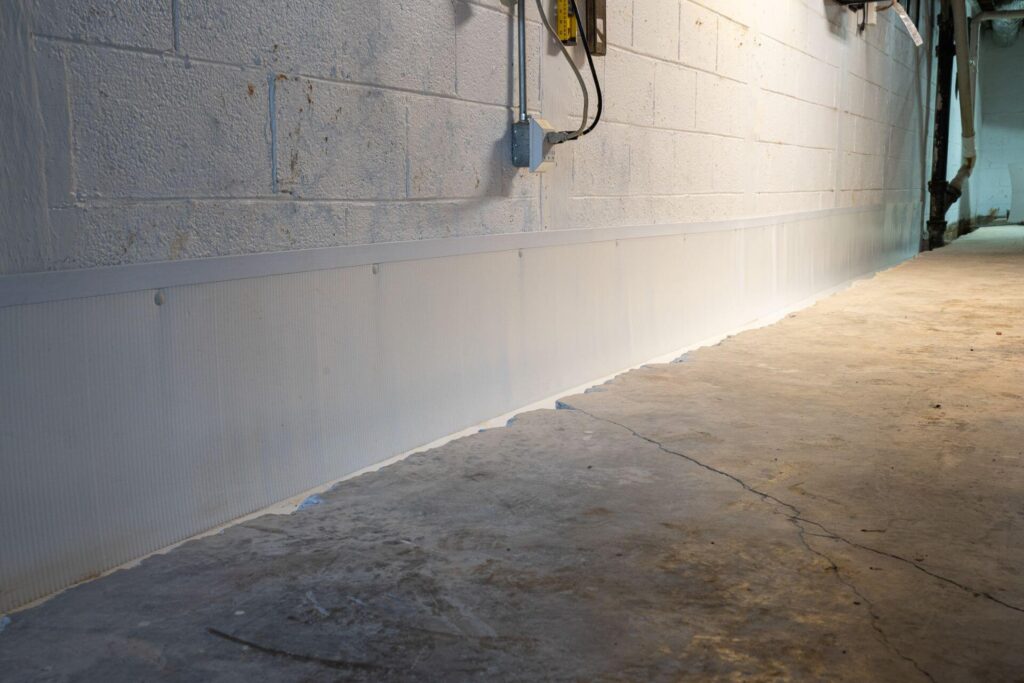
Centreville Crawl Space Encapsulation
We respect your privacy. By submitting, you authorize '58 Foundations and Waterproofing to reach you via call, email or text for information about your project needs. We will never share your personal information with third parties for marketing purposes. You can opt out at any time. Message/data rates may apply. Consent is not a condition of purchase. Privacy Policy