
Free Estimate
888-698-1958
Call for Priority Scheduling
888-698-1958
Call for Priority Scheduling
Book Online
If you’re researching repair options, you’ve likely come across two common terms: polyurethane foam lifting and traditional mudjacking. While both methods aim to restore settled slabs, they’re not equal in performance, precision, or longevity. In this comparison, we’ll break down how each process works.
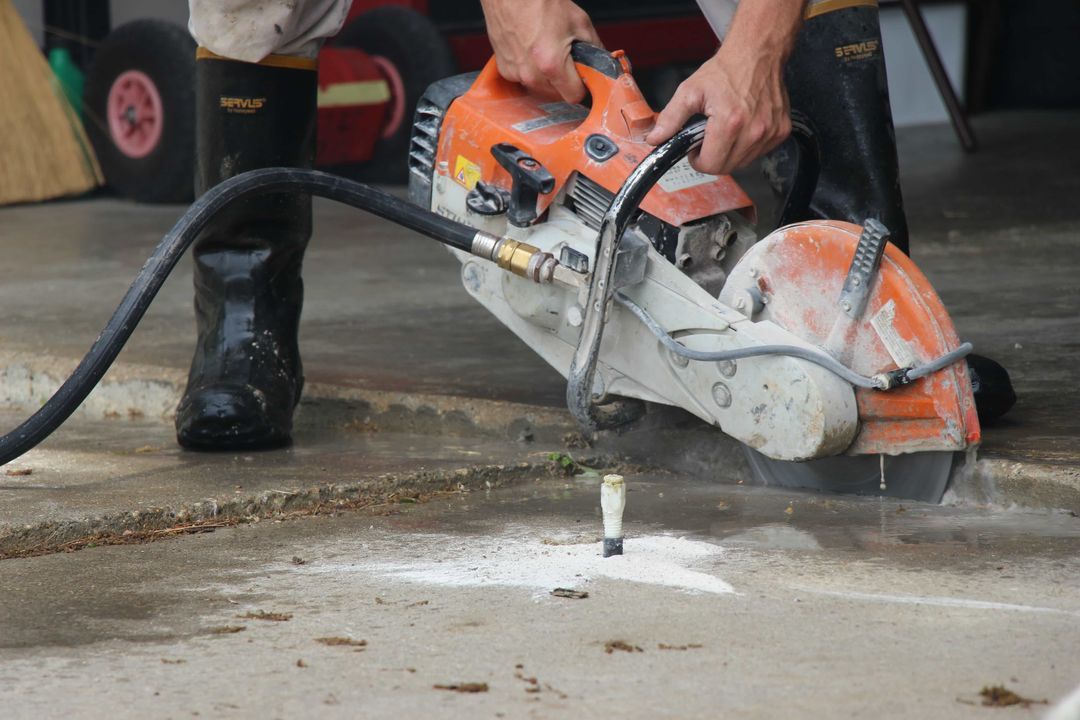





Sunken concrete can show up in all the wrong places: driveways, sidewalks, patios, pool decks, and even garage floors. And when it does, the uneven surfaces aren’t just frustrating to look at. They become safety hazards, make drainage problems worse, and lower your home’s curb appeal.
When it comes to fixing settled concrete, two repair methods are often mentioned: mudjacking and polyurethane foam lifting. Both aim to restore concrete to its original level, but the way they do it (and how long the results last) couldn’t be more different.
At ’58 Foundations & Waterproofing, we specialize in modern solutions that deliver real, lasting results. This side-by-side comparison will walk you through the pros and cons of each approach, so you can make the right choice for your home.
Mudjacking is a traditional method used to lift and level sunken concrete. The process involves drilling several large holes into the slab, typically around 1 to 2 inches in diameter, and pumping a thick slurry of water, soil, and cement (often called “mud”) underneath. As the mixture fills the voids beneath the slab, it builds pressure and raises the concrete back to a more level position.
While mudjacking can be effective in the short term, the material itself is heavy and can eventually contribute to additional settling. The slurry is also prone to washing out over time if water intrusion continues below the slab.
Polyurethane foam lifting, also known as polyjacking, is a modern alternative that uses lightweight, expanding foam to lift and support sunken concrete. The process begins with drilling small holes, only about the size of a dime, and injecting a specialized polyurethane foam beneath the slab. As the foam expands, it fills gaps and gently raises the concrete to a level position.
Because the foam is waterproof and significantly lighter than mudjacking slurry, it doesn’t add stress to weak soils or wash out over time. It also cures within minutes, allowing the concrete to be used again almost immediately after installation.
While mudjacking has been around for decades, it simply doesn’t measure up to polyurethane foam lifting in terms of precision, speed, or long-term performance. At ’58 Foundations & Waterproofing, we use polyurethane foam because it provides a cleaner installation, faster curing, and better results without the added weight or mess of traditional mudjacking.
Whether you're dealing with a sunken driveway, uneven sidewalk, or patio that’s starting to tilt, polyfoam is a smarter solution. It restores your concrete with less disruption and holds up better over time, even in poor soil or wet conditions.
If you want a repair method that’s built to last, polyurethane foam lifting is the clear choice.
If your driveway, sidewalk, or patio is starting to sink, don’t wait for the cracks to get worse. Our team at ’58 Foundations & Waterproofing uses advanced polyurethane foam lifting to restore stability, improve safety, and help protect your home’s value.
Schedule a free inspection today with one of our Certified Foundation Specialists. We’ll evaluate the damage, explain your options, and help you choose a repair method that makes sense for your home and your budget.
| Category | Mudjacking | Polyurethane Foam Lifting |
| Installation Process | Requires large holes (1–2 inches) drilled into the slab. Thick slurry is pumped underneath to lift concrete. | Small holes (about ⅜ inch) are drilled. Lightweight foam is injected to lift and support. |
| Curing Time | 1 to 2 days before the slab can be used again. | Foam cures in 15–30 minutes. Surfaces can often be used the same day. |
| Precision | Less precise; can result in over-lifting or uneven support. | Expands in a controlled way for targeted, accurate lifting. |
| Material Weight | Slurry is heavy, up to 100 lbs per cubic foot, and can worsen soil settlement. | Polyfoam weighs about 2–4 lbs per cubic foot and doesn’t strain weak soils. |
| Durability | It can erode or wash out over time, especially with water intrusion. | Foam is waterproof and long-lasting and resists erosion and settling. |
| Cleanup & Disruption | Messier process; slurry may leave residue and require surface cleaning. | Clean, efficient process with minimal disruption to surrounding areas. |
| Longevity | Often temporary and may require re-application after several years. | Designed for long-term performance with minimal maintenance. |
We respect your privacy. By submitting, you authorize '58 Foundations and Waterproofing to reach you via call, email or text for information about your project needs. We will never share your personal information with third parties for marketing purposes. You can opt out at any time. Message/data rates may apply. Consent is not a condition of purchase. Privacy Policy