
Free Estimate
888-698-1958
Call for Priority Scheduling
888-698-1958
Call for Priority Scheduling
Book Online
Enhance your Alexandria home’s comfort and protection with crawl space encapsulation from '58 Foundations & Waterproofing. We seal out moisture and help prevent mold, improving air quality and long-term home health.
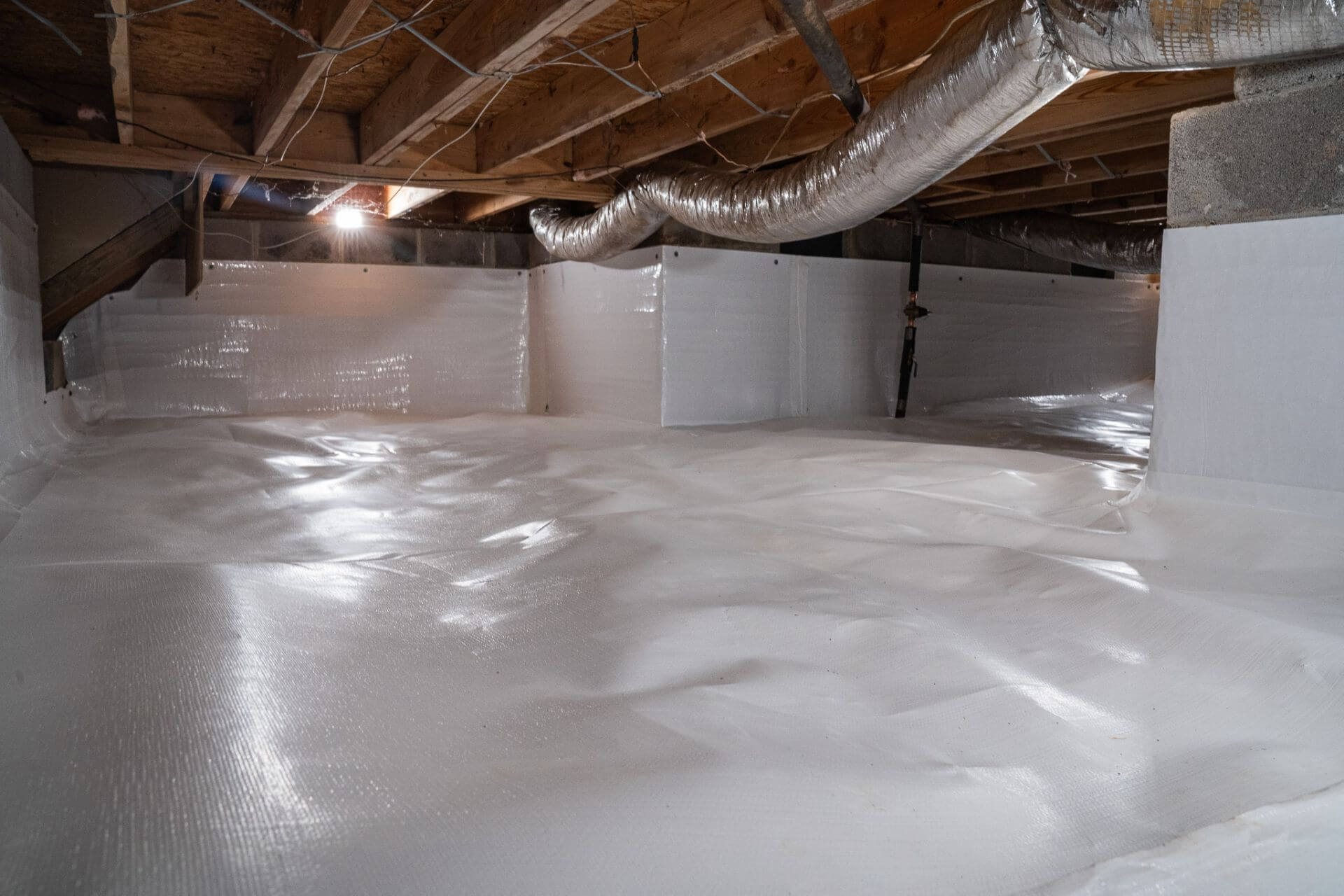




Crawl spaces in Alexandria, VA sit under a wide mix of homes, from historic properties near Old Town and the Potomac, to bungalows and split-levels in Del Ray, Rosemont, and beyond. High summer humidity, heavy rain, and mixed soils around the foundation can leave that space under your home damp, musty, and unprotected. Over time, that moisture can lead to mold, wood decay, sagging floors, and air on the first level that never feels fully dry.
’58 Foundations & Waterproofing provides crawl space repair and encapsulation services designed for Alexandria’s climate, soil, and housing stock. Whether you are already seeing signs of damage or want to stop problems before they reach your floors and living space, our team will inspect the crawl space, explain what is happening in clear terms, and design a repair or encapsulation system that protects both the structure and the air inside your home.
Alexandria sits on expansive marine clay, the same soil type that runs through much of Northern Virginia and has been a documented problem for builders and engineers in the region for decades. Marine clay absorbs water and swells when wet, then shrinks and cracks when it dries out. That cycle repeats with every rain event and every dry stretch, and it puts continuous stress on foundation walls, footings, and the crawl space structures attached to them.
The city's drainage geography makes the moisture problem harder to escape. Alexandria has five named waterways with active FEMA floodplain designations: the Potomac, Four Mile Run, Cameron Run, Holmes Run, and Hooff's Run. During a single storm in July 2019, the Cameron Run gauge at Alexandria rose nearly 12 feet in one morning. Four Mile Run has its own USGS monitoring station at Alexandria and has required Army Corps channelization since the 1970s to manage flash flooding. In the Four Mile Run watershed, roughly 40 percent of the land surface is covered by pavement and buildings, meaning heavy rain has almost nowhere to infiltrate. It runs off fast, saturates the clay soil around foundations, and raises the water table under homes near those corridors.
Summer humidity adds a third pressure that has nothing to do with rain. Alexandria's humid subtropical climate means the air from June through September carries enough moisture to cause condensation in any crawl space that is open to outside air. A crawl space with open vents, bare soil, and no vapor barrier becomes a collection point for that humidity, and in a long hot summer, wood framing, insulation, and floor joists can stay damp for months at a time without a drop of water ever entering through the foundation wall.
Most people in Alexandria, VA rarely climb into the crawl space, but the house still gives clues when that area is in trouble. Changes in smell, comfort, and how your floors feel can all point back to moisture and damage under the first level. The more of these you recognize, the more likely it is that the space beneath your home needs attention.
If your first floor smells like damp cardboard, soil, or an old basement, especially in certain rooms or near floor vents, air from the crawl space is probably drifting up into the living space. That smell usually comes from moist wood, exposed soil, and mold growth under the house, and in Alexandria’s humid summers, it tends to hang around long after the weather clears.
Floors that feel bouncy, sloped, or soft in particular spots can be a sign that the framing in the crawl space has started to weaken. When joists, beams, or support posts sit in a damp environment for too long, they can shift or lose strength, and that movement shows up as dips, ridges, or doors that no longer close the way they used to.
If you look into your crawl space and see fuzzy growth on wood, dark patches on joists, or areas where the surface of the lumber is flaking or breaking down, there is an ongoing moisture problem. Mold and wood decay develop when framing stays damp for long stretches of time, and over the years, they can compromise the strength of the structure that holds up your floors.
When the crawl space is wet, the air inside the house often feels heavier than it should. If the first floor still feels damp or sticky even with the air conditioning running, or fabrics and surfaces never seem to fully dry out, moisture from the crawl space may be feeding the problem and making the whole home harder to keep comfortable.
Any time you open the crawl space access and are met with a rush of warm, wet air, the space under your home is holding more moisture than it should. A dirt floor without a proper vapor barrier, open vents, or standing water can all load that area with humidity, which then works its way into insulation, wood framing, and the air above.
In cooler weather, the first sign many Alexandria homeowners notice is a cold floor. If the rooms above the crawl space feel noticeably colder at your feet than higher up, or certain sections of the floor are always chilly, the insulation under the house may be wet, missing, or hanging down. A damp, unsealed crawl space does a poor job of blocking outside air, and that shows up as uncomfortable floors in winter.
When the crawl space leaks moisture and air into the home, heating and cooling systems have to work harder to keep the temperature steady. Wet or fallen insulation, uncontrolled outside air, and constant humidity swings all push energy use up. If your bills have climbed and the first floor still does not feel right, it is worth looking under the house, not just at the thermostat.
Moist, sheltered crawl spaces are attractive to insects and small animals. Droppings, nests, chewed insulation, or trails of insects near the access door and around floor penetrations are all signs that pests are using that space. Once they are established, they can damage materials and make any future cleanup and repair more involved.
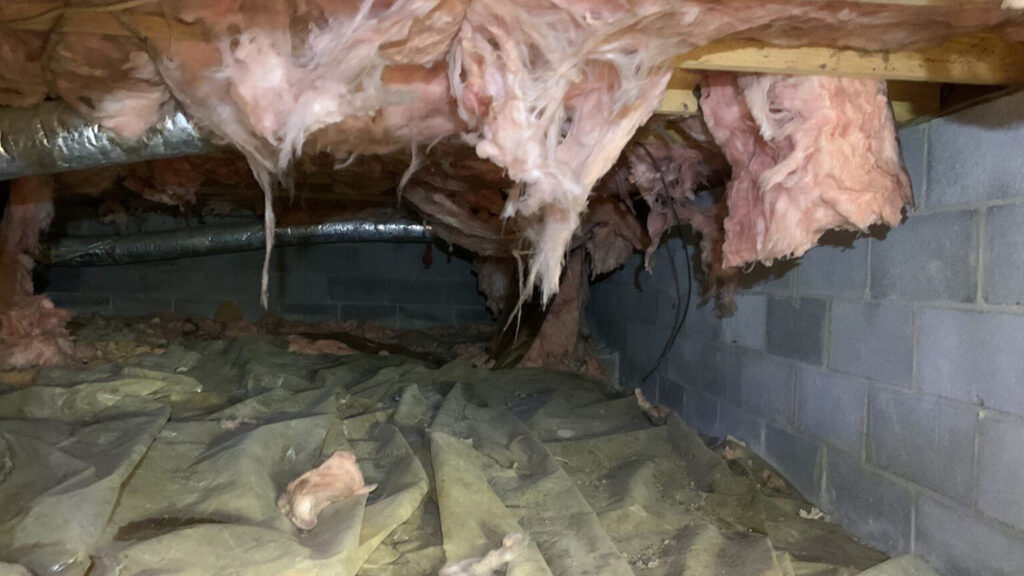
Insulation between the floor joists should sit tight to the subfloor. If you see batts sagging in heavy loops, hanging down, or lying on the ground, it usually means the material has absorbed moisture or been disturbed by pests. That sagging insulation no longer does its job, and it is a strong visual cue that the conditions in the crawl space have been wrong for a long time.
’58 Foundations & Waterproofing designs crawl space repair and encapsulation systems around the way Alexandria homes are built, and how moisture is getting under them. We look at drainage, soil, framing, and access, then build a plan that keeps the crawl space drier, supports the floors above, and makes the area easier to maintain over time.
When water collects along the inside of the foundation or across the crawl space floor, we can install interior drainage to capture and move it out. Drains are placed at low points around the perimeter and directed to a sump basin or outlet, so water has a defined route away from the home instead of soaking soil, wood, and insulation under your floors.
In crawl spaces that take on regular water, a sump pump system is often the key piece that keeps the area from flooding. We install sump basins at appropriate low spots, connect them to interior drains where needed, and size pumps so they can handle the water your home actually sees during storms. The goal is a crawl space where water is collected and discharged reliably instead of pooling and creating long-term moisture problems.
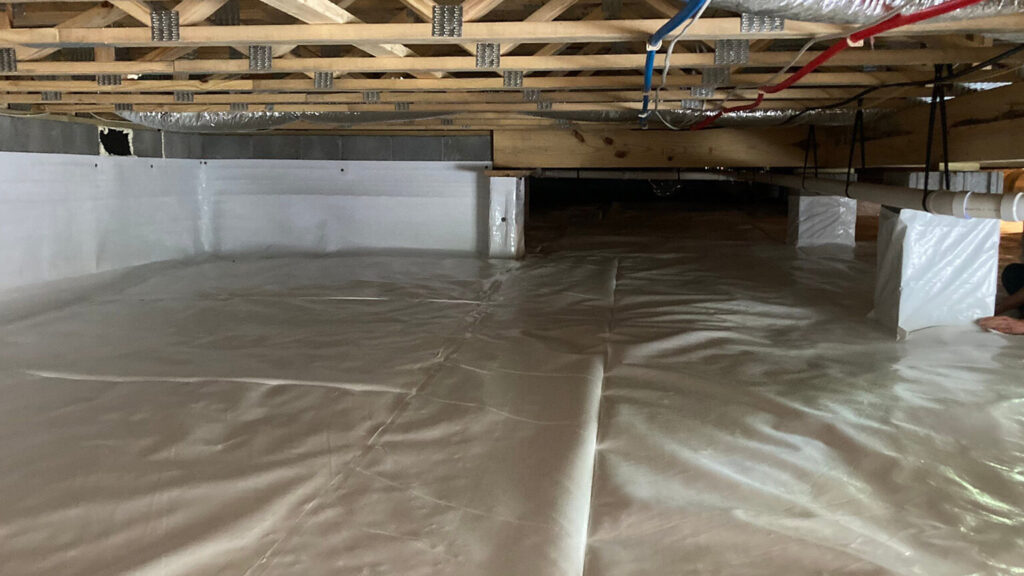
Encapsulations turn crawl spaces into controlled environments instead of an open, damp void. We install a heavy-duty vapor barrier over the soil and up the walls, seal seams and piers, and close off vents and gaps that let outside air and moisture in. In Alexandria’s climate, a properly encapsulated crawl space helps protect framing, limit mold growth, and make the first floor feel more comfortable throughout the year.
Even with a vapor barrier and sealed vents, some crawl spaces need active humidity control. We install crawl space dehumidifiers sized for the volume and layout under your home and set them up for automatic drainage, often into the sump basin or a dedicated line. Keeping humidity in a steady range helps preserve wood and insulation, supports better air quality, and reduces the musty conditions that tend to develop in damp crawl spaces.
When moisture and time have left floors feeling bouncy or uneven, we can use adjustable crawl space floor jacks and floor stabilizers to help support the structure from below. These systems are installed under sagging joists and beams to provide additional bearing and lift, helping to tighten up soft areas and reduce dips without major structural reconstruction. It is a targeted way to address floor movement that starts in the crawl space.
A dark crawl space makes inspections, maintenance, and even quick checks for leaks much harder than they need to be. As part of a repair or encapsulation project, we can add permanent crawl space lighting using durable LED fixtures and a layout designed to reach the corners of the space. With proper lighting and a remote-controlled setup, you or a technician can see what is happening under the house without relying on a flashlight or working in the dark.
Many pest problems under a home start with moisture. By drying and sealing the crawl space, adding drainage, dehumidification, and better visibility, we make the area less appealing to insects and small animals. A clean, dry, well-lit crawl space is easier to inspect, easier to maintain, and less likely to support the conditions that pests and mold both look for.
Learn more about our Basement Waterproofing solutions ›
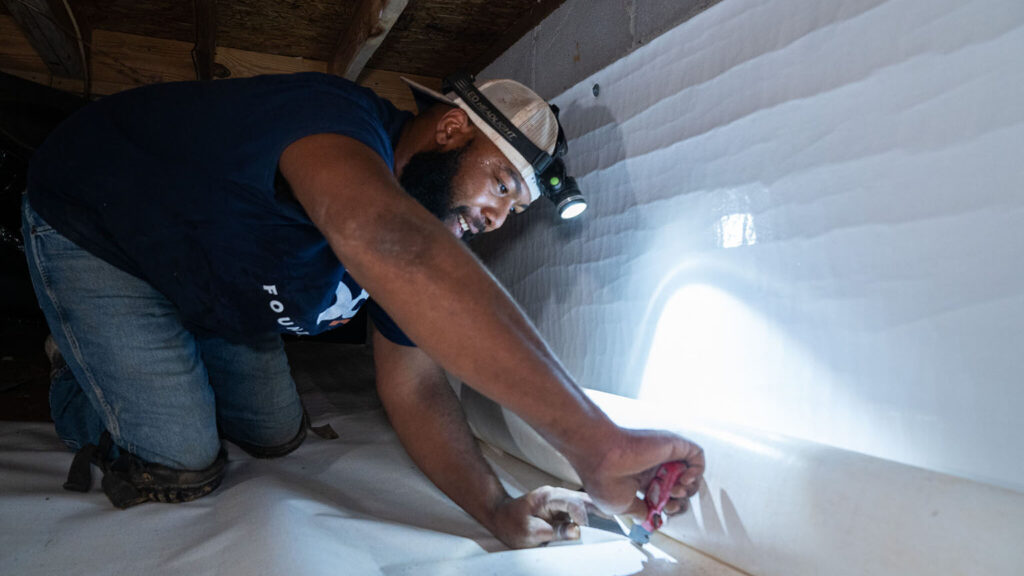
Crawl space repair costs in Alexandria vary based on what the inspection finds, not on package tiers or flat rates. A crawl space with a torn vapor barrier and moderate humidity is a different project than one with standing water, wood rot, and failed supports. The gap between those two situations is significant, and quoting a price range without seeing the space would not give you useful information.
A few conditions consistently affect scope and cost. Crawl spaces with active water intrusion typically require drainage and sump pump work in addition to encapsulation, which adds to the project. Widespread mold or wood rot means remediation and potentially structural repair before a vapor barrier can go in. Very low clearance spaces take longer to work in and require more careful material handling. Existing plastic sheeting, if it is torn or has been in place for decades, usually needs to come out before a proper system can be installed.
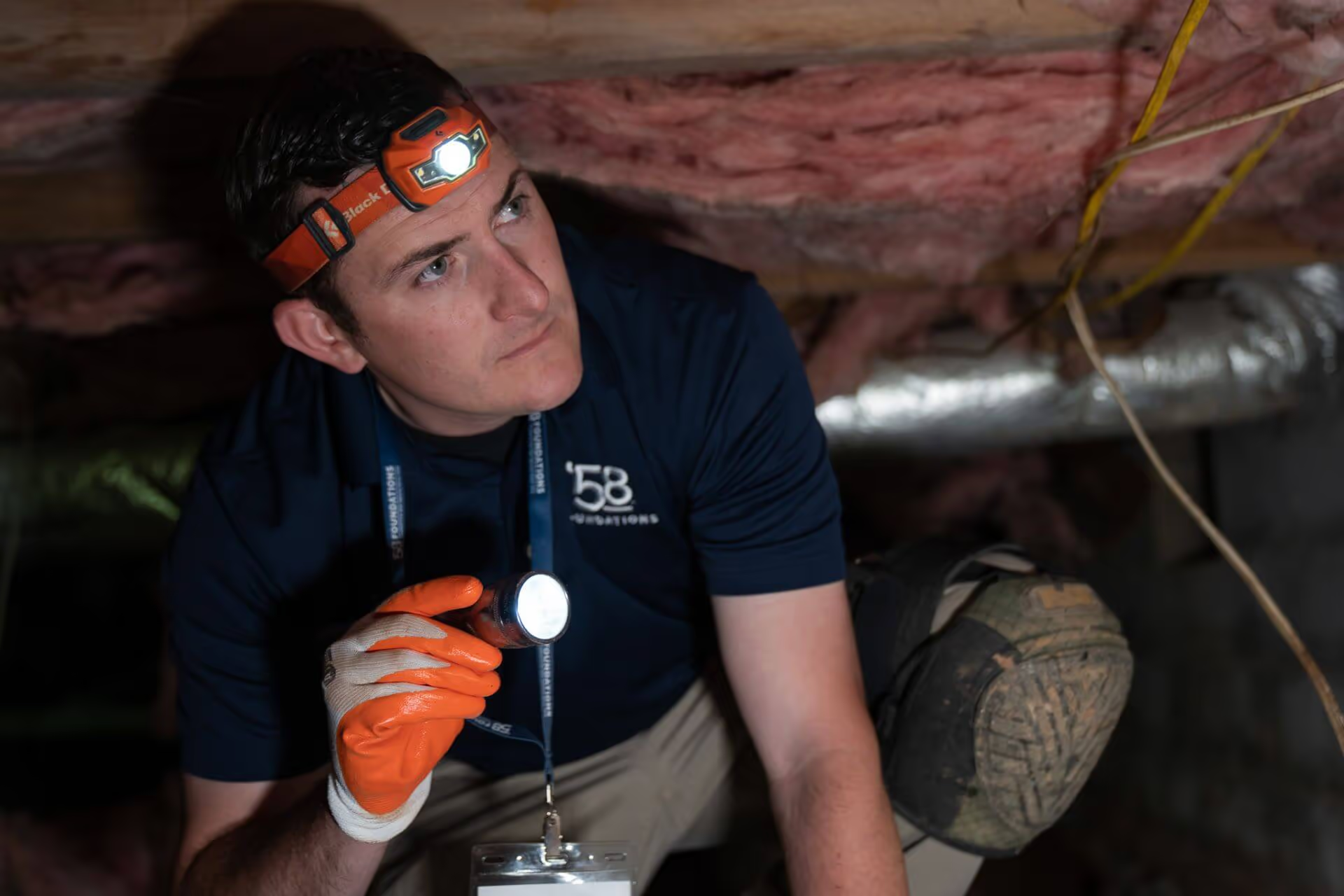
What does not change is the process. Every '58 Foundations job starts with a free inspection by a Certified Foundation Specialist who goes into the crawl space, documents conditions with photos, and walks through the findings with you before any work is proposed. The written estimate covers scope, materials, and labor in plain language. There is no pressure to commit on the day of the inspection, and no work begins until you understand exactly what is being done and why.
'58 Foundations & Waterproofing has been encapsulating crawl spaces across Alexandria, from Old Town to the West End, for over 65 years. Damp, unsealed crawl spaces can leave first-floor rooms colder, air heavier, and floors less solid than they used to be, and our crews have seen every variation of that problem across this city's housing stock.
When you schedule a crawl space inspection, a Certified Foundation Specialist goes into the space for you, documents what they find, and then sits down to walk through the photos and conditions step by step. You see where the moisture is coming from, how it is affecting framing, insulation, and air, and what an encapsulation system would look like in your specific crawl. The proposal is written in plain language, with clear pricing and scope, so you understand the work before you decide whether to move ahead. There is no push to decide on the spot.

'58 Foundations & Waterproofing has inspected and encapsulated crawl spaces across Alexandria for over 65 years. Every inspection is free, every estimate is written, and there is no obligation to move forward. The sooner you know what is under your home, the more options you have. Schedule your free inspection today.

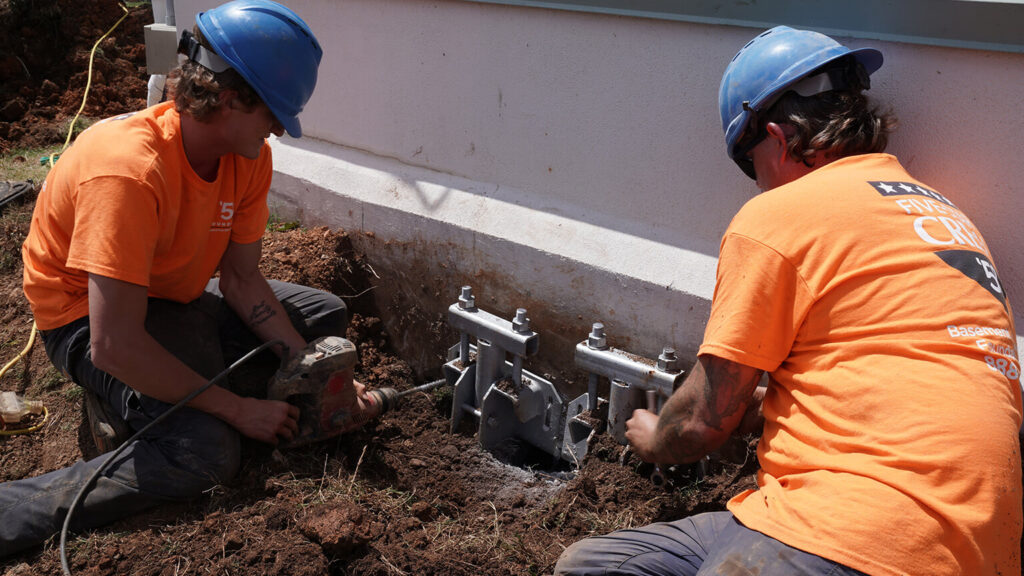
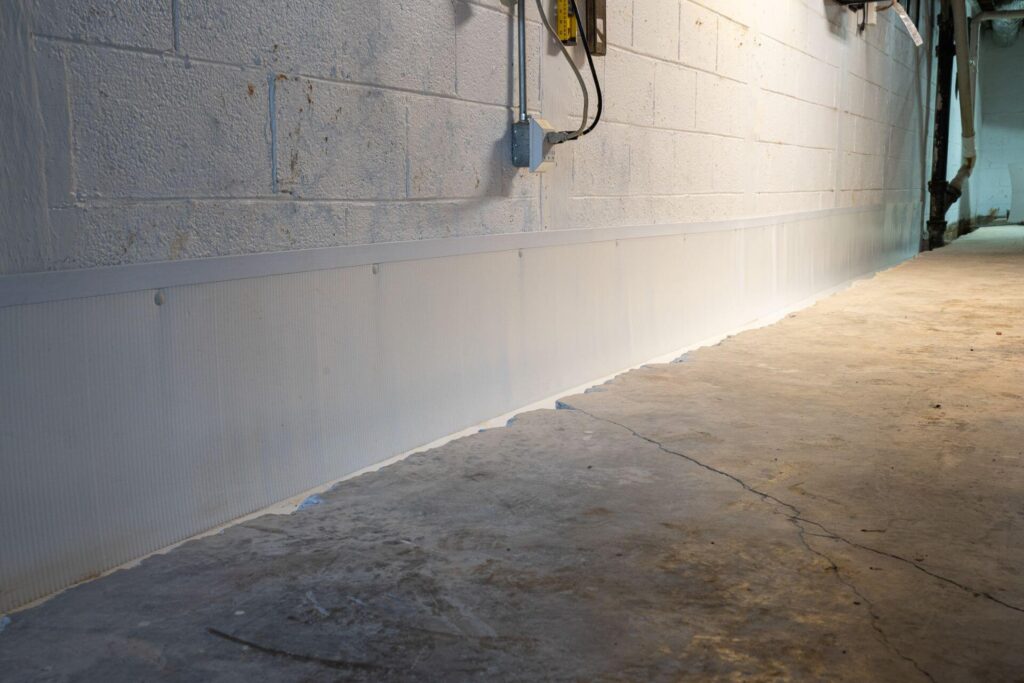
Alexandria Basement Waterproofing
We respect your privacy. By submitting, you authorize '58 Foundations and Waterproofing to reach you via call, email or text for information about your project needs. We will never share your personal information with third parties for marketing purposes. You can opt out at any time. Message/data rates may apply. Consent is not a condition of purchase. Privacy Policy