
Free Estimate
888-698-1958
Call for Priority Scheduling
888-698-1958
Call for Priority Scheduling
Book Online
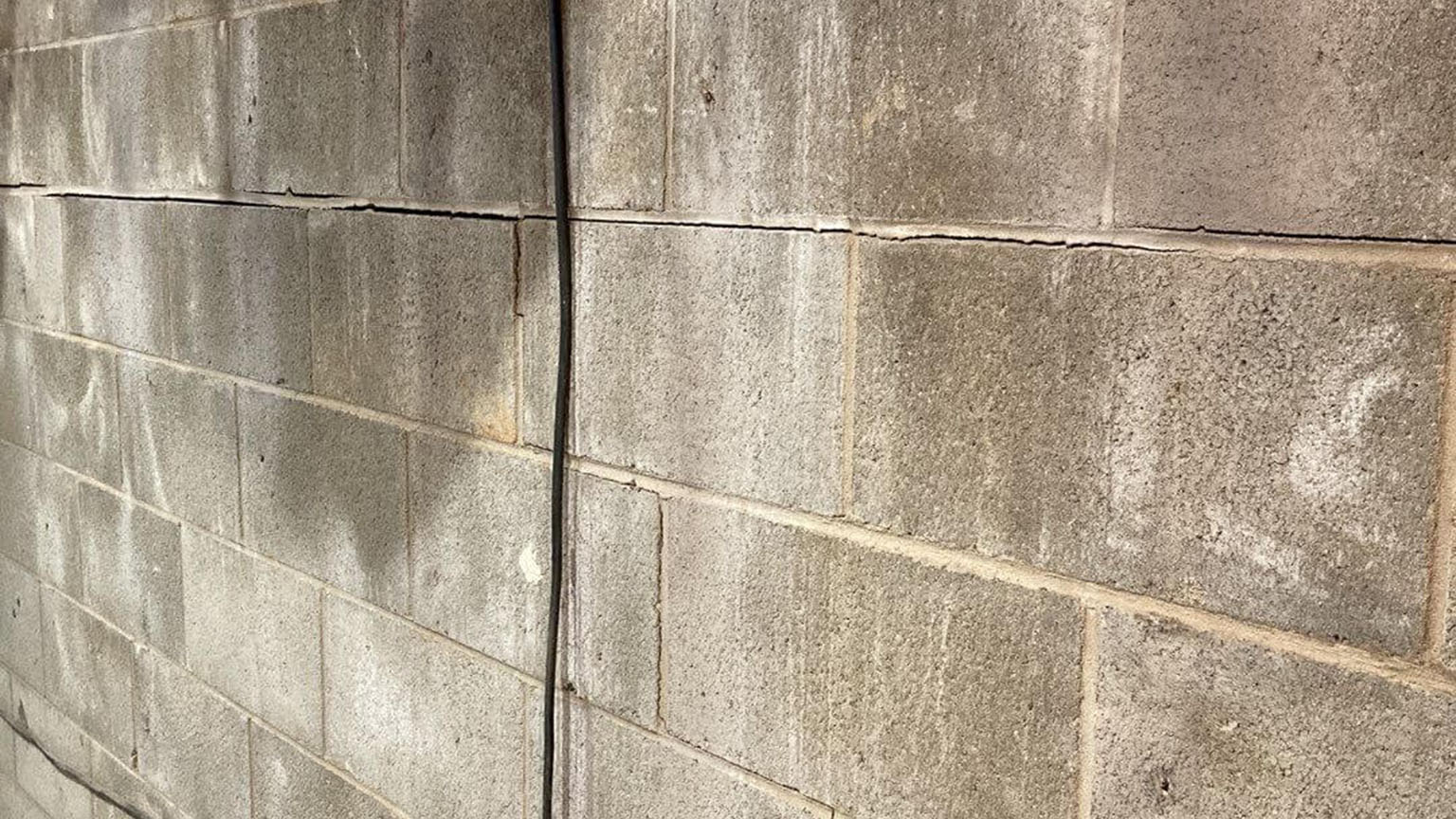
Homeowners often blame a crack in the wall or a sticking door on something they’ve heard a hundred times: “Oh, the house is just settling.” But in most cases, it’s not your home that’s moving, it’s the soil underneath it. When the ground shifts, sinks, or washes away, your foundation loses its support. That’s when real structural problems begin.
Understanding the true cause of foundation damage is the first step to protecting your home. And it starts with learning how soil behaves and why it matters.
Your home is built to be stable. Its foundation is engineered to carry the weight of the structure above it. But the soil beneath that foundation isn’t always so dependable. Over time, changes in the moisture content, composition, or compaction of the soil can cause it to expand, contract, or erode.
Some of the most common reasons soil shifts include:
Your house isn’t settling because it’s old, it’s reacting to the environment it was built on. And when that environment becomes unstable, your foundation follows.
Think of it like placing a heavy object on a sponge. When the sponge is dry, it shrinks and pulls away from the weight. When it’s soaked, it softens and compresses under pressure. The ground beneath your home works the same way. As the soil dries out, gets saturated, or erodes, the weight of your home starts to shift, and cracks, uneven floors, and structural stress follow.
Your foundation depends on consistent, even support. But when the soil underneath begins to change, shrinking, swelling, or washing away, it creates pockets of instability. Over time, this uneven support puts strain on your foundation, causing it to crack, tilt, or sink in sections.
Here’s how that plays out:
Most homeowners don’t notice the soil changes happening beneath their feet. What they do notice is the damage it causes: sticking doors, cracked brick, gaps between walls and ceilings, or an uneven floor that seems to have appeared overnight.
Soil movement beneath your foundation often starts small, but over time, your home will begin to show signs that something isn’t right. You might notice a thin crack forming above a doorway or a window that suddenly won’t shut all the way. Floors may start to feel uneven, or a once-flush baseboard might pull away from the wall. Outside, brickwork can split or shift, and concrete surfaces like your driveway or patio may begin to sink or tilt.
These changes might seem small at first, but they often point to a much larger issue: unstable ground that’s no longer supporting your home the way it should. The longer those soil problems are left unaddressed, the more damage they can cause, not just to your foundation, but to the comfort, safety, and value of your home.
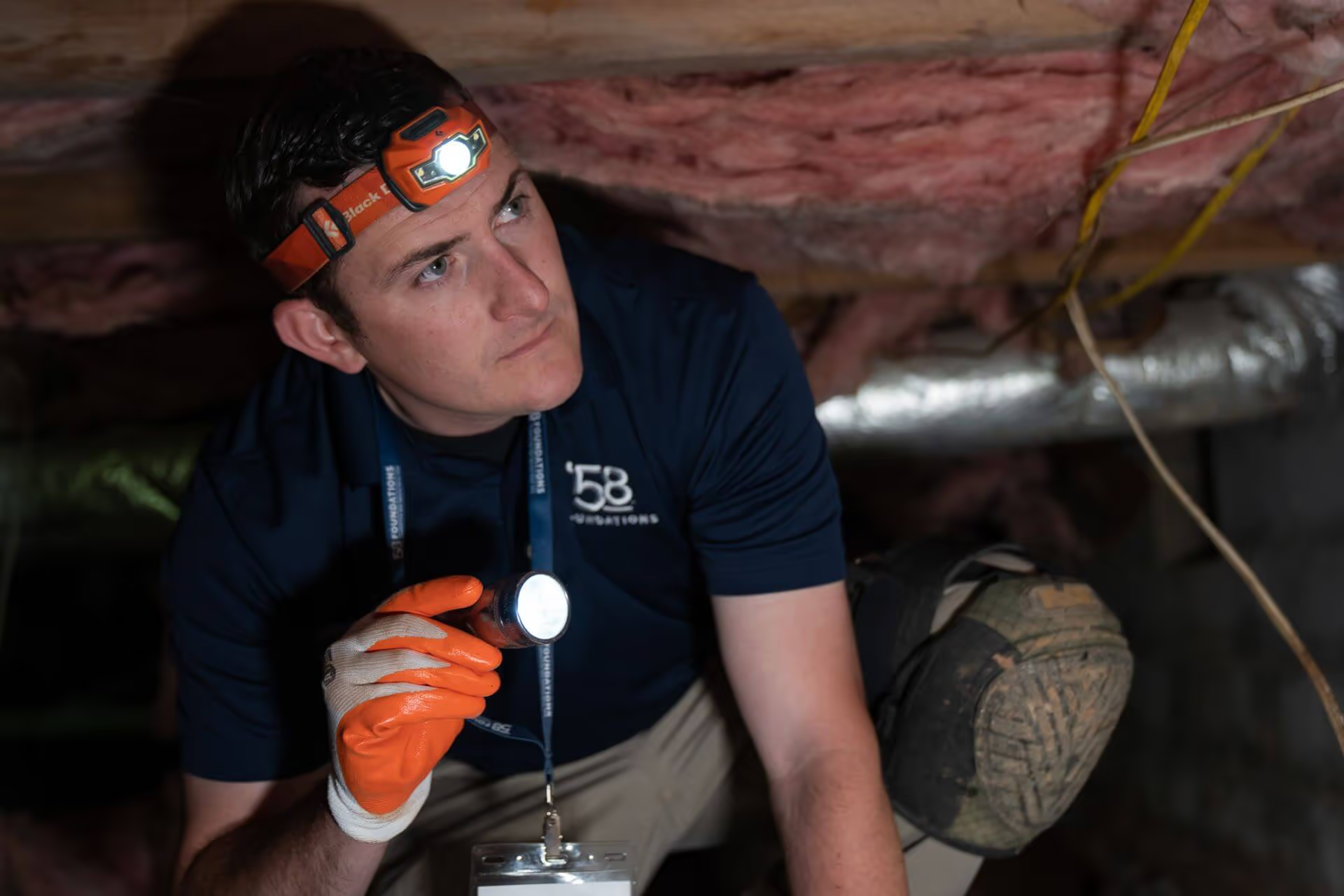
At ’58 Foundations & Waterproofing, we understand that the stability of your home depends on the soil beneath it and that no two homes experience the same soil challenges. That’s why our first step is always a careful inspection. We look beyond the surface symptoms to pinpoint exactly why your foundation is shifting or cracking, whether it’s shrinking clay soil, poor drainage, or erosion under concrete slabs.
Once we’ve diagnosed the issue, we create a custom solution built around your home’s needs. That might mean installing foundation supports to stabilize weak soils, improving yard drainage to control water intrusion, or sealing vulnerable areas like crawl spaces and basements to prevent future moisture problems. Every repair we make is designed for long-term protection, backed by the guarantees homeowners across the Southeast have trusted for decades.





We respect your privacy. By submitting, you authorize '58 Foundations and Waterproofing to reach you via call, email or text for information about your project needs. We will never share your personal information with third parties for marketing purposes. You can opt out at any time. Message/data rates may apply. Consent is not a condition of purchase. Privacy Policy