
Free Estimate
888-698-1958
Call for Priority Scheduling
888-698-1958
Call for Priority Scheduling
Book Online
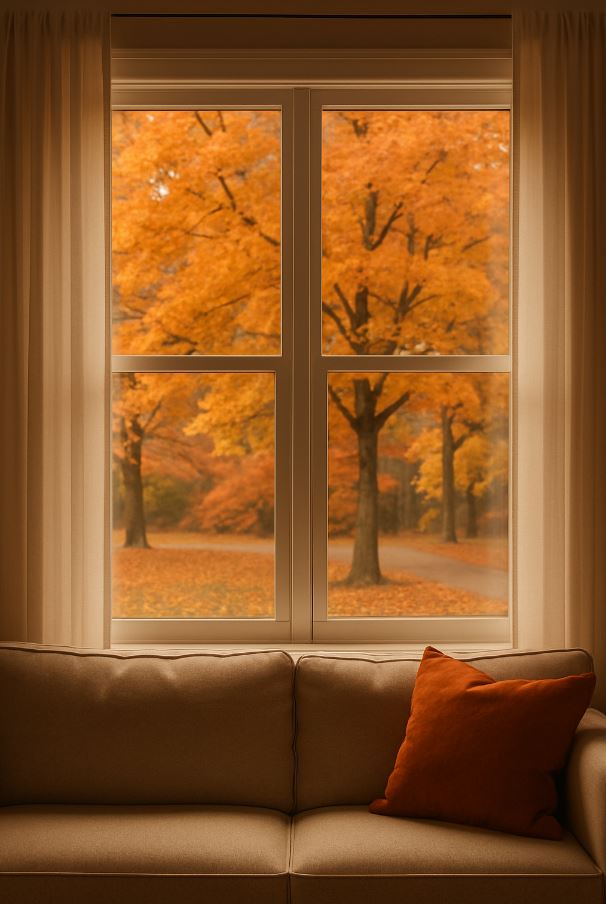
When temperatures drop and windows stay shut, most homeowners focus on comfort, warmth, and energy savings. But in sealing out the cold, many unintentionally seal something else in: radon gas.
Invisible and odorless, radon can build up inside homes during the colder months, especially in basements or crawl spaces. Without regular ventilation, the air inside your home has nowhere to go, and that’s when radon becomes a silent risk.
When a home is sealed up for winter, the normal airflow between indoors and outdoors slows down or stops entirely. That might be great for your energy bill, but it also means any gases entering from the ground, like radon, can build up more quickly.
There’s also a natural pressure difference at play. As warm air rises and escapes through the upper levels of your home, it pulls cooler air from the ground below. This is called the stack effect, and during colder months, it can actively draw more radon into your basement or crawl space.
Combine that with poor ventilation and heavy soil saturation from snow or rain, and winter becomes one of the riskiest times of year for elevated radon levels, especially in homes with unfinished basements or exposed crawl spaces.
Most household problems give you something to notice: a smell, a sound, a leak, a crack. Radon doesn’t. It doesn’t stain your drywall or drip from the ceiling. It moves silently through the soil and lingers in the air below your home.
That’s what makes it so dangerous. Radon exposure happens slowly, over months or years. There are no physical symptoms until the damage is already done. And in colder weather, the gas has nowhere to go, especially in basements and crawl spaces with poor airflow.
If your home sits on clay-rich soil, has an unfinished lower level, or traps humidity, you may be creating the perfect conditions for radon to build up without even knowing it.
Once radon enters a home, it doesn’t leave on its own. Opening a window here or there might help in the summer, but in winter, that’s not a practical solution, especially when the gas is entering from below.
That’s where a radon mitigation system comes in. It doesn’t remove radon from the ground; it reroutes it. A properly installed system creates negative pressure beneath your foundation or crawl space, pulling radon gas into a sealed pipe and venting it safely outside before it ever reaches your living space.
It’s not something you’ll hear or feel working, but it’s running all the time, quietly protecting your home while the rest of the world is sealed tight against the cold.
Winter is when radon has the best chance to build up unnoticed, but it’s also the best time to do something about it. If your home has a basement, a crawl space, or sits on soil known to release radon, this season is when the risk is highest.
Whether you’ve already confirmed elevated levels or just want to stay ahead of the problem, a radon mitigation system can help keep your home safer year-round. And when it comes to protecting your home’s air, it pays to work with a contractor who understands the structure beneath it.
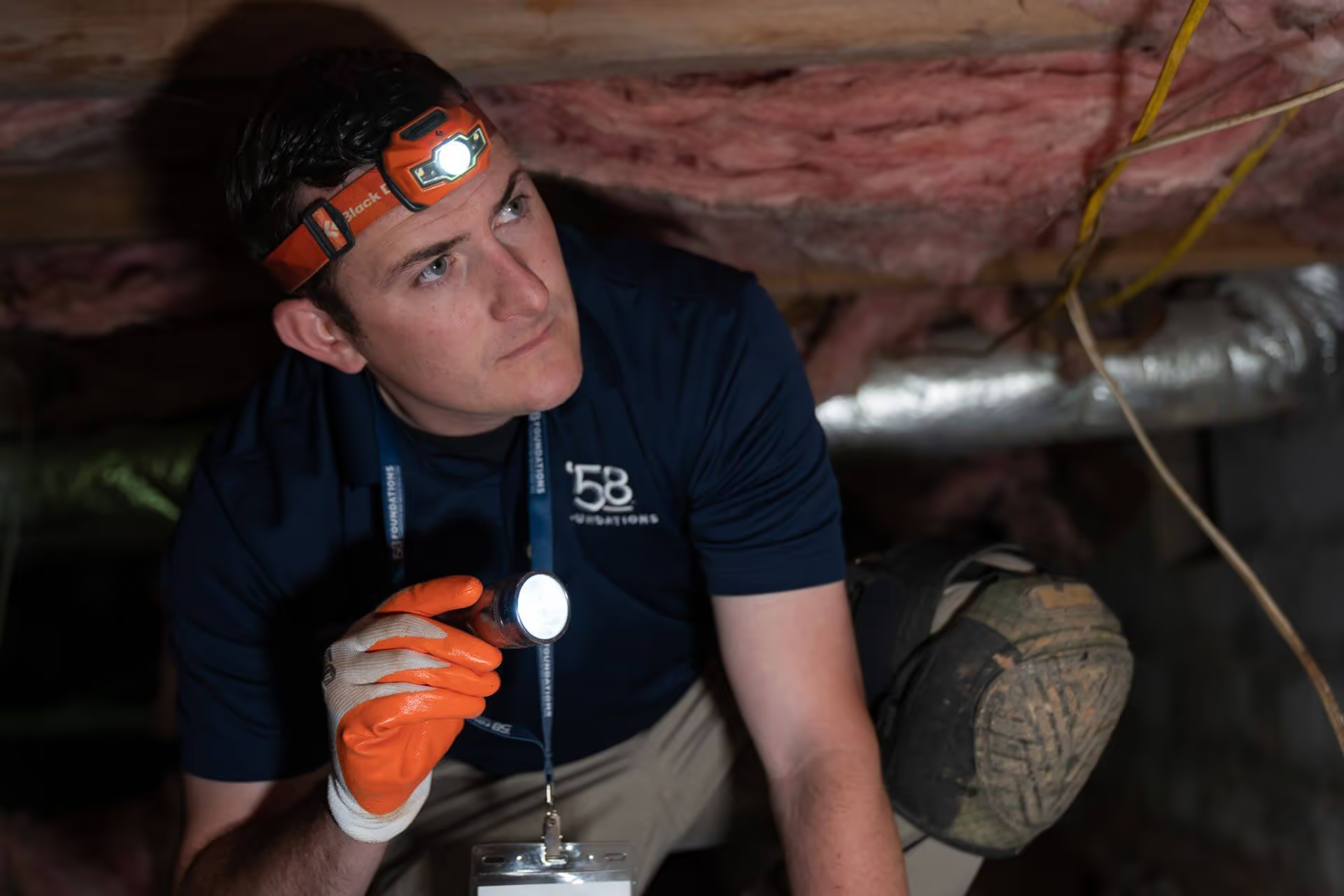
At ’58 Foundations & Waterproofing, we install radon mitigation systems built for homes like yours, because healthy air starts from the ground up.





We respect your privacy. By submitting, you authorize '58 Foundations and Waterproofing to reach you via call, email or text for information about your project needs. We will never share your personal information with third parties for marketing purposes. You can opt out at any time. Message/data rates may apply. Consent is not a condition of purchase. Privacy Policy