
Free Estimate
888-698-1958
Call for Priority Scheduling
888-698-1958
Call for Priority Scheduling
Book Online
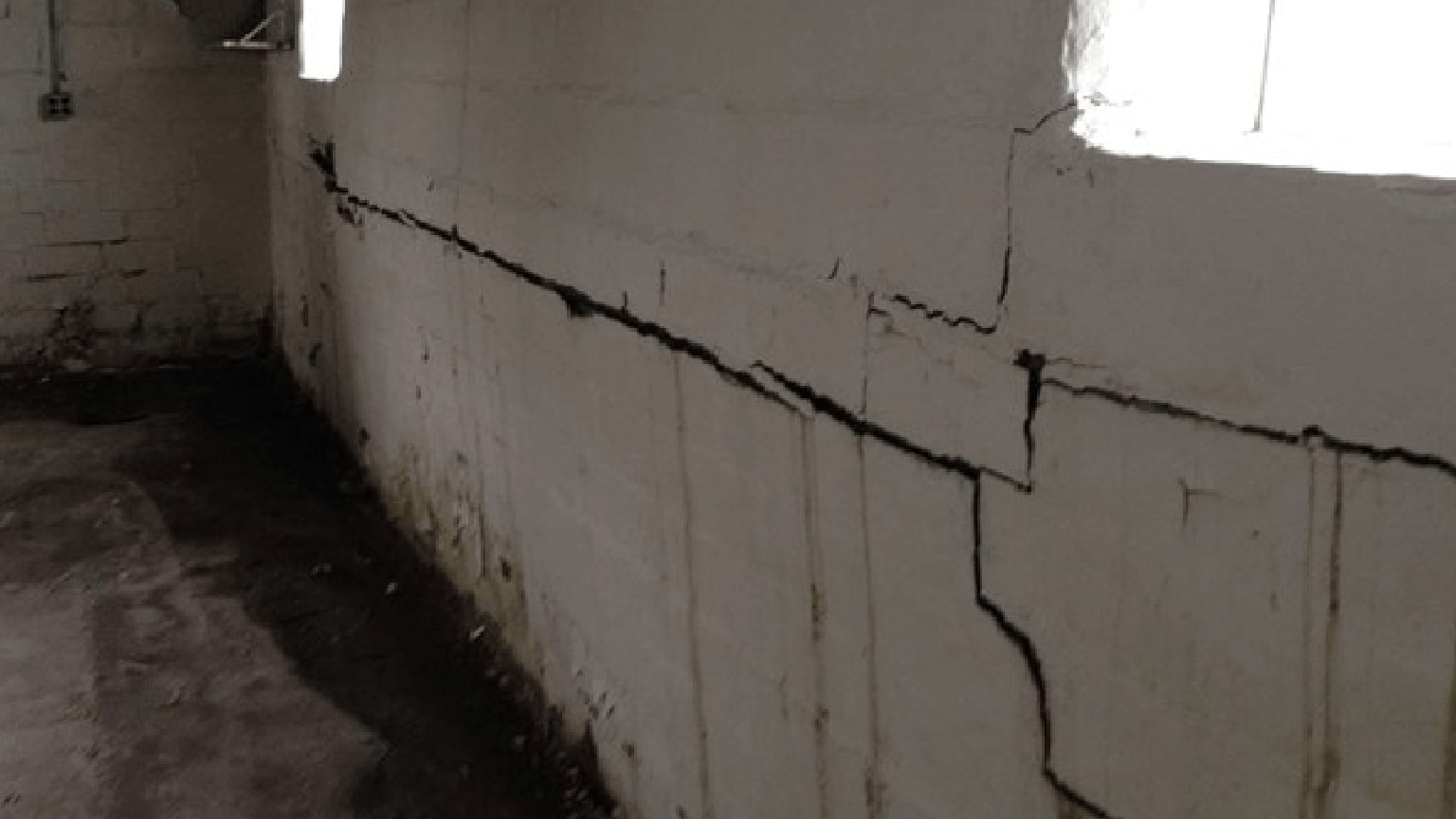
Finding a crack in your basement wall can be unsettling. It raises questions no homeowner wants to face: Is it serious? Will it get worse? Is my foundation in trouble?
The truth is, some cracks are harmless, but others are a sign that your home is shifting, settling, or under pressure. Knowing the difference can save you time, money, and stress. In this blog, we’ll walk you through the most common causes of wall cracks, what they might mean, and when it’s time to bring in a foundation repair expert.
Basement walls are constantly under pressure. The soil outside, the moisture in the ground, and even the way the home was built can all play a role. Over time, that pressure creates stress points in your foundation that may lead to cracking.
Here are some of the most common reasons cracks appear:
These issues may not always mean a major problem, but they do mean your home is reacting to outside forces. The sooner you understand what those forces are, the better chance you have of avoiding expensive repairs later.
Not all basement wall cracks are created equal. Some are surface-level blemishes that come with age, while others are early warning signs of deeper issues. Knowing what kind of crack you're looking at can help you decide whether it's something to watch or something that needs immediate attention.
These are thin, shallow cracks that often show up as concrete cures or as minor settling occurs. They’re usually cosmetic and don’t signal structural damage, but they should still be monitored over time.
Vertical cracks are common and often caused by foundation settlement. If they’re thin and stable, they may not be urgent. But if you see signs of moisture, widening, or new movement, it’s time to get them checked out.
Horizontal cracks are more serious. These often mean that the soil outside your foundation is pressing inward with too much force. If you see a horizontal crack, especially one in a block wall, it could be a sign that your wall is beginning to bow or fail.
These follow the mortar joints in block or brick walls and are usually a sign that the foundation is shifting or settling unevenly. Stair-step cracks often appear near corners and can spread as pressure builds.
If a crack is getting wider over time or seems to be splitting in both directions, it’s a strong indication that your foundation is moving. This kind of change is rarely cosmetic and should be evaluated right away.
No matter the type, a crack that changes over time or appears alongside other warning signs, like moisture, bowing walls, or musty smells, deserves a professional look.
Some cracks are small and stay that way. Others are the first sign of a foundation issue that could get worse with time. So how do you know when it’s time to bring in a professional?
Here are a few clear warning signs that it’s more than just cosmetic:
Even if you’re not sure whether a crack is serious, it’s always better to have a trained eye take a look. A quick inspection today can give you peace of mind and potentially prevent major repairs down the road.
At '58 Foundations & Waterproofing, we believe in helping homeowners understand what’s really going on with their foundation. That starts with a detailed inspection from one of our Certified Foundation Specialists.
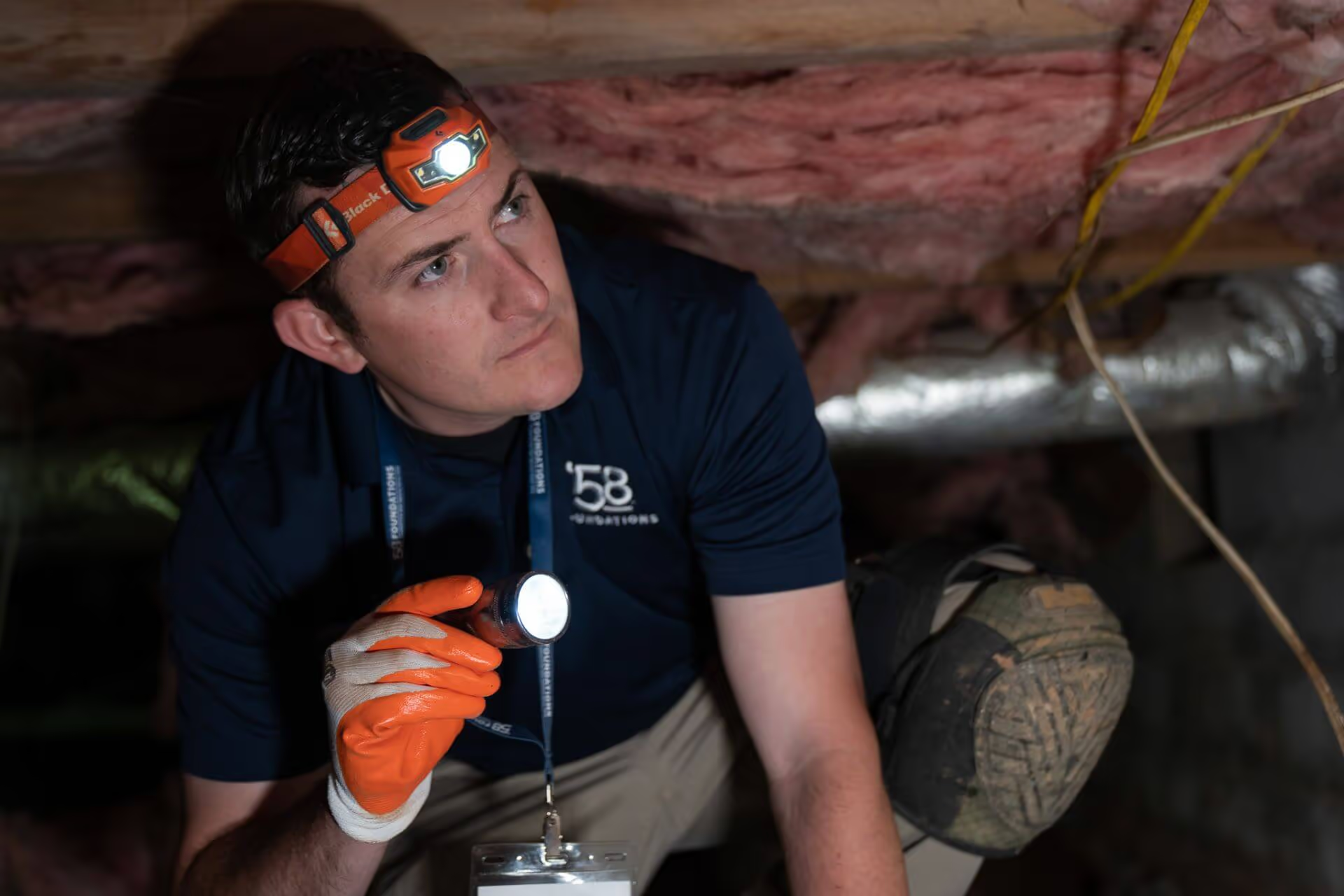
Our specialists are trained to spot the difference between harmless cosmetic cracks and signs of structural damage. They’ll walk through your basement with you, explain what they see, and offer honest recommendations based on your home; not a generic checklist.
If repairs are needed, we’ll lay out your options clearly. Whether it’s carbon fiber reinforcement, wall anchors, or another repair solution, we’ll explain why it fits your situation and how it will protect your home for the long haul.
And if your home qualifies, you’ll have the added peace of mind that comes with our Life-of-the-Structure Warranty.
No pressure. No upselling. Just answers.
If you’ve noticed cracks in your basement walls or if something just doesn’t feel right, it’s time to get answers from a team you can trust. At '58 Foundations & Waterproofing, we’ve helped thousands of homeowners protect what matters most, using repair methods backed by real experience and real results.
Your inspection is free. There’s no pressure to commit, no cookie-cutter solutions, and no guesswork. Just a clear explanation of what’s happening with your foundation and what it will take to fix it.
Contact us today to schedule your inspection with a Certified Foundation Specialist. Let’s find the right solution for your home, your timeline, and your peace of mind.





We respect your privacy. By submitting, you authorize '58 Foundations and Waterproofing to reach you via call, email or text for information about your project needs. We will never share your personal information with third parties for marketing purposes. You can opt out at any time. Message/data rates may apply. Consent is not a condition of purchase. Privacy Policy