
Free Estimate
888-698-1958
Call for Priority Scheduling
888-698-1958
Call for Priority Scheduling
Book Online
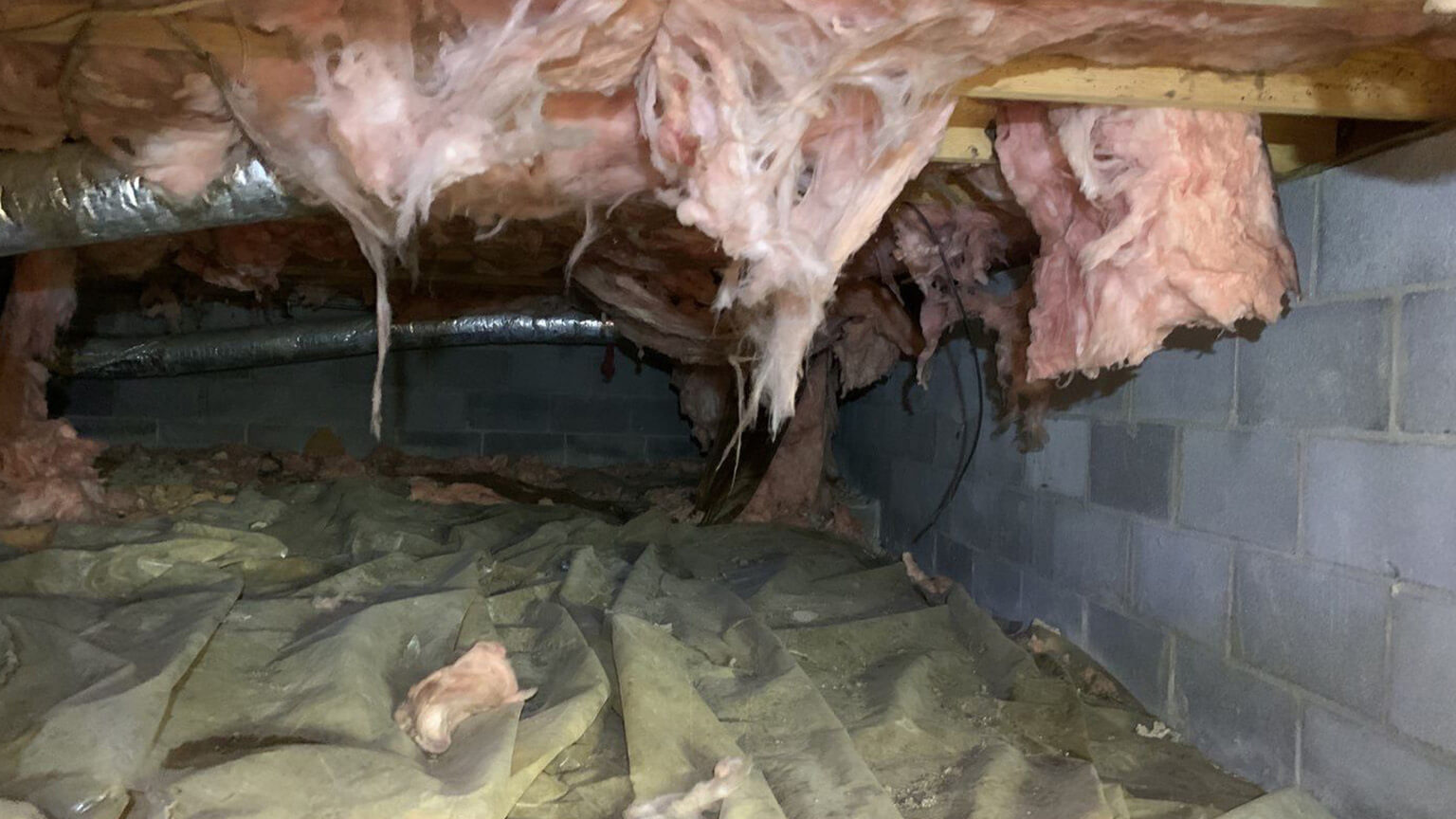
Most homeowners don’t think much about the air in their home until something starts to feel off. Perhaps it’s a headache that only appears indoors. A smell in the basement that never really goes away. Or a family member who always seems to breathe easier outside than in.
Often, the problem isn’t something you can see. It’s something you’re breathing.
Volatile Organic Compounds, or VOCs, are invisible gases released by common materials throughout your home. They’re more concentrated in places like basements and crawl spaces, where airflow is poor and moisture hangs in the air. And while they might not sound like a big deal, VOCs can affect everything from your comfort to your long-term health.
At ’58 Foundations & Waterproofing, we’ve spent decades protecting homes from water, mold, and structural damage. But just as important is the environment inside, where your family eats, sleeps, and breathes. Here’s what you need to know about VOCs, why your home’s lower levels matter, and what you can do about it.
VOCs are gases released into the air by certain materials, often without you even realizing it. The full name is “volatile organic compounds,” but don’t let the word “organic” fool you. In this case, it just means the compounds are carbon-based, not natural or healthy. Many VOCs come from man-made products, and some can be harmful in high amounts.
You’ll find them in paints, wood finishes, cleaning products, adhesives, insulation, carpet, and even furniture. If you’ve ever caught a whiff of that “new carpet” or “fresh paint” smell, that’s a sign of VOCs being released into the air.
The problem is that these gases don’t just disappear. In areas with poor ventilation, like basements and crawl spaces, they tend to build up over time. You may not see or smell anything, but you could still be breathing in low levels of chemicals every day.
VOCs are released by a wide range of materials and products found in most homes. Some are obvious, like paints or strong cleaning sprays. Others are quietly built into the house itself.
Common sources include:
Many of these items are tucked away in crawl spaces or basements, places we rarely think about but where moisture and time can cause materials to off-gas more quickly.
And because these areas often have poor ventilation, VOCs don’t just release into the air; they accumulate.
They might not smell strong or obvious at first. But over time, they can linger, build up, and slowly find their way into the air you breathe upstairs.
Crawl spaces and basements are some of the most overlooked areas in a home, but they have a bigger impact on your air quality than most people realize. These lower levels are often where VOCs are most likely to gather and go unnoticed.
Why?
Because they tend to be:
But the real issue isn’t that these gases stay down there. It’s that they don’t.
Through a process called the stack effect, air from your crawl space or basement naturally rises into the rest of your home. So even if you never step foot in those areas, the air you’re breathing upstairs may have started down below, carrying with it moisture, musty odors, or chemical traces from VOCs.
It’s one of the reasons homeowners might say:
These spaces don’t just store clutter; they set the tone for your home’s air.
Not everyone reacts to VOCs the same way. Some people might notice symptoms right away, while others only feel the effects after long-term exposure. It depends on your sensitivity, the amount of VOCs in the air, and how well your home is ventilated.
But even at low levels, VOCs can cause noticeable problems, especially in enclosed spaces.
Common symptoms include:
In homes with high humidity or poor ventilation, these symptoms can become more persistent. People with asthma, allergies, or other respiratory conditions may be even more affected.
And while the occasional exposure isn’t usually dangerous, long-term contact with high levels of VOCs has been linked to more serious health concerns, especially when combined with mold, dust, or other indoor air pollutants.
If you’ve ever wondered why your home doesn’t feel quite right, even when it looks clean, VOCs may be part of the reason.
VOCs are invisible. They don’t leave behind puddles or cracks. But they can still show up, through smells, symptoms, or that nagging sense that something in your home just feels… off.
Here are some common signs that VOCs could be building up in your crawl space, basement, or living areas:
You don’t need to check every box to have a problem. Often, it’s just one or two things that add up over time and leave you searching for answers.
If you’re starting to suspect VOCs are part of what’s going on in your home, the next steps don’t have to be complicated. In many cases, it starts with controlling the environment, especially in the areas you don’t think about often.
Moisture is one of the biggest triggers for VOC release. When building materials like wood, insulation, or adhesives are exposed to damp conditions over time, they tend to break down faster and release more gases into the air. That’s why basements and crawl spaces are such common trouble spots. Drying them out and keeping them dry can make a real difference.
Encapsulation and waterproofing systems help reduce that ongoing moisture. By sealing off the ground with a vapor barrier and preventing water intrusion, you’re limiting one of the key conditions that allow VOCs to build up. Even if those gases aren’t fully eliminated, the space becomes more stable, and that’s a step in the right direction.
It’s also worth taking a close look at what’s being stored in those areas. Old paint cans, cleaners, solvents, or treated wood can all release fumes even when sealed. Removing what you can, or at least isolating it from the open air, may help.
For homes with more serious air quality concerns or if symptoms are ongoing, it may be helpful to talk with an indoor air quality specialist. Testing equipment can sometimes pinpoint the source of specific gases or contaminants to guide you toward more specialized remediation if needed.
But for many homeowners, the first meaningful step is simply this: dry the space, seal out what doesn’t belong, and stop the environment from working against you.





We respect your privacy. By submitting, you authorize '58 Foundations and Waterproofing to reach you via call, email or text for information about your project needs. We will never share your personal information with third parties for marketing purposes. You can opt out at any time. Message/data rates may apply. Consent is not a condition of purchase. Privacy Policy