
Free Estimate
888-698-1958
Call for Priority Scheduling
888-698-1958
Call for Priority Scheduling
Book Online
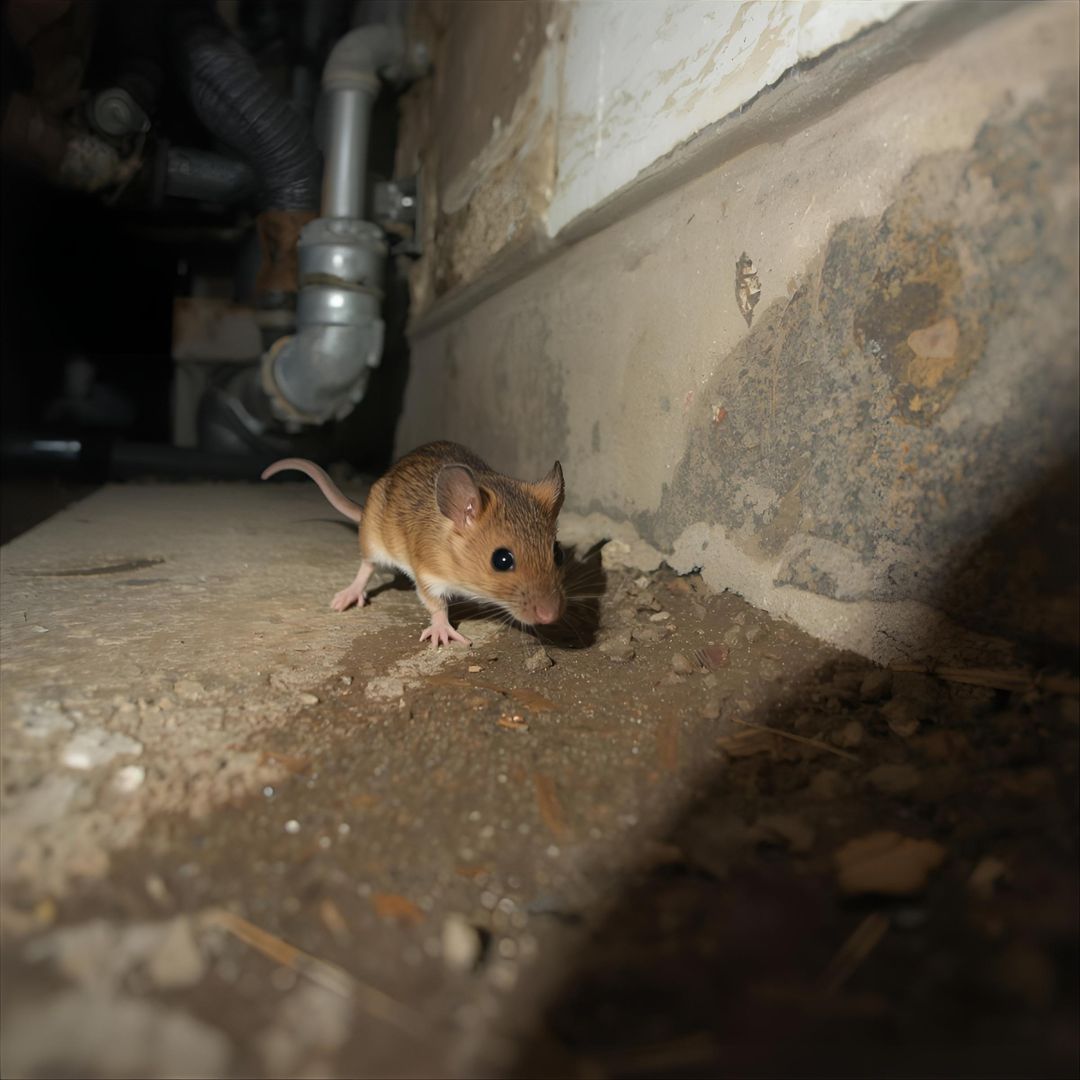
The warm, humid climate that makes this part of the country so livable also creates ideal conditions for pests beneath your home. A vented, unencapsulated crawl space gives insects and rodents exactly what they need: dark shelter, moisture, and in many cases, a direct path into the living space above. The pests that find their way in aren't random. They're drawn there by specific conditions, and they cause specific kinds of damage that gets worse the longer they go unaddressed.
Subterranean termites are the most destructive pest a Carolina homeowner can deal with, and crawl spaces are their preferred entry point. These termites require moisture to survive, so a damp, vented crawl space with exposed wood is an ideal environment. They build mud tubes along foundation walls to travel between the soil and the wooden framing above, and they consume wood from the inside out, leaving the surface largely intact while hollowing out floor joists and beams beneath it. A colony of 60,000 workers can consume a foot of two-by-four lumber in roughly four months. Because the damage happens out of sight and subterranean termites rarely emerge except to swarm, infestations can go undetected for years before structural problems become obvious.
Carpenter ants are common throughout both states, particularly in homes with any moisture damage in the crawl space. Unlike termites, they don't eat wood. Instead, they excavate smooth galleries inside it to build their nests, hollowing out floor joists and beams over time. They're drawn specifically to wood that has already been softened by moisture or rot, which means a damp crawl space gives them exactly the conditions they need to establish a colony. As the colony grows, carpenter ants push further into the structure and eventually into the living spaces above.
Fire ants are a consistent presence across North and South Carolina, and while they're most associated with outdoor mounds, they do establish colonies in crawl spaces. They enter through foundation cracks, open vents, and gaps around pipes, and they're aggressive enough that a crawl space inspection becomes genuinely hazardous once a colony has moved in. For homeowners with children or pets, fire ant activity near or beneath the home is a serious concern.
Mice and rats are year-round problems in Carolina crawl spaces, particularly during cooler months when they seek shelter. A damp, vented crawl space provides water, warmth, and nesting material in the form of insulation and debris. Rodents chew through electrical wiring, HVAC components, and vapor barriers, and their urine and droppings contaminate the air beneath the home. Because the stack effect pulls air from the crawl space upward into the living areas, whatever rodents leave behind doesn't stay below the floor.
The American cockroach thrives in warm, humid environments, and crawl spaces in the Carolinas fit that description for much of the year. They enter through vents, foundation gaps, and plumbing penetrations, and they breed quickly in undisturbed, damp conditions. Cockroaches carry bacteria on their bodies and leave droppings and shed skin behind that contribute to poor indoor air quality and can trigger allergy and asthma symptoms in sensitive individuals.
Wood-boring beetles are less talked about than termites but cause significant structural damage in Carolina crawl spaces. The larvae burrow into wood and feed for months or even years before emerging, leaving behind tunnels that weaken floor joists and beams. The powdery frass they push out of exit holes is often the first visible sign of an infestation, by which point the damage has already been accumulating for some time.
Pest activity in a crawl space doesn't stay contained to the crawl space. Termites and carpenter ants attack the structural wood that supports your floors, and the damage accumulates quietly until floors begin to soften, sag, or bounce underfoot. Rodents chew through insulation, wiring, and moisture barriers, creating fire hazards and accelerating moisture problems at the same time. The air quality impact is harder to see but just as real. Droppings, shed skin, bacteria, and mold that pests bring or encourage all travel upward through the stack effect into the rooms where your family lives. Homeowners with persistent allergy symptoms, unexplained respiratory issues, or musty odors that don't clear up often trace the source back to an active crawl space.
Pests don't choose crawl spaces arbitrarily. They follow moisture, warmth, exposed soil, and accessible entry points. An encapsulated crawl space eliminates most of what attracts them in the first place.
A heavy-duty vapor barrier seals the floor and walls, eliminating direct soil contact and the ground moisture that termites, cockroaches, and moisture-loving insects depend on. Sealed vents close off the open access points that rodents, ants, and insects use to enter. A dehumidifier keeps humidity at levels that are inhospitable to most crawl space pests, including subterranean termites, which cannot survive without consistent moisture. Structural wood that stays dry doesn't rot, and wood that doesn't rot doesn't attract carpenter ants or wood-boring beetles.
An encapsulation doesn't replace pest control treatment for an active infestation, but it removes the conditions that draw pests in and keep them there. A crawl space that stays dry, sealed, and conditioned gives pests no reason to stay and fewer ways to get in.
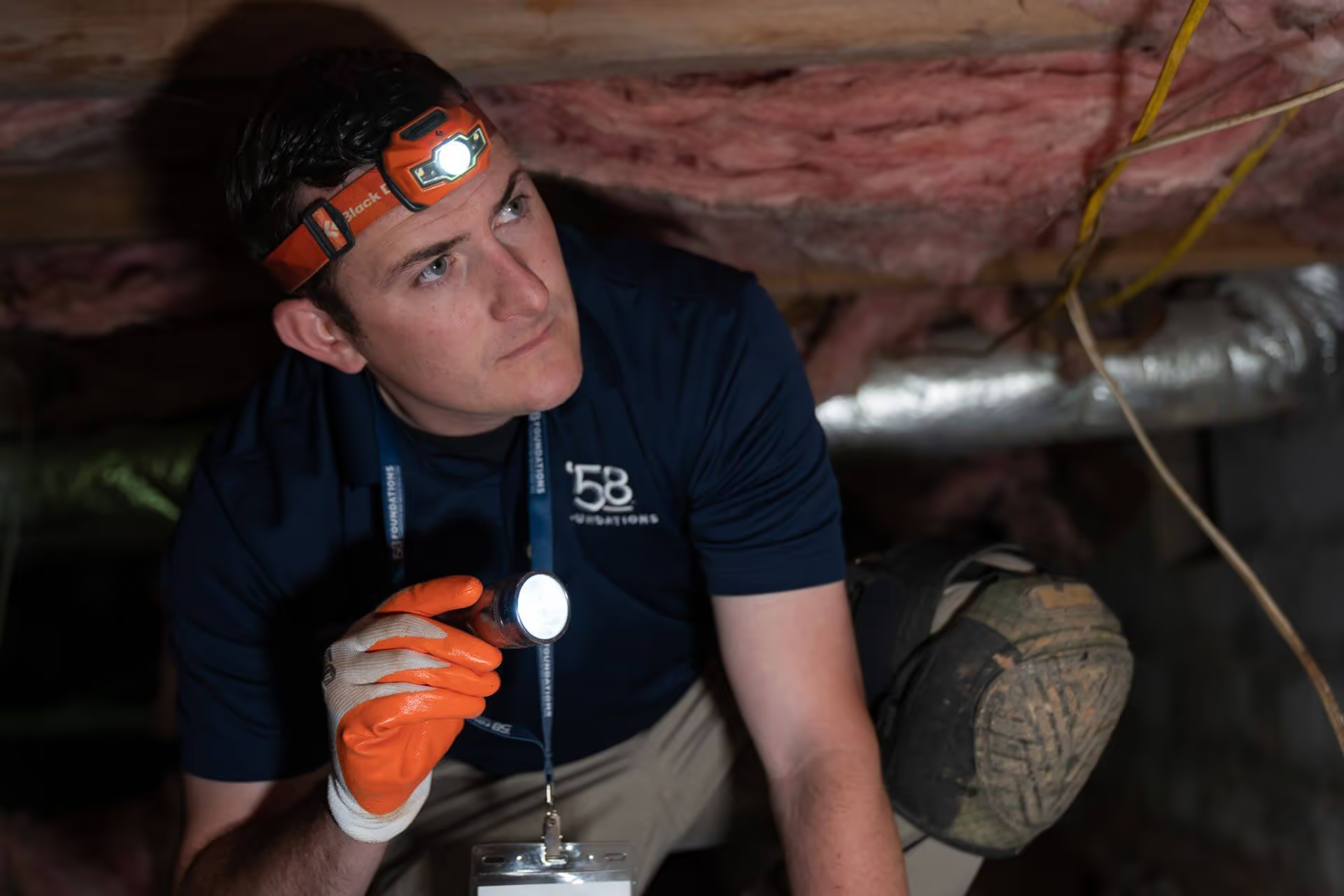
'58 Foundations & Waterproofing has been doing crawl space work across North and South Carolina long enough to know exactly what the climate does to unprotected crawl spaces in this region. Their Certified Foundation Specialists offer free inspections with written estimates, no subcontracted crews, and a Life-of-the-Structure Warranty on encapsulation work. If your crawl space hasn't been inspected recently, or if you've been noticing signs of pest activity in or around your home, schedule a free inspection before the problem goes further.





We respect your privacy. By submitting, you authorize '58 Foundations and Waterproofing to reach you via call, email or text for information about your project needs. We will never share your personal information with third parties for marketing purposes. You can opt out at any time. Message/data rates may apply. Consent is not a condition of purchase. Privacy Policy