
Free Estimate
888-698-1958
Call for Priority Scheduling
888-698-1958
Call for Priority Scheduling
Book Online
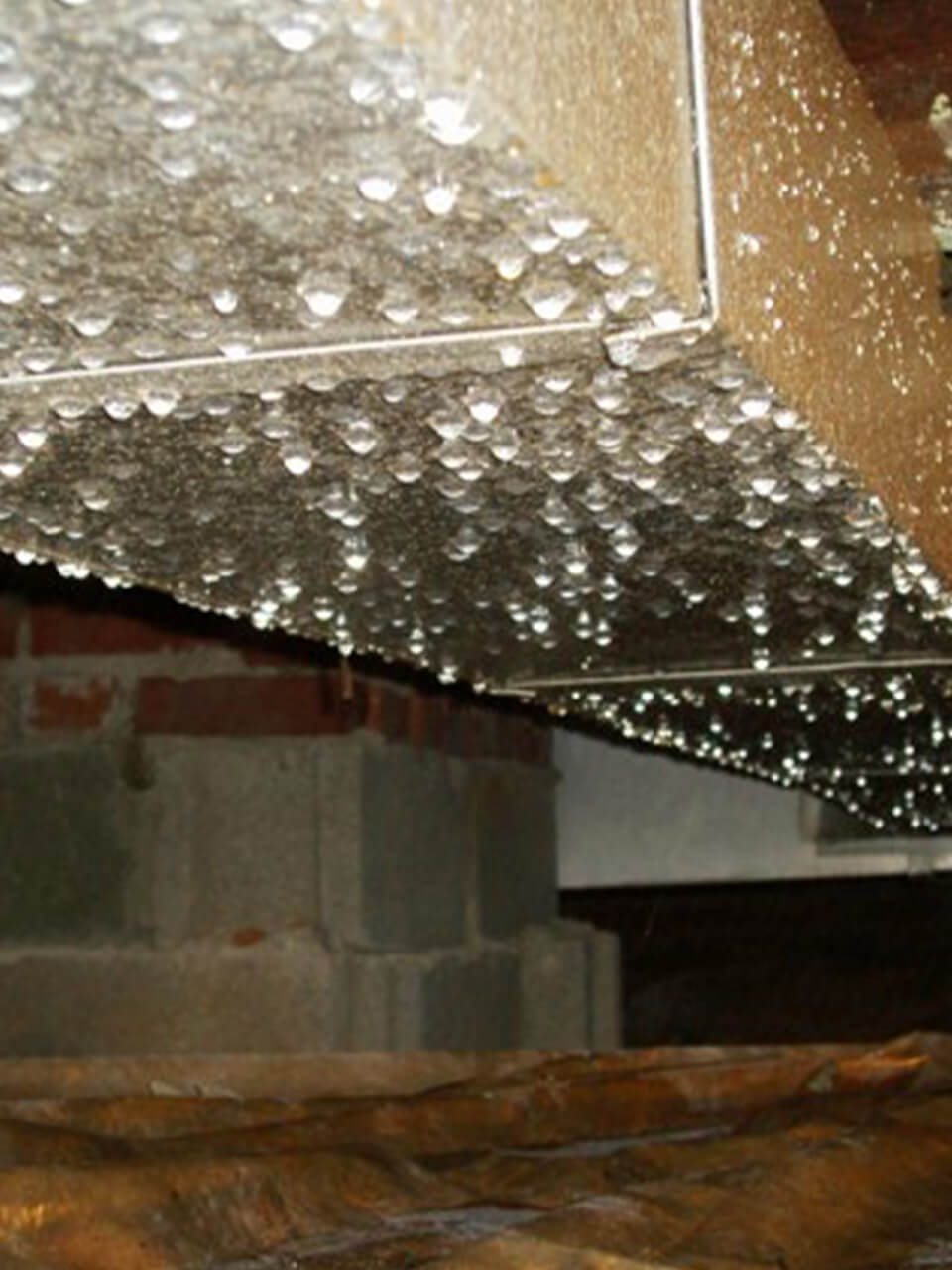
North and South Carolina's sustained humidity, heavy rainfall, and high concentration of older crawl space homes create conditions that make moisture damage especially common in the region. Warm, moisture-laden air flows into unprotected crawl spaces year-round, where it deteriorates wood framing, compromises insulation, feeds mold growth, and attracts pests, often for years before anything shows up inside the home.
North and South Carolina rank among the most humid regions in the country. Summers bring sustained heat and moisture that rarely lets up, and even the cooler months stay damp enough that a crawl space without real moisture protection is working against the climate every single day. Add in the fact that crawl space construction is the dominant foundation type across much of the region, and you have a large share of homes with an unprotected dirt floor sitting directly under the living space, pulling in outside air all year long.
The moisture problem in Carolina crawl spaces isn't seasonal. Relative humidity across much of North and South Carolina stays elevated for the majority of the year, with summer months regularly pushing into the 80 to 90 percent range across the Piedmont, the foothills, and the coastal plain. That means warm, moisture-laden air is pressing against and flowing into crawl spaces for months on end, not just during a wet stretch in spring.
Rainfall compounds it. Charlotte averages around 45 inches of rain annually, Raleigh about 46, and Asheville closer to 37. That precipitation soaks into the soil around and beneath the foundation, and in a vented crawl space, the moisture that evaporates from that wet ground has nowhere useful to go. It rises into the space, saturates insulation, condenses on wood framing, and creates the sustained damp conditions that accelerate every form of moisture damage a crawl space can experience.
The region's clay-heavy soils hold water rather than draining it quickly, which keeps ground moisture elevated long after a rainstorm ends. For a crawl space with only a bare dirt floor or an aging vapor barrier, that means prolonged exposure to moisture rising from below, even between rain events.
Crawl space foundations are common across the Southeast, but North and South Carolina have a particularly dense concentration of them relative to other regions. The mill towns that spread across the Carolina Piedmont throughout the late 19th and early 20th centuries produced block after block of worker housing built on crawl space foundations, and much of that housing stock is still occupied today. In the mountain communities of western North Carolina and upstate South Carolina, homes built on sloped terrain frequently sit on crawl space foundations where the grade naturally channels water toward the structure rather than away from it.
The result is that a large share of Carolina homeowners are living over crawl spaces that were built before modern moisture control standards existed, in a climate that is among the most demanding in the country for that type of foundation. Many of those spaces have never been encapsulated, have vapor barriers that are years past their useful life, or have venting configurations that pull humid outside air directly into the space rather than exhausting moisture out of it.
A crawl space that's pulling in humid outside air day after day doesn't fail all at once. The damage accumulates gradually, and by the time a homeowner notices something wrong inside the house, the space underneath has usually been deteriorating for a while. The most common damage patterns in Carolina crawl spaces follow a predictable sequence:
Each of these problems tends to compound the others, and none of them are visible from inside the home until the damage is already well established.
The conditions that make crawl space moisture damage so common in the Carolinas don't fix themselves, and the damage that builds up in an unprotected space tends to get more expensive the longer it goes unaddressed. If your home sits over a crawl space and it hasn't been inspected recently, it's worth knowing what's actually down there before a problem becomes a larger one.
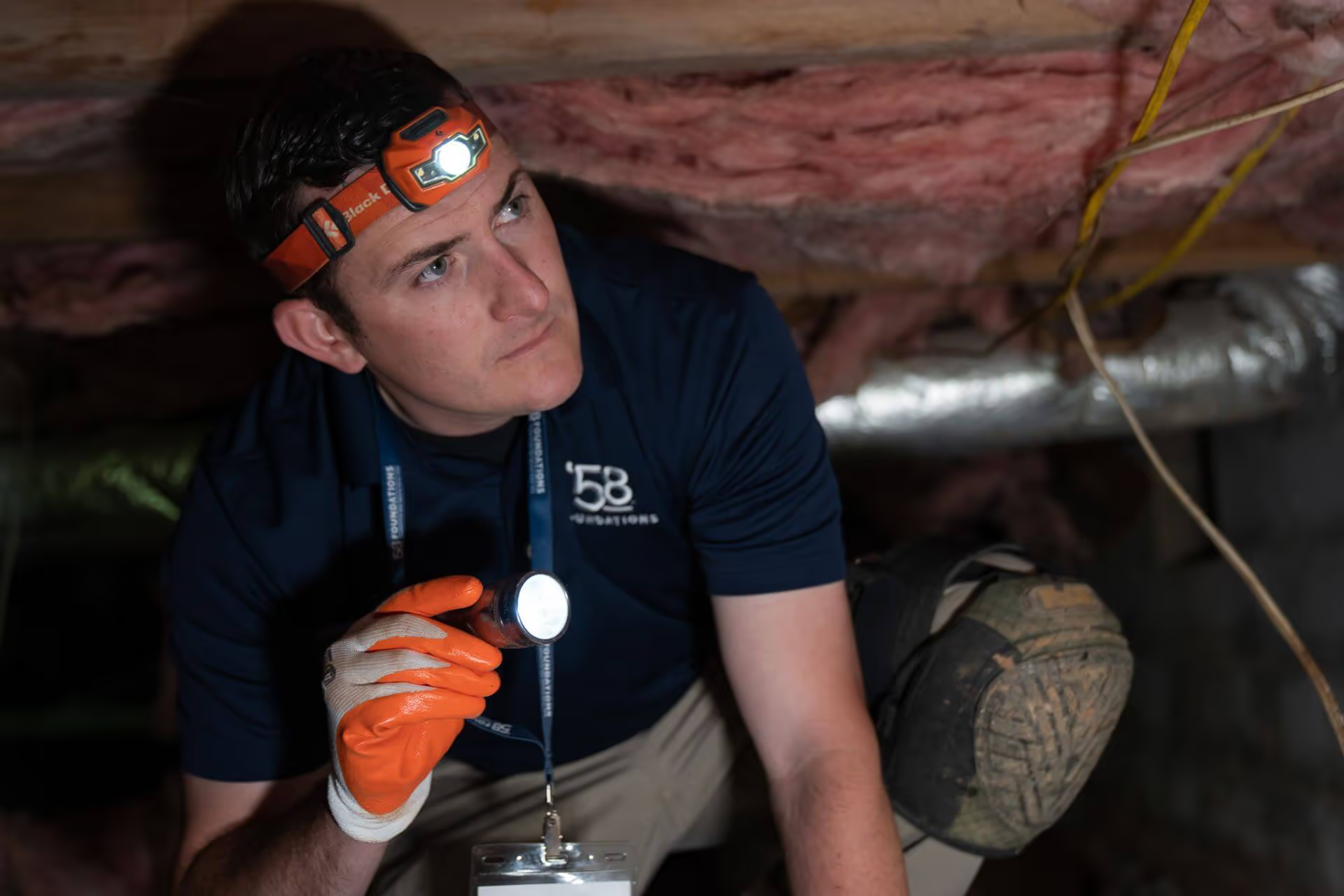
'58 Foundations & Waterproofing has been helping homeowners protect their homes since 1958. Our Certified Foundation Specialists serve homeowners across North Carolina, including Charlotte, Raleigh, Asheville, Winston-Salem, and Greensboro, and throughout South Carolina in Greenville, Spartanburg, and Anderson.Schedule a free crawl space inspection and find out where your home stands.




We respect your privacy. By submitting, you authorize '58 Foundations and Waterproofing to reach you via call, email or text for information about your project needs. We will never share your personal information with third parties for marketing purposes. You can opt out at any time. Message/data rates may apply. Consent is not a condition of purchase. Privacy Policy