
Free Estimate
888-698-1958
Call for Priority Scheduling
888-698-1958
Call for Priority Scheduling
Book Online
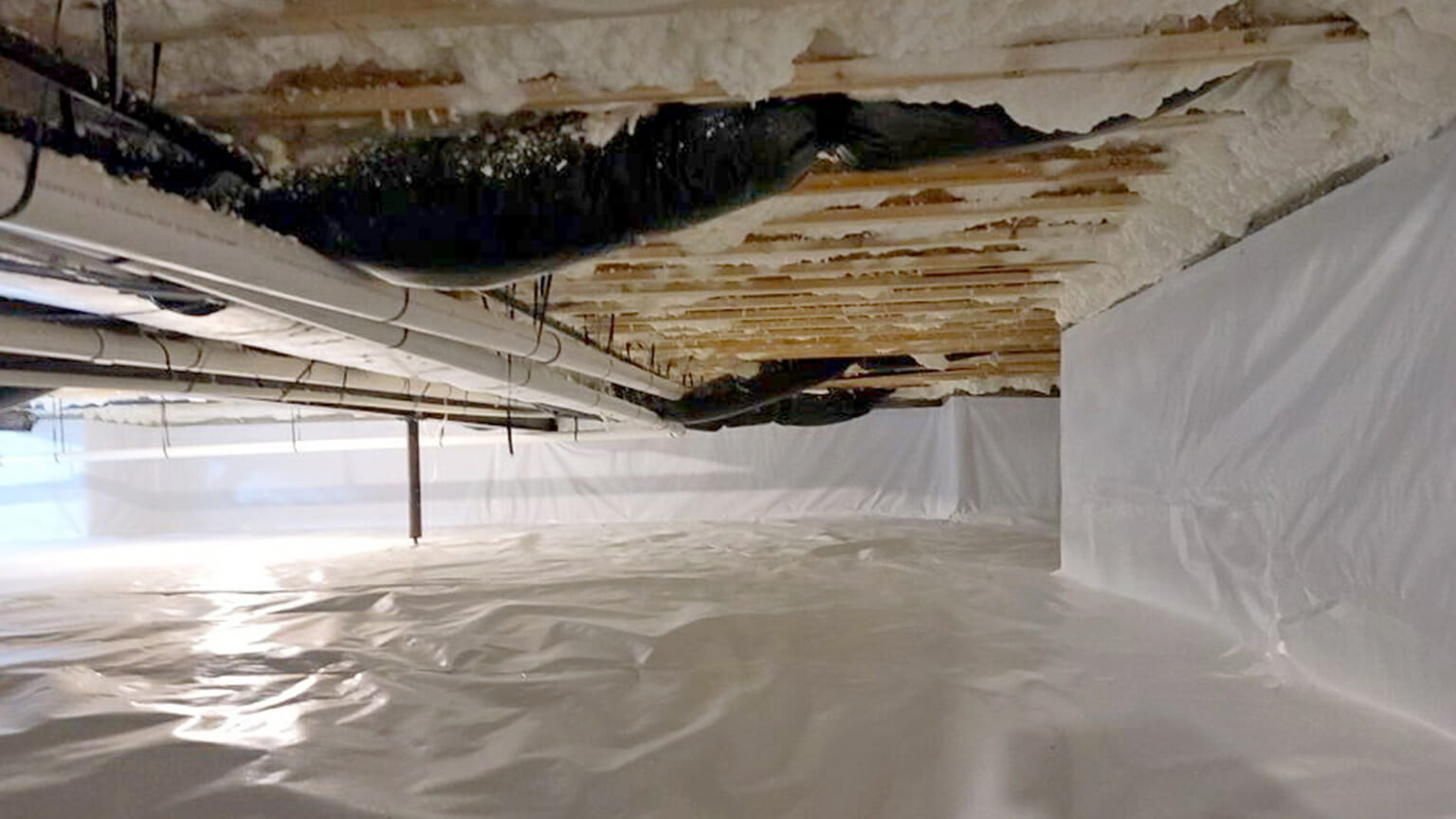
Most homeowners treat their crawl space as a place to avoid. The access door stays shut, and whatever is under the house stays out of mind. That changes after encapsulation. A crawl space that has been properly sealed, dried out, and conditioned is a different environment entirely, and for homes that are short on storage, it's square footage that's already there.
An open crawl space is damp by nature. Moisture rises from the soil, humid air moves in through vents, and the temperature swings with the seasons. Anything stored in that environment is going to show for it. Cardboard breaks down, fabric grows mildew, wood warps, and metal rusts. Beyond what happens to your belongings, the crawl space itself becomes a problem: mold takes hold on floor joists, pests move in looking for somewhere dark and wet to nest, and the air that forms down there eventually works its way up into the living spaces above.
This is why most contractors and home inspectors advise against storing anything in an unencapsulated crawl space. It's not that the space is too small or too inconvenient. It's that the conditions make it destructive to whatever goes in there.
Crawl space encapsulation seals the floor, walls, and any crawl space vents with a heavy-duty vapor barrier. A sump pump handles any water that collects, and a dehumidifier keeps humidity levels in check once the space is closed off. The result is a crawl space that stays dry, holds a relatively stable temperature, and no longer pulls in outside air and moisture.
That shift in conditions is what makes storage practical. The space isn't finished in the way a basement is, but it's clean, dry, and protected. Items that would have deteriorated within a season in an open crawl space can sit there for years without damage.
The height of your crawl space matters. Most run between one and three feet, which rules out anything you'd need to walk around to access. The better approach is flat, stackable items that slide in and out without requiring you to move much around them.
Good candidates for crawl space storage include:
Anything fragile, anything you need to access frequently, or anything that requires climate control beyond a stable, dry environment belongs somewhere else. The crawl space works best as overflow storage for items that are durable, infrequently needed, and can be organized flat.
Encapsulation is the foundation, but a few additional steps make the space more practical for storage.
Lighting is worth addressing before anything goes in. Crawling through a dark space with a flashlight while trying to find a specific bin is a reason people stop using the space altogether. '58 Foundations offers a crawl space lighting system as part of their encapsulation work: 10 industrial-grade LED lights delivering 10,000 lumens across up to 100 feet of daisy-chainable cord, with a remote control so you're not fumbling for a switch at the access point. It makes the difference between a space you'll actually use and one you'll avoid anyway. A ground-level shelf or pallet system keeps items off the vapor barrier itself, which protects the liner and makes it easier to slide bins in and out. Labeling everything before it goes in saves you a crawl through the whole space when you need something six months later.
It's also worth doing a quick check every year. Look for any moisture that shouldn't be there, make sure the dehumidifier is running properly, and confirm that the vapor barrier hasn't shifted or been punctured. Catching a small problem early keeps the space usable long-term.
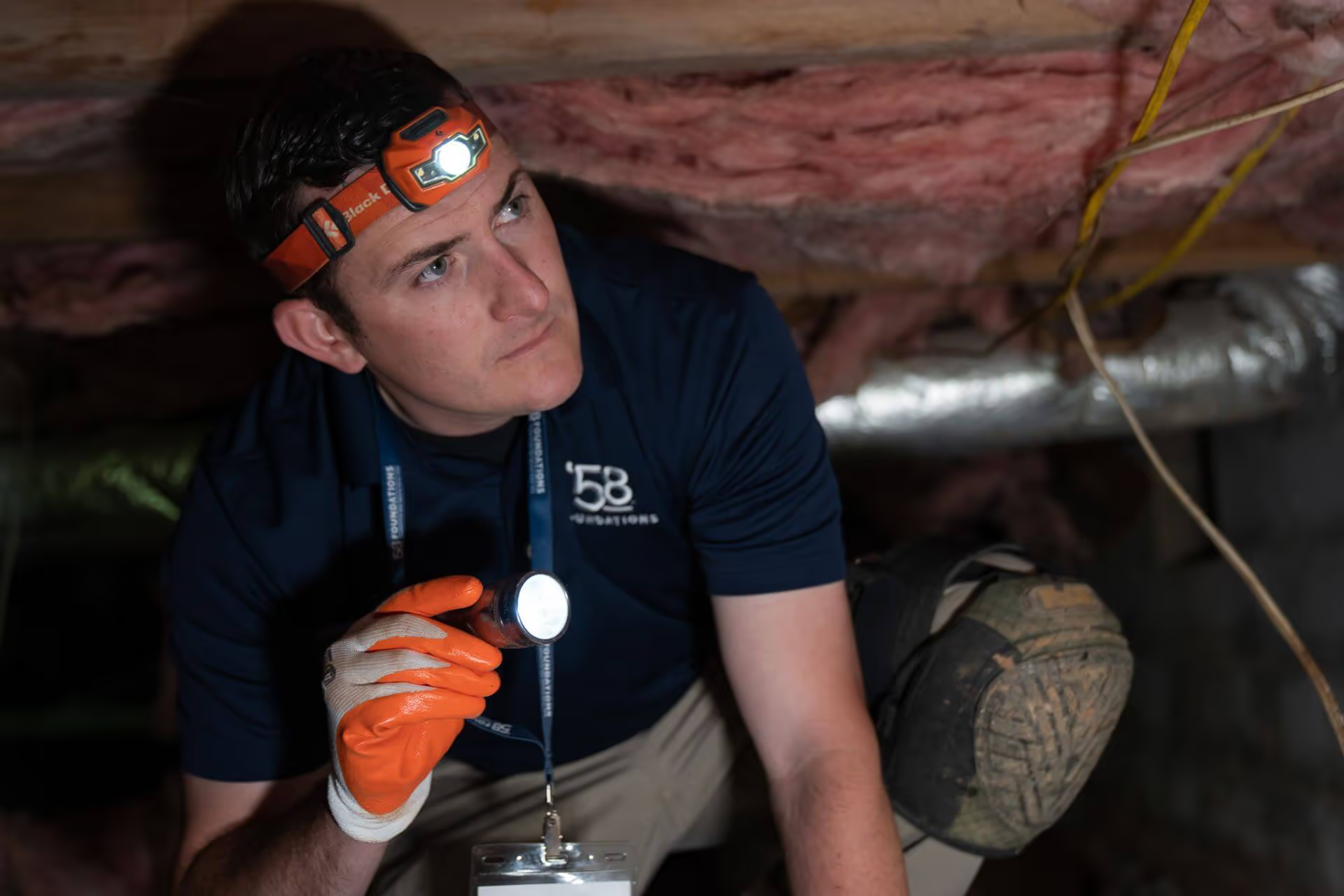
'58 Foundations & Waterproofing has been doing this work for over 65 years, and their crawl space encapsulation system is built around the same life-of-the-structure warranty that covers their foundation and waterproofing work. No subcontracted crews, free inspections with written estimates, and Certified Foundation Specialists on every job.If your crawl space is currently open and you've been ignoring it, there's usable space down there waiting. Schedule a free inspection and find out what encapsulation would involve for your home.




We respect your privacy. By submitting, you authorize '58 Foundations and Waterproofing to reach you via call, email or text for information about your project needs. We will never share your personal information with third parties for marketing purposes. You can opt out at any time. Message/data rates may apply. Consent is not a condition of purchase. Privacy Policy