
Free Estimate
888-698-1958
Call for Priority Scheduling
888-698-1958
Call for Priority Scheduling
Book Online
A burst pipe can cause serious damage in a short amount of time. Water spreads fast, and by the time you notice it, flooring, drywall, and personal belongings can already be ruined. In many cases, the pipe that bursts is not in the wall or the attic. It is underneath the house, in the crawl space, where cold air moves freely and temperatures can drop well below freezing on brutal winter nights.
If your home has a crawl space, this is a vulnerability worth taking seriously. The good news is that a crawl space encapsulation directly addresses the conditions that lead to frozen pipes, and it does a lot more than that.
Most crawl spaces are vented, meaning outside air flows in and out through small openings in the foundation. The idea behind this design was to prevent moisture buildup, but it comes with a serious trade-off. In the winter, that outside air brings freezing temperatures directly into the space where your water supply lines and drain pipes run.
Unlike a heated basement, a vented crawl space has no buffer against the cold. When temperatures drop into the teens or single digits, pipes in an unprotected crawl space can freeze in a matter of hours. Water expands as it freezes, and that expansion puts enormous pressure on pipe walls, enough to crack copper, split PVC, and rupture fittings.
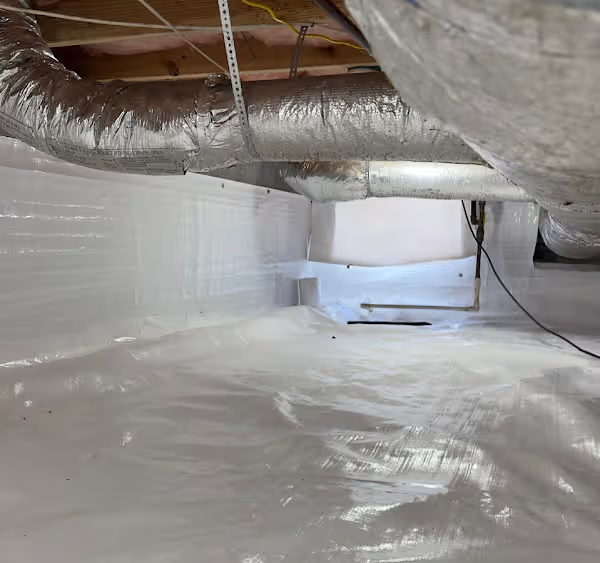
A crawl space encapsulation seals off the crawl space from the outside environment. A heavy-duty vapor barrier is installed across the ground and up the foundation walls, and the vents are closed and sealed. The result is a conditioned or semi-conditioned space that stays significantly warmer in the winter than a vented crawl space ever could.
When outside air can no longer flow freely through the crawl space, the temperature underneath your home stays much closer to the temperature inside it. That thermal stability is what protects your pipes. Instead of sitting in a space that mirrors the outdoor temperature, your plumbing is insulated by the structure of the home itself.
A crawl space encapsulation does more than protect your plumbing. A sealed crawl space blocks moisture from entering the home through the ground, which is one of the leading causes of mold, wood rot, and structural damage over time. It also improves indoor air quality by cutting off the pathway that allows crawl space air, along with allergens, mold spores, and musty odors, to rise into your living spaces.
Homeowners also typically notice lower heating and cooling bills after a crawl space encapsulation. When conditioned air is no longer escaping through an unsealed crawl space, your HVAC system does not have to work as hard to maintain a comfortable temperature.
If your home has a vented crawl space and you have ever dealt with frozen pipes, high humidity in the lower level, cold floors in the winter, or musty smells that seem to come from nowhere, a crawl space encapsulation is worth a serious look.
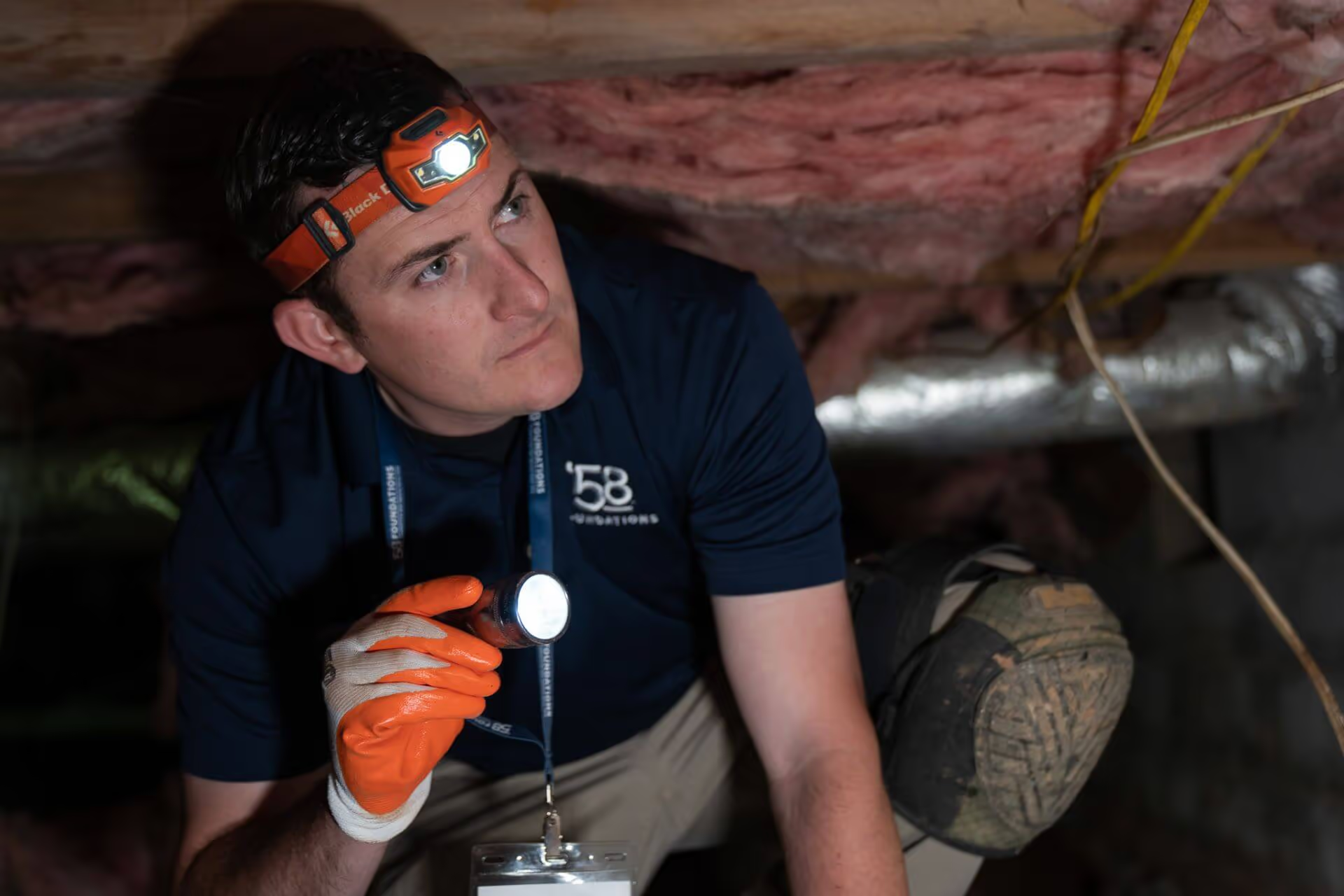
At '58 Foundations & Waterproofing, our crawl space specialists will inspect your space, walk you through exactly what we find, and give you a clear picture of what an encapsulation would involve for your home. No pressure, no guesswork. If frozen pipes or crawl space moisture have been on your mind, there is no better time to get it sorted than before the next cold snap hits.
Schedule your free inspection today and find out what a crawl space encapsulation can do for your home.





We respect your privacy. By submitting, you authorize '58 Foundations and Waterproofing to reach you via call, email or text for information about your project needs. We will never share your personal information with third parties for marketing purposes. You can opt out at any time. Message/data rates may apply. Consent is not a condition of purchase. Privacy Policy