
Free Estimate
888-698-1958
Call for Priority Scheduling
888-698-1958
Call for Priority Scheduling
Book Online
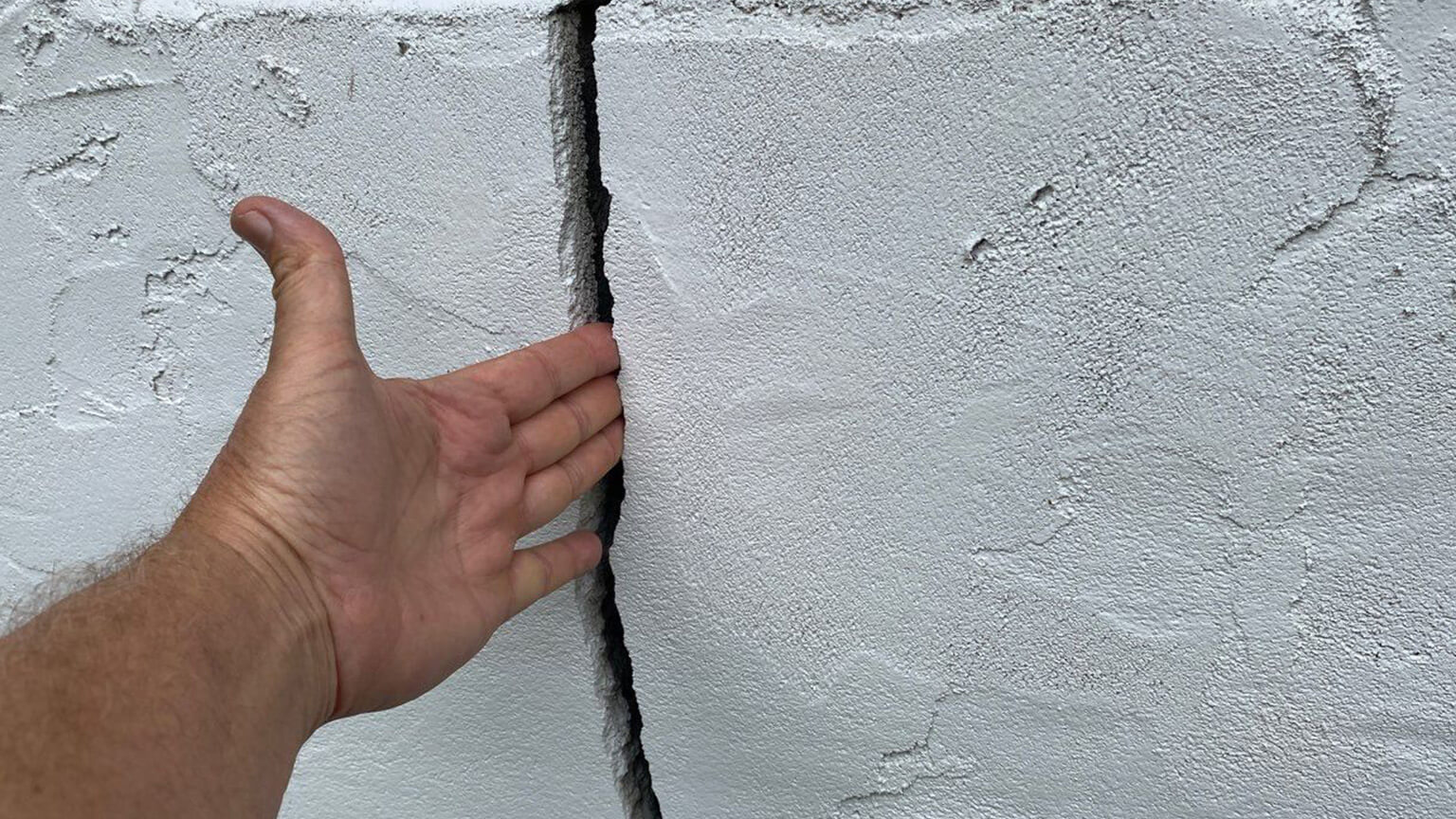
When the weather turns cold, concrete around your home can start to show signs of stress. You might notice hairline cracks in your sidewalk or driveway, or spot a larger crack stretching across your basement floor. Some of these are harmless. Others can signal a more serious problem.
Freezing temperatures, shifting soil, and lingering moisture can all affect the integrity of concrete. If those small cracks begin to widen or spread, they may be early warning signs of foundation damage, sinking slabs, or water intrusion.
Knowing what’s normal and what’s not can help you act before a minor crack turns into a major repair.
Cold weather puts unique stress on concrete. As temperatures fall, moisture within and beneath your concrete surfaces begins to freeze. When water freezes, it expands. That pressure can cause existing cracks to widen or new ones to form, especially in areas where the concrete is already aging or uneven.
The soil under your home can also shift during the winter. In regions with clay-heavy or moisture-retentive soils, freezing temperatures cause the ground to expand. As it thaws, the soil contracts again. These subtle shifts can weaken the support beneath concrete slabs, driveways, porches, and even foundation walls.
Moisture is another key factor. If water seeps into small cracks or joints and then freezes, it can force the concrete apart from the inside. Over time, this cycle of freezing and thawing leads to visible damage.
Not all cracks in concrete mean your home is in trouble. Some are cosmetic and shallow, often caused by normal shrinkage or surface wear. These are the hairline cracks you might see in sidewalks, garage floors, or basement slabs. They usually stay the same size over time and don’t signal a serious issue.
But deeper or expanding cracks may be a warning sign. Structural cracks tend to be wider, jagged, or uneven. They often appear in foundation walls, floor slabs, or in areas where moisture collects. If a crack is wide enough to insert a coin, seems to be growing, or runs along multiple surfaces, like from a wall to the floor, it should be checked by a foundation repair contractor.
Cracks that allow water to seep in or that appear near bowing walls or uneven floors are especially concerning. These can indicate foundation settlement, slab sinking, or hydrostatic pressure pushing against your basement walls.
Concrete cracks may seem small at first, but they can signal bigger problems forming below the surface. When soil shifts or settles unevenly, it places pressure on your foundation that shows up as cracks in walls, floors, or exterior slabs.
In basements and crawl spaces, these cracks can also allow water to seep through, especially during winter thaws or heavy rain. Moisture intrusion not only damages concrete but also promotes mold, wood rot, and unhealthy indoor air.
If you notice any of the following signs, it could mean the cracks are tied to a deeper issue:
These signs often point to foundation settlement, soil movement, or hydrostatic pressure problems that typically get worse in winter and early spring.
Not every crack needs immediate repair, but when concrete starts shifting, leaking, or spreading damage to other parts of the home, it’s time to bring in an expert. Catching a foundation or concrete issue early can prevent a much more expensive repair down the line.
You should contact a local foundation repair or concrete leveling contractor if you notice:
The cost of repair depends on the type and severity of the problem, but waiting usually makes the damage worse and more expensive. A qualified company can assess your home, explain the cause, and recommend options that fit your budget.
Cold weather doesn’t just reveal cracks; it can make them worse. As snow melts and temperatures shift, moisture seeps into concrete, freezes, and expands. That process can turn minor issues into serious structural concerns by the time spring arrives.
Even if the damage isn’t obvious yet, winter is the right time to act. A simple inspection can uncover problems early, before they spread. Repairing cracks now can also help prevent water damage, mold growth, and rising repair costs in the months ahead.
If you’ve noticed cracks forming or growing this season, don’t wait for warmer weather. Schedule an inspection with a trusted foundation repair company near you, and take the first step toward protecting your home.





We respect your privacy. By submitting, you authorize '58 Foundations and Waterproofing to reach you via call, email or text for information about your project needs. We will never share your personal information with third parties for marketing purposes. You can opt out at any time. Message/data rates may apply. Consent is not a condition of purchase. Privacy Policy