
Free Estimate
888-698-1958
Call for Priority Scheduling
888-698-1958
Call for Priority Scheduling
Book Online
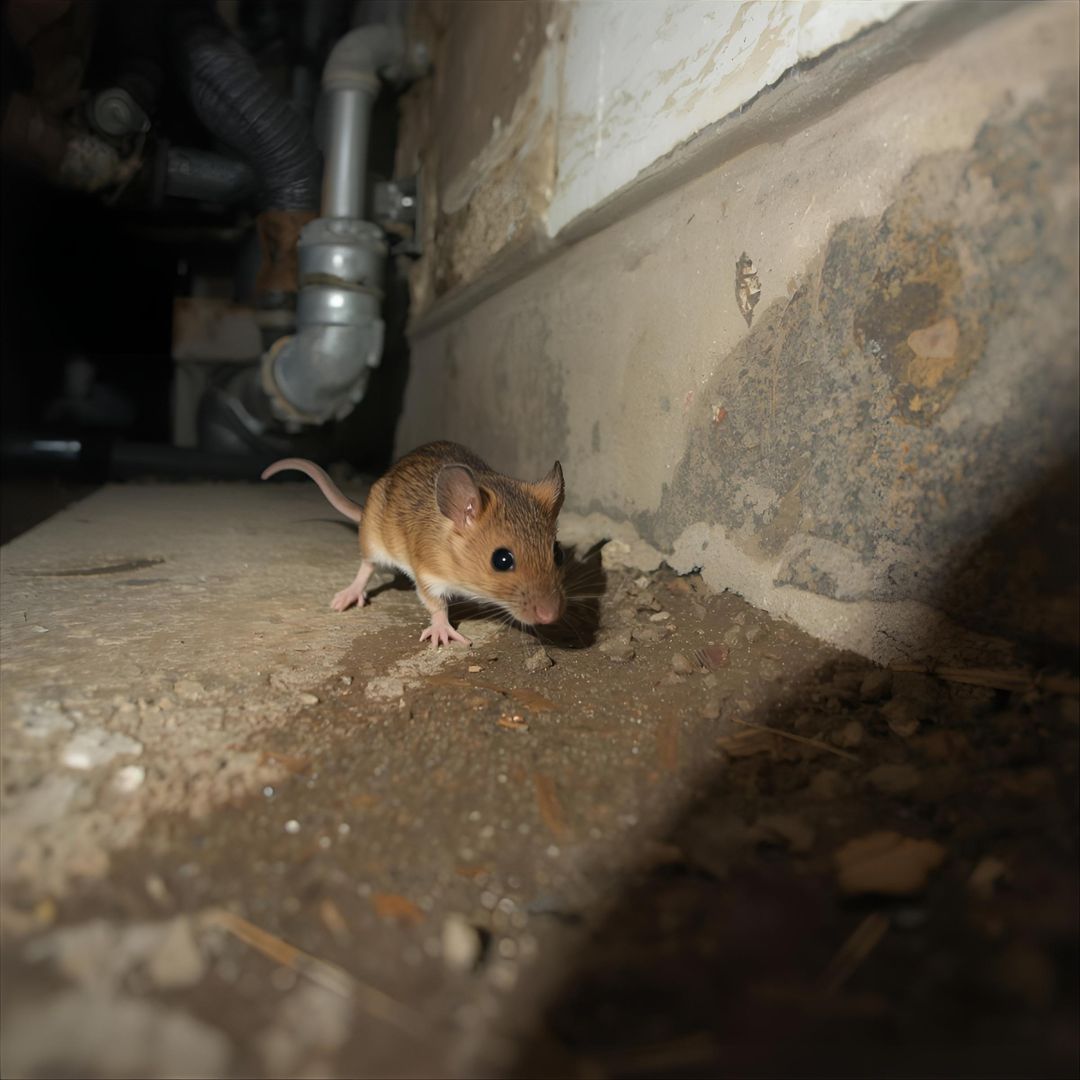
An unencapsulated crawl space creates ideal conditions for mold, insects, rodents, and wildlife to establish themselves beneath your home. Each one is drawn by the same basic factors: ground moisture, bare soil, damp wood, and undisturbed shelter. Left unchecked, they cause damage to wood framing, insulation, wiring, and vapor barriers, and the stack effect ensures that what accumulates below the floor eventually affects the air quality in the living space above. Crawl space encapsulation addresses the underlying conditions that attract them in the first place.
There's a smell in the house you can't locate. Someone's allergies have gotten worse since you moved in. A section of floor has a little give underfoot that wasn't there before. These things can feel unrelated, but in a lot of homes they point to the same place: a crawl space that's been open to soil and outside air for years, with no one checking what's taken up residence down there.
An unencapsulated crawl space gives insects, rodents, and mold exactly what they need to establish themselves: ground moisture, darkness, undisturbed shelter, and in most cases a direct connection to the living space above. What grows or nests beneath your floor doesn't stay contained to the crawl space. Air moves upward through the floor structure continuously, carrying spores, odors, and contaminants into the rooms your family uses every day.
Ground moisture is a constant in an unencapsulated crawl space. Bare soil releases water vapor year-round, and in humid climates that moisture collects on wood framing, insulation, and any surface cool enough for condensation to form. Mold needs very little beyond persistent dampness and an organic surface to establish itself, and a crawl space with bare dirt and wood framing overhead provides both.
The species that show up most often in damp crawl spaces, Cladosporium, Penicillium, and Aspergillus among them, spread across floor joists and subfloor panels in patches that widen over months and years. The wood they grow on softens as fungal decay develops alongside the mold, which is how an ignored crawl space eventually becomes a structural problem in addition to an air quality one. These are common organisms that spread readily and produce spores that travel upward into the living space through the stack effect.
Crawl space mold rarely shows visible discoloration until it is well established. The more common early signal is a persistent musty smell in the house that seems to have no clear source.
An unencapsulated crawl space attracts insects the same way it attracts moisture: passively, over time, without any single obvious entry point. The species that show up most reliably are drawn by damp wood, bare soil, and undisturbed shelter. Each one causes a different kind of damage, but they share the same underlying requirement: conditions that an open crawl space provides consistently.
The most common crawl space insects and what they do:
None of these insects require a large entry point. A gap around a pipe, an open foundation vent, or direct soil contact is enough.
Schedule your free inspection today.
Mice and rats are the most common crawl space inhabitants after insects, and they are year-round problems in most regions. They enter through gaps around pipes, cracks in the foundation, and open vents. A damp, undisturbed crawl space gives them shelter, nesting material, and in many cases a water source.
The damage they cause goes beyond what most homeowners expect. Rodents gnaw through vapor barriers, insulation, electrical wiring, and HVAC components. Their urine and droppings saturate insulation and accumulate on the crawl space floor, creating a contamination problem that compounds the longer the infestation goes unaddressed.
In warmer parts of the country, snakes are a genuine crawl space concern. They follow rodents, so a crawl space with an active mouse or rat population is more likely to attract them. They cause no structural damage, but their presence is a reliable sign that other wildlife has already been using the space regularly.
Raccoons and opossums occasionally den in crawl spaces with large enough access points, particularly in late fall and winter. They cause significant damage to insulation and vapor barriers and leave waste that creates persistent odor problems that are difficult to address without a full cleanout.
A crawl space is not an isolated compartment. Air moves through a home from bottom to top, drawn upward by the difference in temperature and pressure between the lower and upper levels of the structure. This is the stack effect, and it means the crawl space is continuously contributing to the air circulating through your living space whether you are aware of it or not.
In an unencapsulated crawl space with active mold growth, insect activity, and rodent contamination, that air carries a load of spores, allergens, bacteria, and odors before it ever reaches the first floor. Mold spores aggravate asthma and allergy symptoms. Rodent dander and droppings are known respiratory irritants. The musty smell that homeowners notice but can't locate often originates below the floor and travels up through gaps around pipes, ductwork, and subflooring.
The connection between crawl space conditions and indoor air quality is direct and consistent. Homeowners who have dealt with unexplained allergy flare-ups, persistent odors, or humidity levels that seem too high for the season frequently find the source when someone finally inspects the crawl space. The living space above reflects what is happening in the space below.
Every organism and animal covered in this post is down there for a reason. Mold needs moisture and an organic surface. Insects need damp wood and soil contact. Rodents need shelter and nesting material. Snakes follow rodents. An unencapsulated crawl space provides all of it, consistently, without anyone noticing until damage has already accumulated.
Crawl space encapsulation addresses the underlying conditions rather than treating each problem individually. A heavy-duty vapor barrier sealed across the floor and up the walls cuts off the ground moisture that mold, termites, and moisture-dependent insects depend on. Sealed vents eliminate the open access points that rodents and insects use to enter. A dehumidifier keeps humidity at levels that are inhospitable to most of what this post describes. Wood that stays dry doesn't rot, doesn't attract carpenter ants, and doesn't give mold a foothold.
Encapsulation doesn't replace pest control treatment for an active infestation, and it doesn't substitute for a professional inspection if wildlife has already been denning in the space. What it does is remove the conditions that made the crawl space attractive to pests in the first place, so the problems don't keep coming back after they're addressed.
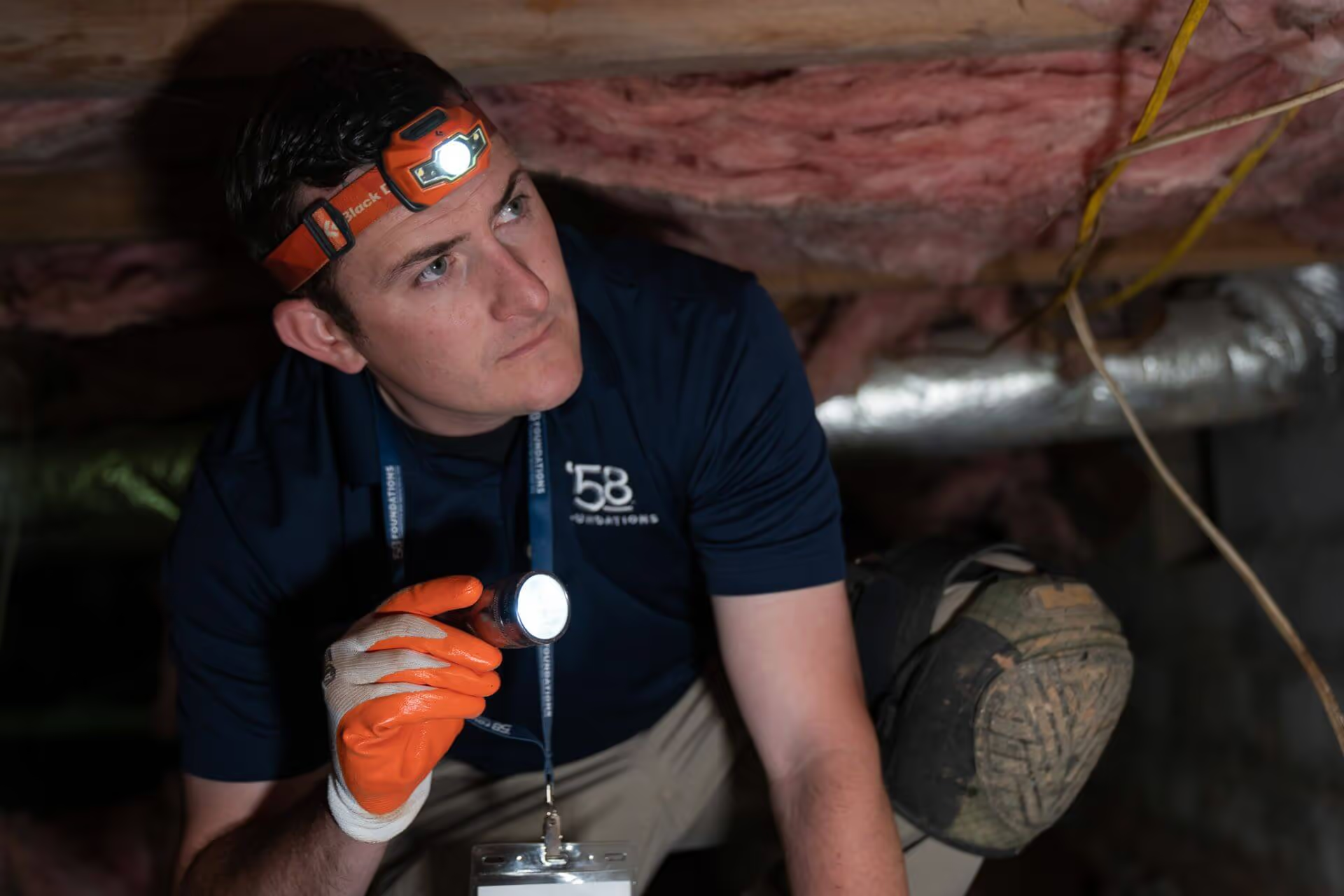
Most homeowners have no idea what's living in their crawl space because no one has looked. A free inspection from '58 Foundations & Waterproofing gives you a clear picture of what's down there and what it will take to address it. Their Certified Foundation Specialists inspect the full crawl space, explain what they find, and provide a written estimate with no pressure to commit on the spot.





We respect your privacy. By submitting, you authorize '58 Foundations and Waterproofing to reach you via call, email or text for information about your project needs. We will never share your personal information with third parties for marketing purposes. You can opt out at any time. Message/data rates may apply. Consent is not a condition of purchase. Privacy Policy