
Free Estimate
888-698-1958
Call for Priority Scheduling
888-698-1958
Call for Priority Scheduling
Book Online
The Piedmont region stretches across both states, covering a wide band of land between the Blue Ridge Mountains and the coastal plain. The soil through most of it is heavy clay, and clay has one defining characteristic that every homeowner in the region eventually encounters: it moves.
When clay absorbs water it swells. When it dries out it contracts. In the Carolinas, where a wet spring can flip into a dry August without much warning, that cycle repeats constantly beneath every home built on that ground. Foundations are built to sit on stable ground. Clay soil is not stable ground. The two facts don't resolve each other. Over time, the foundation absorbs the difference.
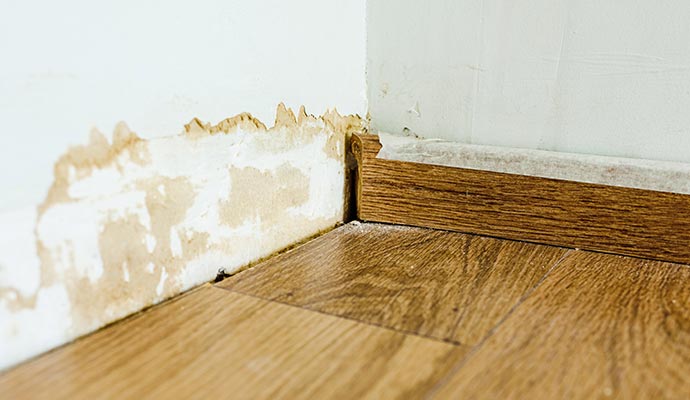
The early indicators of clay soil movement are easy to misread. They show up gradually and rarely in a way that feels urgent. The ones worth paying attention to:
None of these are automatic emergencies. What matters is whether they are isolated or showing up in multiple places, and whether they have been changing. A crack that has stayed the same for a decade is a different situation from one that has grown noticeably over two or three seasons.
Plenty of regions have clay soil. The Carolinas have clay soil combined with a rainfall pattern that keeps it in near-constant motion. Dry summers give way to wet falls. Winters stay mild enough that the ground rarely freezes deep, which means it never gets the stabilizing period that colder climates experience. The soil stays active year-round, expanding and contracting on a schedule tied to rainfall rather than temperature.
That consistent cycling is what separates the Carolinas from regions where clay soil exists but sits relatively dormant for long stretches. The ground here never stops moving long enough for a foundation to fully adjust to one position. Homes in Raleigh or Spartanburg can accumulate more cumulative foundation movement over a decade than homes in climates people more commonly associate with foundation problems.
The early signs of foundation damage are also the cheapest point to address them. A minor issue caught early is a different repair than the same problem after several more years of seasonal movement. The damage doesn't hold still while a homeowner weighs the decision. It compounds.
Clay soil cycles through the same expansion and contraction every year. A foundation dealing with one symptom in year one is often dealing with several by year three or four, not because something dramatic happened, but because the same conditions kept running. More of the structure gets involved the longer the movement continues unchecked.
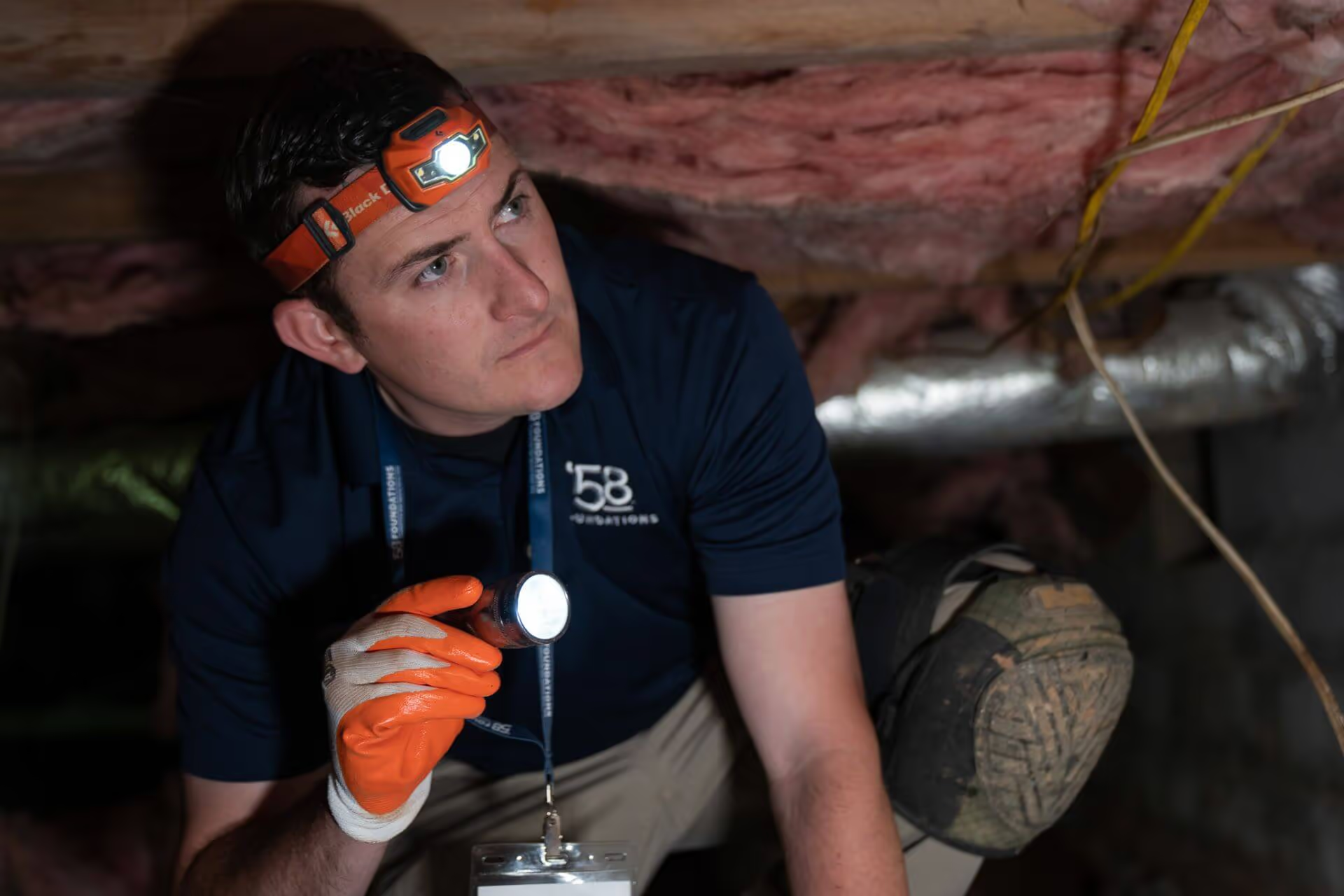
Foundation problems are easier to address early, and the only way to know what you're dealing with is to have it looked at. '58 Foundations has been inspecting and repairing foundations across the Carolinas for decades. Inspections are free, there's no obligation afterward, and you'll leave with a written estimate if work is recommended. If any of the signs in this article sound familiar, don't wait for the next wet season to add to what's already there.





We respect your privacy. By submitting, you authorize '58 Foundations and Waterproofing to reach you via call, email or text for information about your project needs. We will never share your personal information with third parties for marketing purposes. You can opt out at any time. Message/data rates may apply. Consent is not a condition of purchase. Privacy Policy