
Free Estimate
888-698-1958
Call for Priority Scheduling
888-698-1958
Call for Priority Scheduling
Book Online
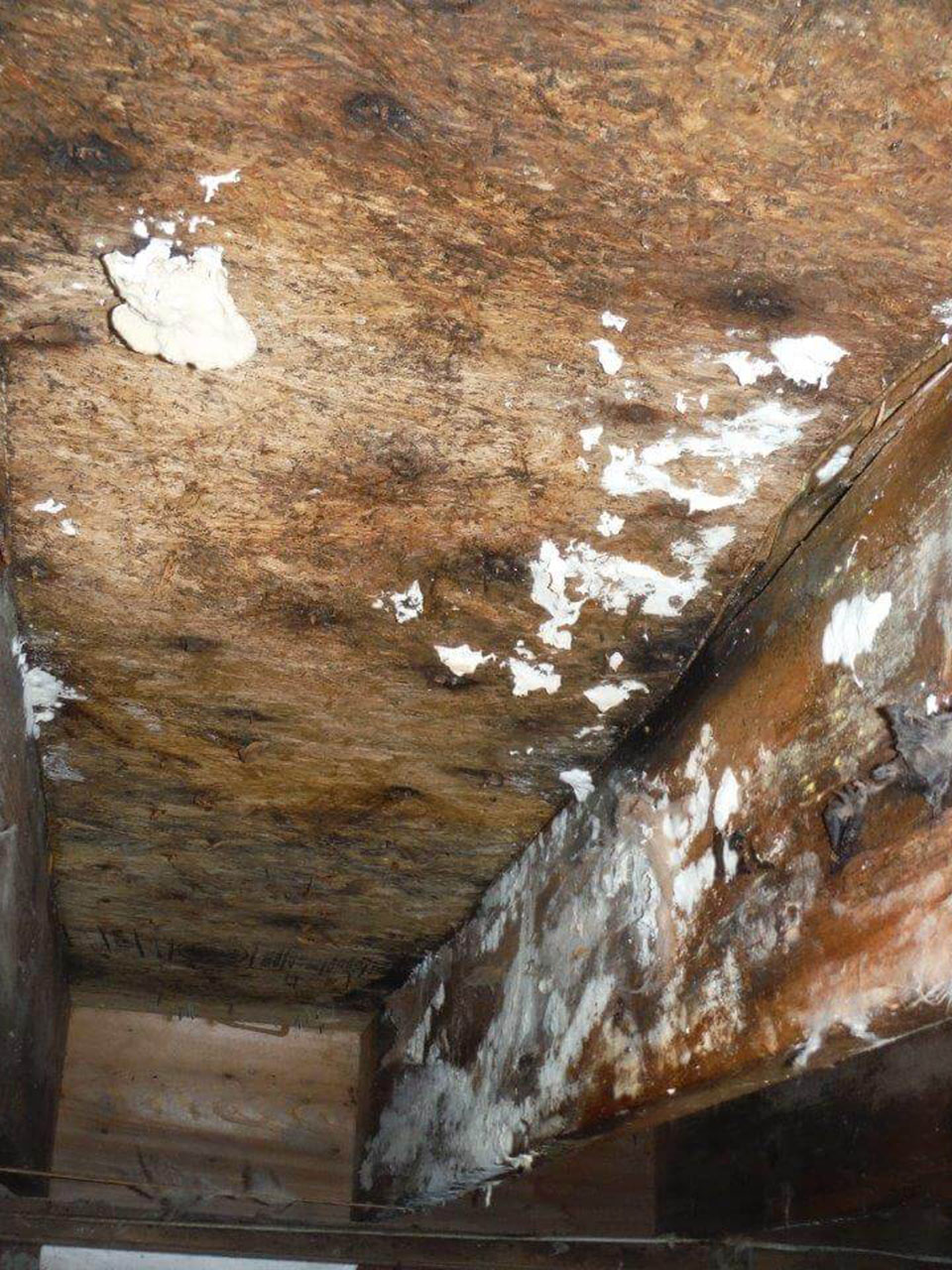
Every September is designated Mold Awareness Month, a chance to look at how mold actually affects a home and the people living in it. A musty smell or a spot of discoloration in a basement or crawl space can be easy to dismiss, but mold affects indoor air quality and can affect health in ways worth taking seriously. Understanding what mold does to your health, where it grows, and what actually gets rid of it goes a long way toward keeping a home in good shape.
According to the CDC, mold exposure can cause a stuffy nose, sore throat, coughing or wheezing, burning eyes, or a skin rash. People with asthma or a mold allergy may have more severe reactions. People who are immune-compromised or have chronic lung disease can develop lung infections from mold exposure. The CDC also points to research linking indoor mold exposure to upper respiratory symptoms, cough, and wheezing in people with no prior health conditions, and to worsened asthma symptoms in people who already have asthma.
Whatever type of mold you're looking at, it needs to come out. The moisture feeding it needs to stop too. The species doesn't change that. What matters is finding where the moisture is coming from and addressing it at the same time the mold itself is removed. Mold cleaned without fixing the moisture behind it comes back.
Mold isn't always something you can see right away. A musty or earthy smell that doesn't go away is one of the clearest signs, even when nothing looks visibly wrong. Discoloration on a wall, floor, or ceiling, whether it's a dark spot or a lighter stain, is another sign worth checking. If sneezing, itchy eyes, or wheezing clear up when you leave the house and come back once you're home again, that pattern points to something inside the house rather than a seasonal allergy.
Basements and crawl spaces are worth checking even when nothing seems obviously wrong upstairs, since that's where moisture tends to sit longest. A damp, closed-off space with poor airflow gives mold exactly the conditions it needs, well before a smell or a stain makes its way to the rooms you actually spend time in.
If you've had a leak, a flood, or any other water intrusion in the past, that area is worth a second look, even if it seemed minor at the time. The EPA states that water-damaged materials need to dry out within 24 to 48 hours to prevent mold growth, and insulation and drywall are two of the materials most likely to stay wet past that window. Insulation especially can hold moisture for a long time without showing it on the surface, and drywall that stayed damp even briefly can develop mold behind the wall where you'd never see it. A repair that dealt with the leak itself doesn't always mean the insulation or drywall behind it actually dried out in time.
Mold needs moisture to grow, and it doesn't take a flood to provide it. High humidity alone is enough, especially in a space with little airflow. The EPA recommends keeping indoor humidity below 60 percent, ideally between 30 and 50 percent, to keep conditions from favoring mold growth.
Basements and crawl spaces run into this more than the rest of a house. Both sit below grade, closer to the moisture already in the surrounding soil, and both typically get less airflow than the living space above. A crawl space with exposed dirt or an unsealed foundation wall lets that ground moisture move straight into the air underneath the house, where humidity can climb well past what the EPA recommends without anyone noticing until a smell or a stain shows up somewhere else.
'58 Foundations & Waterproofing's technicians are certified through NORMI, MICRO, and IICRC training, the standard credentials for mold inspection and remediation work. For heavier infestations, the team uses the '58 React/Extract solution to treat and remove mold from affected surfaces. Removing what's already there only solves half the problem, which is why every inspection also traces the moisture feeding it back to its source.
Sealing a crawl space or basement addresses that source directly. A HumidiGuard™ dehumidifier, sized to the space, drains up to 130 pints of water per day to bring humidity back down where it belongs. Encapsulating the space with a sealed barrier keeps ground moisture from ever reaching the air in the first place, closing off the conditions mold needs to grow.
Mold Awareness Month is a good reminder to check the areas of your home most likely to have a moisture problem, especially the basement or crawl space. If you've noticed a musty smell, visible discoloration, or allergy symptoms that ease up when you're away from home, it's worth having someone take a look.





We respect your privacy. By submitting, you authorize '58 Foundations and Waterproofing to reach you via call, email or text for information about your project needs. We will never share your personal information with third parties for marketing purposes. You can opt out at any time. Message/data rates may apply. Consent is not a condition of purchase. Privacy Policy