
Free Estimate
888-698-1958
Call for Priority Scheduling
888-698-1958
Call for Priority Scheduling
Book Online
Trust '58 Foundations & Waterproofing for professional foundation repair in Washington, DC. Our experienced team fixes cracks, settling, and structural issues to help keep your home safe, stable, and protected for years to come.
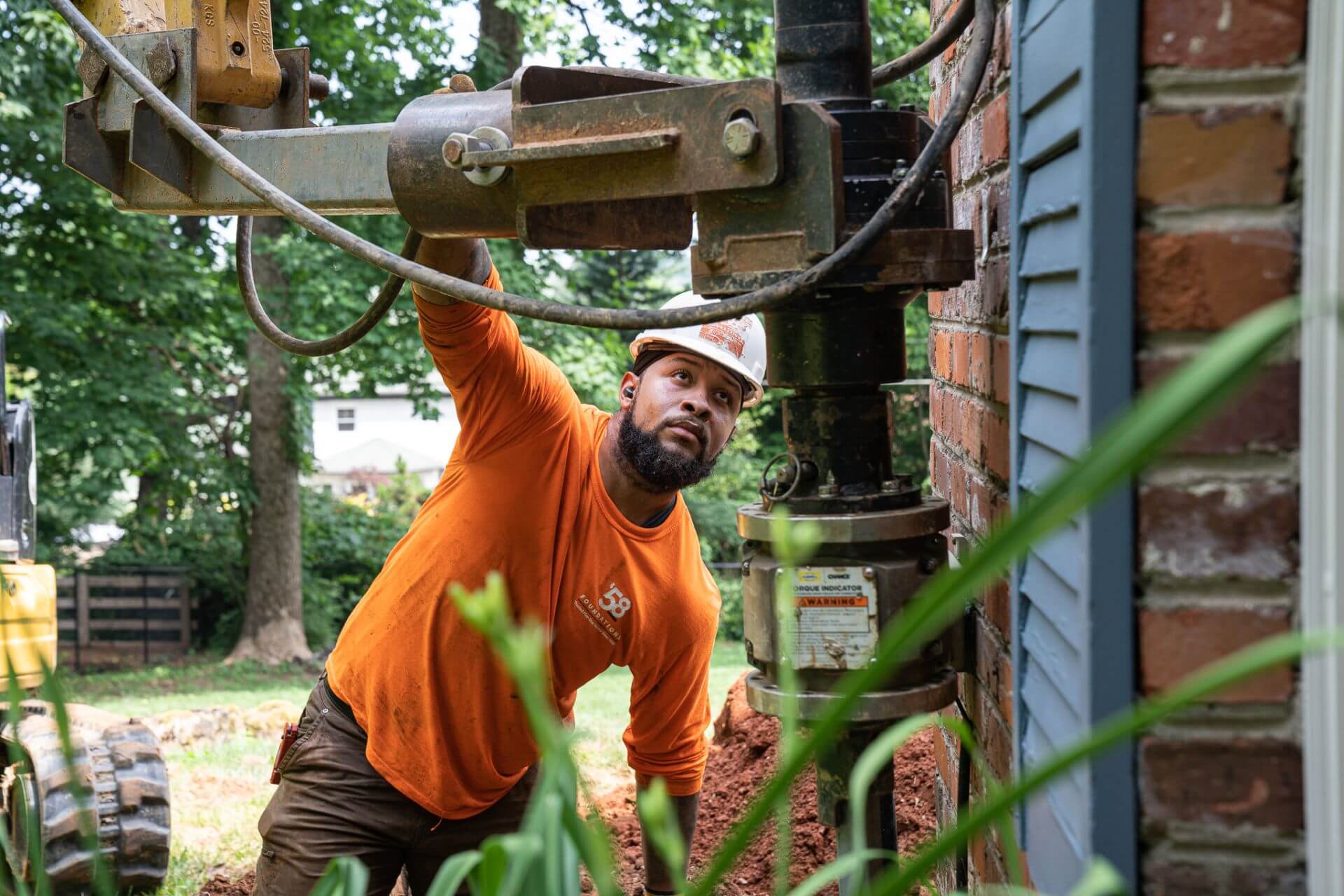




Washington, DC’s mix of historic rowhomes, brick townhouses, and newer construction gives the city a distinct character, but it also creates unique foundation challenges. Older masonry, changing seasonal temperatures, heavy rain, and shifting soils can all lead to cracks, settlement, leaning walls, and other structural problems over time. In neighborhoods where homes sit close together and space is tight, foundation issues can be easy to miss until they begin to affect daily life.
At ’58 Foundations & Waterproofing, our foundation repair company serves homeowners throughout Washington, DC with solutions designed for this environment. Whether you live in an older brick home or a more modern structure, our foundation repair contractors inspect the property, identify the cause of the problem, and recommend repairs that match your house and budget. From stabilizing settling foundations to reinforcing damaged walls, we provide clear explanations, honest discussions of cost, and foundation repair services you can trust when you search for a local company in the DC area.
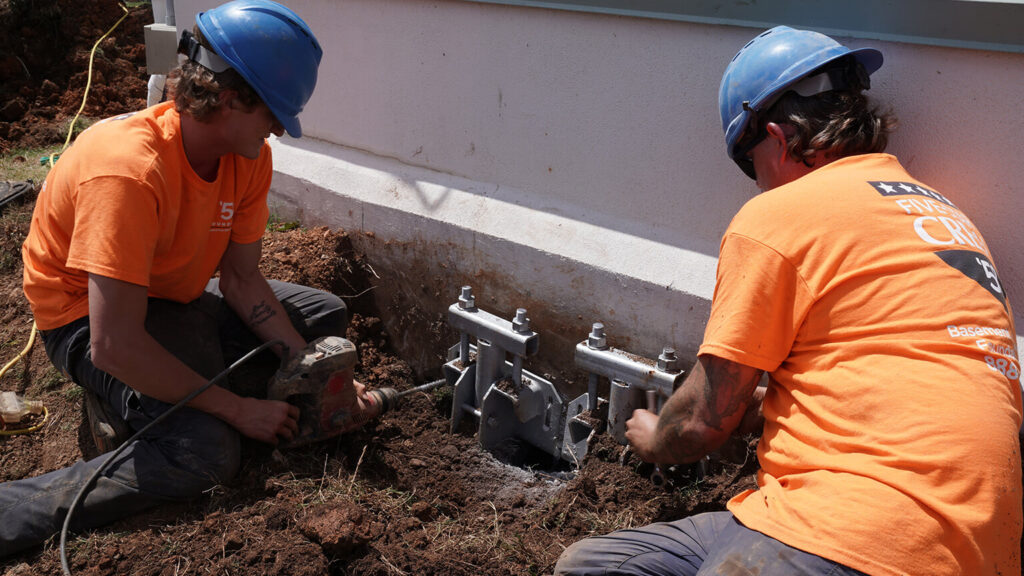
In Washington, DC, foundation trouble usually starts with how homes were built into the landscape and how water moves through the city. Many older rowhomes and townhouses were set on shallow masonry or block foundations long before modern standards. In neighborhoods like Capitol Hill, Shaw, and Petworth, those foundations now sit over soils that have been disturbed, filled, or regraded many times as streets and utilities were added. That history leaves pockets of weaker support under sections of a home.
DC’s setting between the Potomac and Anacostia Rivers adds another layer of stress. Low-lying areas and properties closer to these waterways often have higher groundwater and see more standing water after storms. When heavy rain moves through, water can collect along basement walls, softening the soil and building pressure from the outside. On hillsides and sloped blocks, runoff cuts across yards and along foundations, washing fine material away from footings over time.
Seasonal swings take a toll as well. Freeze–thaw cycles in winter and early spring can widen existing cracks in concrete and mortar joints, while hot, dry spells in summer let surface soils shrink and pull back from the foundation. That constant cycle of swelling, shrinking, and erosion can lead to settlement, tilting, and walls that begin to lean or bow inward.
Because each DC block has its own mix of fill, original soil, and drainage patterns, two homes side by side can behave very differently. When a foundation repair contractor from ’58 Foundations & Waterproofing inspects a Washington, DC property, they look at where the home sits in the city, how water is reaching the foundation, and how the structure was put together, then design repairs that match those conditions instead of treating it like any other region.
In Washington, DC, foundation issues often show up in subtle ways before anyone labels them as “structural.” A house may feel a little out of square, a room may not sit quite level, or a crack you have lived with for years may start changing. In a city full of attached homes, shared walls, and narrow lots, those changes are worth paying attention to.
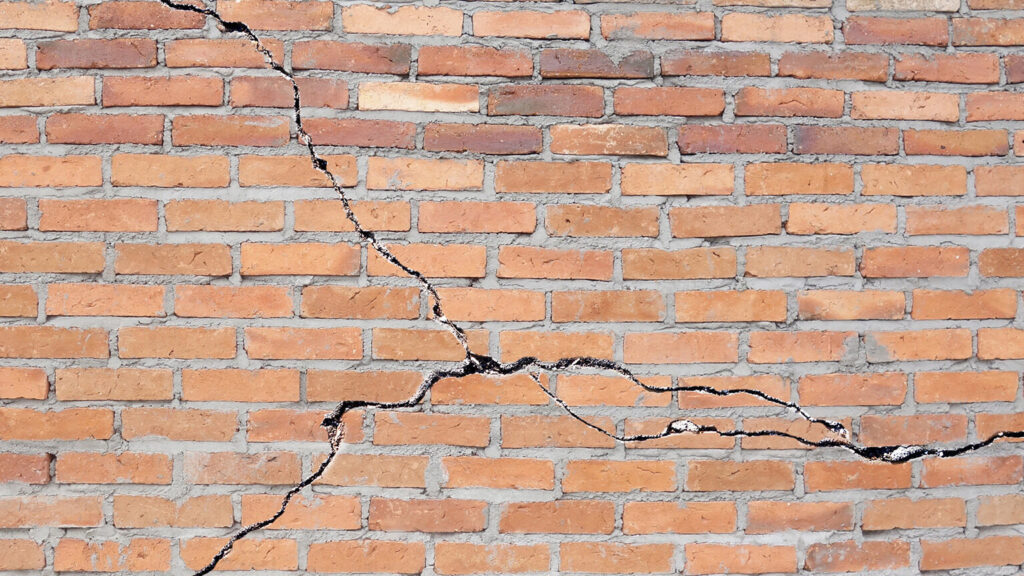
Many DC homes have basements or English basements that were finished long after the house was built. When you see lines spreading across the concrete or block behind finished walls, or in exposed storage areas, it can be a sign that the foundation is moving. Long horizontal cracks, stair-step patterns in the block wall, or vertical cracks that grow over time all point to shifting support or soil pressure along the outside of the wall.
Small cracks inside the home can tell you a lot about what is happening below. You might notice a crack in the drywall running out from the corner of a doorway, a line starting above a window, or a joint in the ceiling that keeps reopening after you paint it. In Washington, DC rowhomes and townhouses, where walls are tied together tightly, these interior changes often mean one part of the structure has begun to settle differently than the rest.
If you walk across a room and feel yourself drifting to one side, or you notice a dip where two rooms meet, the floor framing may be reacting to movement in the foundation. In older DC homes, especially those with long spans of wood joists or past alterations, settlement under key support points can leave floors sagging, cupped, or ridged. Furniture that will not sit flat or gaps that open under baseboards are common clues.
Changes in how doors and windows operate are one of the easiest signs for homeowners to spot. A front door that used to latch cleanly starts rubbing the frame. An upstairs door swings open on its own. Windows that once slid freely now jam halfway. In the tight framing of a Washington, DC rowhouse, even modest movement in the foundation can shift openings out of square, and the hardware begins to tell on the structure.
Outside, problems often show up in the brick, stone, or stucco first. You may see stair-step cracks in the side wall that faces the alley, gaps where the foundation meets the wall at the rear, or separation at a small concrete stoop. Additions at the back of the home, which are often supported differently from the original structure, may pull away or crack where they tie in. These exterior signs suggest the soil is moving or washing out beneath certain sections of the house.
Many Washington, DC houses have tall masonry chimneys that rise above the roofline. When the footing under a chimney settles or shifts, it can start to move on its own. A chimney that looks like it is tilting away from the building, or one that has a visible crack where it meets the wall, should be taken seriously. This kind of movement can point to a problem with the foundation under the chimney that a foundation repair company needs to evaluate.
In some basements, the wall itself starts to change shape. You might see a section that bulges inward, mortar joints that do not line up the way they used to, or a wall that leans slightly toward the interior. This can happen when water and soil press against the outside of the wall for years with no relief. In Washington, DC, where homes often sit close to neighboring structures and alleys, drainage has a big impact on how this pressure builds. Walls that are bowing or tilting should always be checked quickly by a foundation repair contractor.
Foundations in Washington, DC support a wide range of structures: long rows of attached brick houses, narrow townhomes, single-family homes on deeper lots, and additions that were built long after the original footprint. Many of these buildings share walls, sit close to alleys, and have limited access around the perimeter. Our foundation repair company plans repairs with all of that in mind. When a foundation repair contractor from ’58 Foundations & Waterproofing visits your DC home, they look at how the house is tied into its neighbors, where weight is being carried, and how water and soil are affecting specific sections of the foundation.
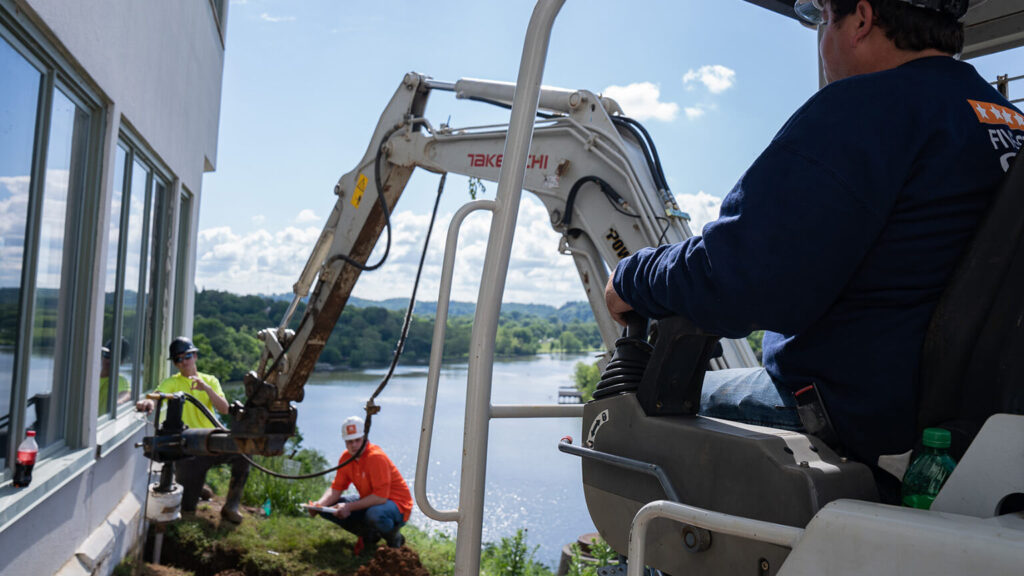
Helical piers are steel supports that are screwed into the ground until they reach soil that can reliably carry the load of the structure. In Washington, DC, they are often used under settled corners, rear additions, or portions of a home that were built over backfilled areas. Because the equipment can work in tight spaces, helical piers are a good option behind rowhomes, alongside yards, and in small back gardens where access is limited.
Push piers are driven straight down along the footing until they reach a firm bearing layer. Once the pier is locked in and attached to the foundation, it can be used to support and, in some cases, lift the structure back to position. For heavier brick or stone houses in DC, or buildings that show more pronounced settlement, push piers provide a way to reach deeper, more consistent soils beneath the disturbed layers closer to the surface.
When a basement or lower-level wall has cracking or the early stages of inward movement, carbon fiber reinforcement can add strength without taking up much floor space. Straps are bonded to the wall at set intervals and tied into the structure. In Washington, DC, where basements are often used as living space or rental units and where stairways and hallways are already narrow, carbon fiber allows us to strengthen walls with minimal impact on how the space is used.
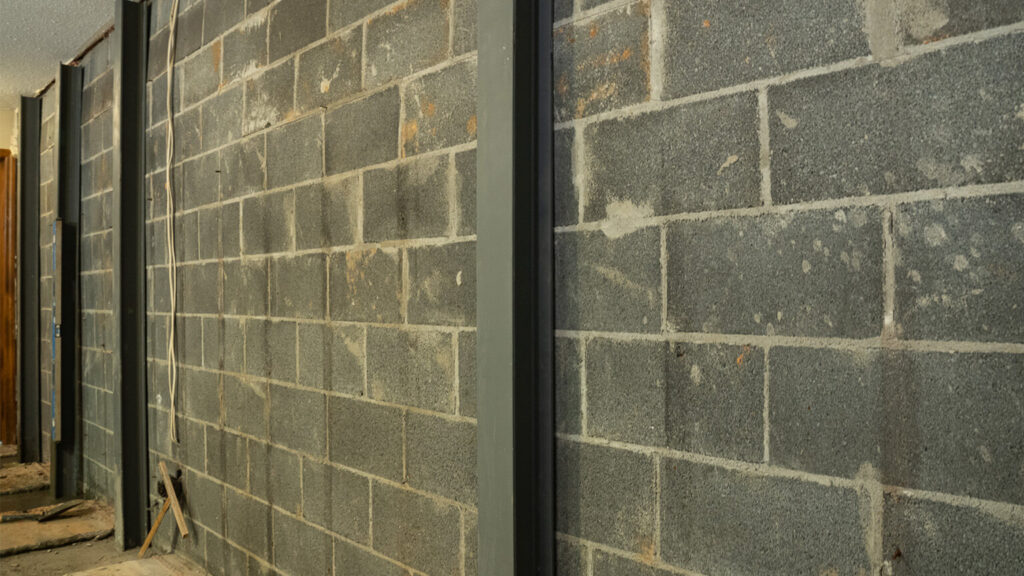
If a wall has moved further or has been under pressure for many years, steel I-beams may be recommended. Beams are installed along the inside face of the wall and secured at the top and bottom to help hold it in place. In older DC basements with long straight runs of masonry, or in homes where one side of the foundation faces a higher yard or retaining wall, I-beams offer visible, structural bracing that helps protect the living areas above.
When a wall is leaning inward or bowing toward the interior, helical tieback anchors can be used to pull it back toward a better position and anchor it into stable soils outside. The anchors pass through the wall and are driven outward, then tensioned and fastened to interior hardware. This type of repair is common in Washington, DC basements where exterior grading directs water toward one side of the house, or where a neighbor’s yard sits higher than the foundation.
Many Washington, DC homes have floors that have been carrying weight for decades, and in some cases have been altered by past renovations. When beams, joists, or support posts are affected by settlement or moisture, floors can dip, bounce, or tilt. Floor stabilizers are installed beneath key points in the framing to add support and bring the flooring closer to level. This is often useful in rowhomes with long front-to-back rooms or in houses where interior walls were moved, but the original framing was never adjusted.
Some foundation walls are too damaged or too far out of position to rely on reinforcement alone. In those cases, partial or full wall replacement may be the right option. The structure above is supported, the failing section is carefully removed, and a new wall is constructed with appropriate reinforcement and drainage considerations. In Washington, DC, this approach is sometimes needed where older masonry has been weakened by years of water intrusion along alleys or side yards, or where past repairs were not done correctly.
In a city where space is at a premium, many homeowners look to their basement or lower level for additional living area. Basement floor-lowering and dig-out projects can create more headroom and usable space, but they must be planned around the existing foundation and neighboring structures. Our contractors evaluate how the foundation is built, where interior and party walls are bearing, and how close nearby buildings and utilities are before any soil is removed. The goal is to improve the space without putting the foundation at risk.
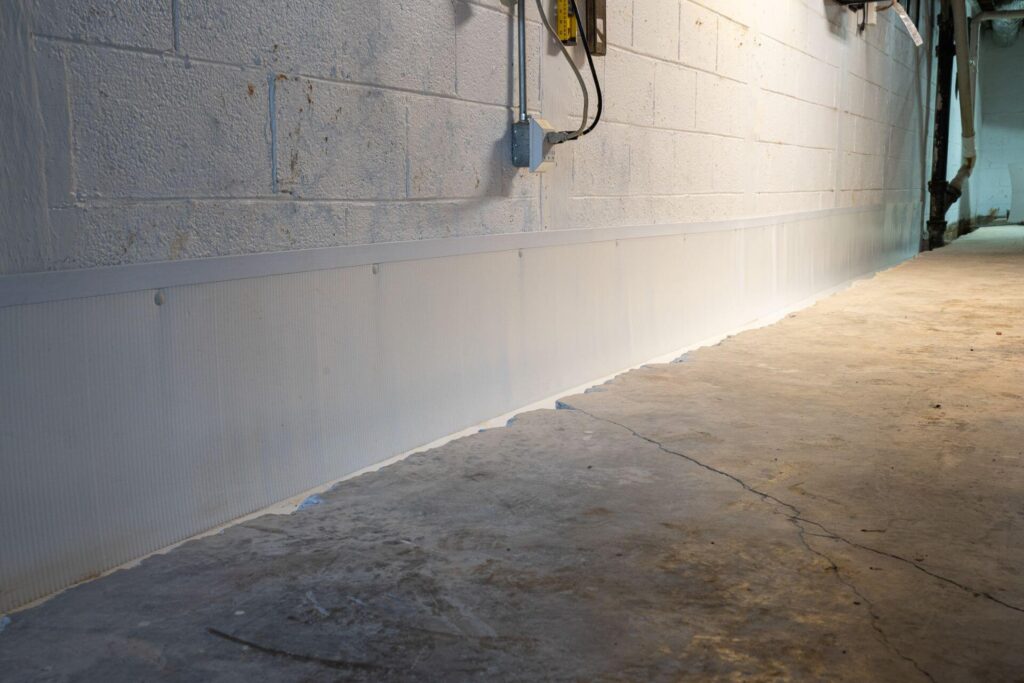
Cracks in concrete floors and walls are common in Washington, DC basements, especially in older buildings and lower-level apartments. Left alone, these openings can widen and give water a direct path into the home. We clean and repair cracks with carbon fiber floor stitches that bond to the concrete and allow for small movements. For longer or more active slab cracks, carbon fiber floor stitches can be installed across the crack to tie both sides together. This helps keep the floor acting as one piece and reduces the chance that the crack will reopen.
All of this work is carried out by trained crews and supported by our Lifetime TotalCare Maintenance Program, which includes lifetime warranty coverage on covered systems, product protection, and ongoing service support. When you look for a foundation repair company “near me” in Washington, DC, ’58 Foundations & Waterproofing is prepared to explain the options, outline foundation repair cost, and recommend repairs that fit the way your home is built and where it sits in the city.
Learn more about our Foundation Repair Services.»
When a section of a Washington, DC home starts to sink or pull away, you feel it in more than just a crack or a sticky door. Floors tilt, brick lines go out of level, and additions may begin to separate at the joints. With many DC houses sitting on older foundations, filled ground, or small footings at the rear, this kind of movement is one of the main long-term threats to a stable structure.
Foundation piers give those homes a new way to bear weight. Instead of letting the house rely on shallow soils that have been disturbed, regraded, or washed out over time, piers carry the load down to deeper layers that can support it. Once installed, a properly designed pier system can limit further settlement and, in many cases, allow settled areas of the foundation to be brought closer to their intended position.
Foundation piers are structural supports installed beneath the footing to give a home a steadier base. A foundation repair contractor uses them to connect the structure to stronger soil deeper in the ground, especially where the upper layers have become unreliable.
At ’58 Foundations & Waterproofing, our foundation repair company typically uses two main pier systems for Washington, DC homes:
Helical piers use steel shafts with helical plates that are turned into the ground with specialized equipment. They advance through the weaker upper soils until they reach a level that offers consistent resistance. Helical piers are a practical choice in tight DC backyards and alongside yards, where access is limited but precise placement is important.
Push piers are steel sections that are driven straight down alongside the footing until they reach firm bearing soils. The weight of the structure is then shifted onto the pier brackets. Push piers are often selected for heavier masonry houses or for foundations that have dropped more significantly, such as older brick homes that have been settling for many years.
The number, spacing, and type of piers are based on how the home is built, how it is moving, and what the soil conditions are at different depths. When designed correctly, the pier system becomes a long-term support that is far less sensitive to seasonal surface changes.
Washington, DC has layers of history under its streets and houses. Many foundations rest on ground that has been cut, filled, or reshaped for utilities, alleys, and street work. Add in heavy rains, runoff toward low spots, and aging masonry, and it is easy to understand why some parts of a home begin to drift out of level before others.
Foundation piers help protect DC homes by:
From older brick rowhouses close to the city center to homes on deeper lots farther out, Washington, DC homeowners rely on pier systems as a way to give their foundations a stronger footing beneath the shifting ground.
Foundation repair cost in Washington, DC is different for every home. The price depends on what is causing the problem, how far the damage has progressed, and which repair methods are needed to stabilize the structure. In some houses, focused work like crack repair or localized wall reinforcement is enough. Other properties call for pier systems, wall replacement, or a combination of solutions to address settlement and structural strain.
At ’58 Foundations & Waterproofing, a foundation repair contractor inspects your DC home before talking numbers. We look at how the building is performing, how the foundation was built, and how the soils and drainage are affecting it. Your proposal is built around those findings so the foundation repair cost reflects the work your home actually requires, instead of a generic package from a company that does not know your property.
Factors That Affect Foundation Repair Cost:
We focus on the repairs your home truly needs. We do not add systems that do not address a real problem just to increase the cost.
What You Can Expect
We offer free foundation inspections for homeowners in Washington, DC and nearby communities. After a complete evaluation, you receive a written proposal that includes:
You get straightforward information from a Certified Foundation Specialist and a local foundation repair company that you can find when you search for help in the DC area.
Foundation work in Washington, DC is rarely simple. Tight lots, shared walls, English basements, and layers of past repairs all come into play when a home begins to move. ’58 Foundations & Waterproofing has been working with challenging foundations for more than 65 years, and our team understands what that looks like in DC rowhomes, townhouses, and single-family houses. When you call us, you are working with a foundation repair company that reads the house in front of them instead of treating it like any other market.
When a Certified Foundation Specialist visits your property, they take time to walk the inside and outside of the home, listen to your concerns, and explain what they see in clear, direct language. You will know which parts of the structure matter most, which repair methods make sense, and what the foundation repair cost will look like before any work begins. There is room to ask questions, compare options, and feel out what is right for your family and your budget, without pressure.
Homeowners in Washington, DC choose ’58 Foundations & Waterproofing because they want a foundation repair contractor who will be present after the installation as well. Our Lifetime TotalCare Maintenance Program, with lifetime warranty protection on covered systems, product coverage, and ongoing service support, is built to keep your repairs performing year after year. Whether you found us while searching for a foundation repair company or were referred by a neighbor, our goal is the same: protect your home, respect your time, and leave you with a structure you can feel confident in.

If you are seeing cracks in your walls, changes in your floors, or doors and windows that no longer behave the way they used to, it is worth finding out what is happening at the foundation. Problems that start small in a Washington, DC home can grow as seasons change and the building continues to shift.
Washington DC Basement Waterproofing
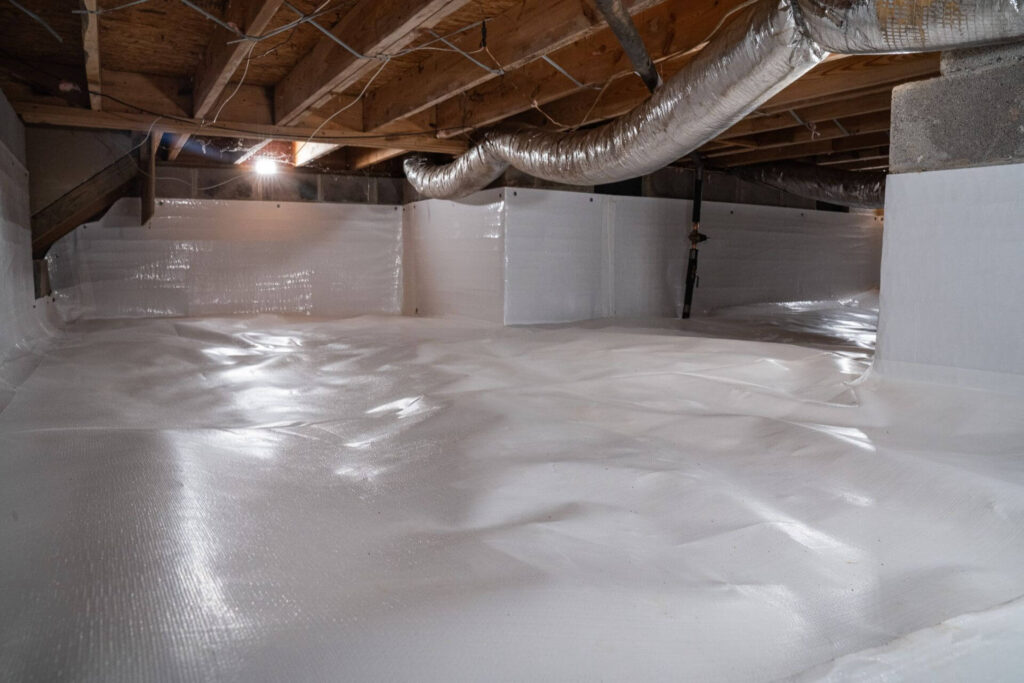
Washington DC Crawl Space Encapsulation
We respect your privacy. By submitting, you authorize '58 Foundations and Waterproofing to reach you via call, email or text for information about your project needs. We will never share your personal information with third parties for marketing purposes. You can opt out at any time. Message/data rates may apply. Consent is not a condition of purchase. Privacy Policy